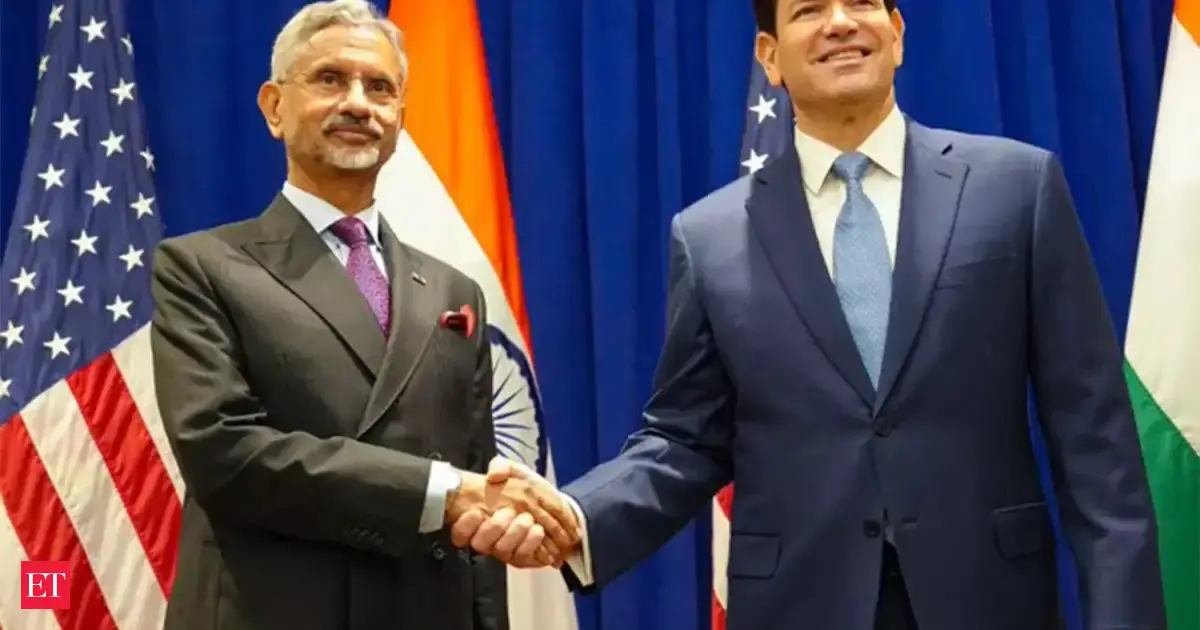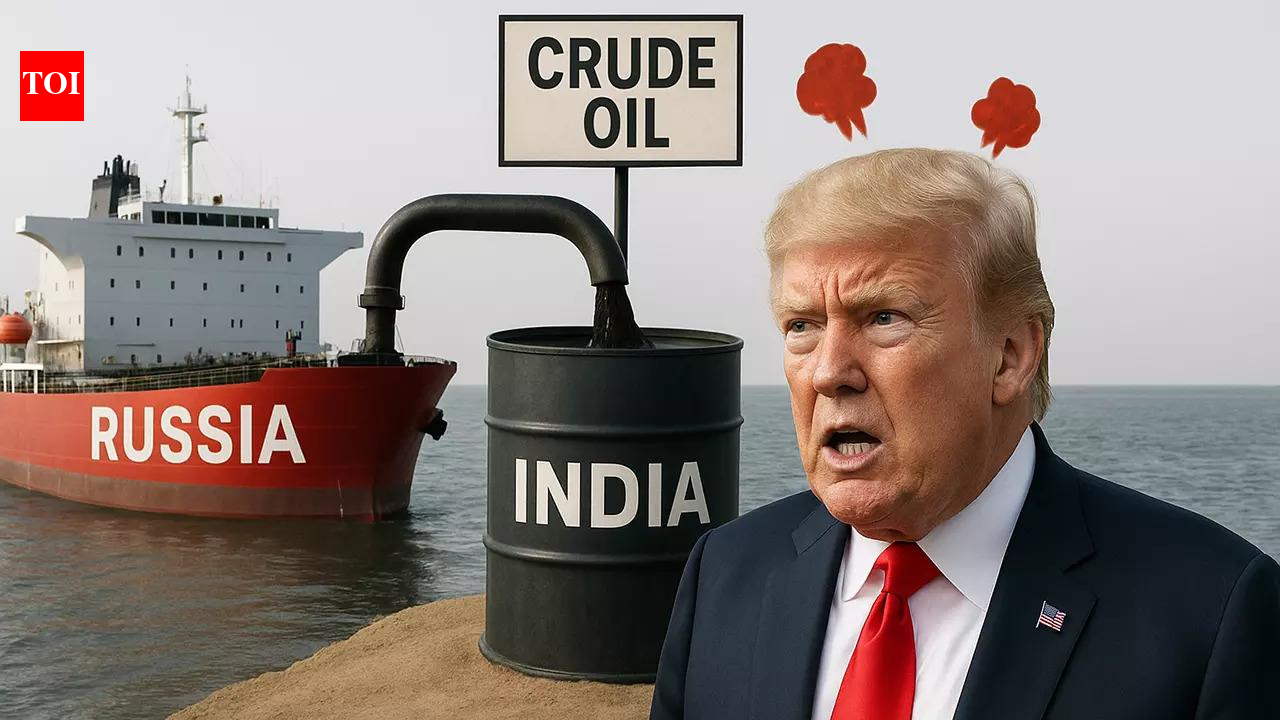
The United States, under the leadership of Secretary of State Marco Rubio, has renewed its pressure on India regarding the importation of Russian oil. This development was highlighted during a recent Senate Foreign Relations Committee hearing, where Rubio emphasized the need to end sanctions waivers that have allowed countries like India to continue these imports.
US-India Trade Relations
Since the Russian invasion of Ukraine in 2022, the US has oscillated between condemning and tolerating India's purchases of discounted Russian crude. Initially, these imports were seen as a stabilizing force in global energy markets, preventing a spike in energy prices. However, the US now seeks to tighten restrictions, arguing that Russian oil revenues fund Moscow's military activities.
- US Position: Sanctions aim to constrain Russia's war efforts.
- India's Stance: Energy procurement is driven by national interest and energy security.
Strategic Autonomy
India, a nation of 1.4 billion people, asserts its right to secure affordable energy supplies. Indian leaders have consistently invoked "strategic autonomy," resisting foreign influence over their energy decisions.
"No foreign power should dictate India's commercial energy choices," Indian officials argue.
The China Factor
Complicating the issue is the role of China, a major buyer of Russian energy. Critics in India note that the US has been more cautious in imposing sanctions on China, given its economic leverage over the US, particularly in rare earths.
Comparative Data
| Country | Russian Oil Imports | US Sanctions Pressure |
|---|---|---|
| India | High | Increasing |
| China | Higher | Cautious |
The ongoing debate raises questions about the extent of US influence over India's energy policies and the broader implications for international trade dynamics.