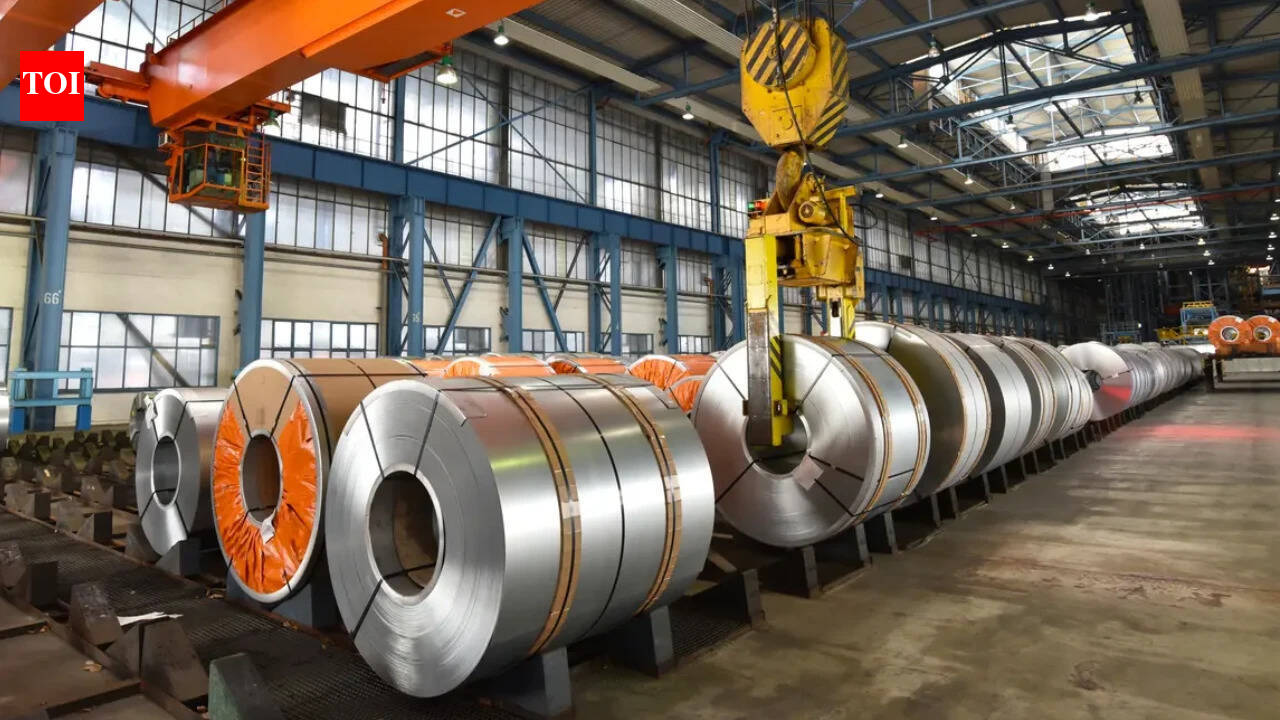
India on Wednesday formally rejected allegations of surplus capacity in its textiles and steel sectors, telling the U.S. Trade Representative (USTR) that per capita consumption of these products in the country remains among the lowest in the world. The response comes as the USTR investigates acts, policies, and practices of 16 economies — including India — under Section 301 of the Trade Act of 1974, focusing on structural excess capacity and production in manufacturing.
USTR Section 301 Probe Background
The USTR launched the investigation to examine whether certain countries maintain structural excess capacity in key industries, distorting global markets. India is one of 16 economies targeted, though the USTR notice did not name all respondents in the initial announcement. According to the Indian government, the probe lacks a concrete rationale.
India's Official Response
In its submission to the USTR, India stated that the notice "has not provided cogent rationale or prima facie evidence to substantiate its allegation that India has structural excess capacity in its major industries." The government emphasized that domestic consumption levels for textiles and steel are low, making overcapacity claims implausible.
Amitabh Kumar, Director General of Trade Remedies (DGTR), went further, arguing that overcapacity is not a concept recognized under any trade remedial laws within the World Trade Organization (WTO) framework. He called the overcapacity narrative "a new narrative" whose objective is "to target a particular country."
"Overcapacity has not come under any of the trade remedial laws in the WTO framework and it is a new narrative and the objective is to target a particular country." — Amitabh Kumar, DGTR
Per Capita Consumption Argument
India’s defense hinges on low per capita consumption of steel and textiles. While global overcapacity concerns — particularly in steel — have led to antidumping and countervailing duties in the U.S. and Europe, Indian officials argue that rising domestic demand will absorb future production growth. Data on specific per capita figures was not provided in the Indian submission as cited in the report.
Implications for Trade and Industry
For international trade executives and policy analysts, the USTR’s Section 301 probe could lead to tariffs or other trade restrictions if the U.S. finds that India’s policies contribute to global overcapacity. However, India’s formal rebuttal signals a willingness to contest the allegations at the WTO level.
Key points for importers and exporters:
- Textiles: India is a major exporter of cotton textiles and garments; any Section 301 action could raise costs for U.S. importers.
- Steel: Indian steel exports have grown in recent years; the U.S. already applies Section 232 tariffs on steel, and additional Section 301 duties would compound restrictions.
- Timeline: The USTR investigation is ongoing; no deadline for a final determination has been announced. Companies should monitor Federal Register notices for updates.
Customs brokers and logistics providers should prepare for potential classification changes if the USTR imposes new duties. The DGTR’s rejection of the overcapacity claim may lead to a WTO dispute if the U.S. proceeds with trade action.
What to Watch
The next key milestone is the USTR’s issuance of a preliminary report or proposed actions, likely within 12 months. Industry associations in both India and the U.S. are expected to file comments in the proceeding.
Sources: