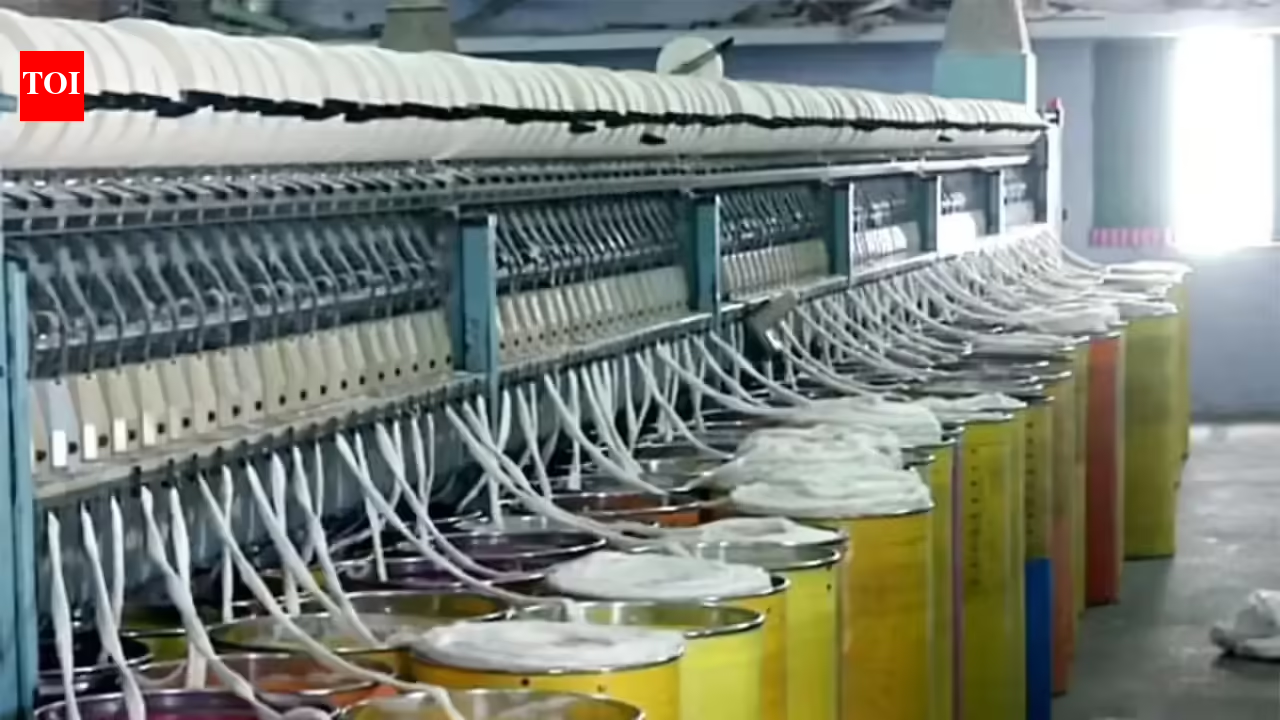
India has announced a significant policy shift by granting a five-month duty exemption on all cotton imports, effective from June 1 to October 31, 2026. This strategic move is designed to stabilize cotton prices and support the domestic textile industry, which is a major player in the country's export sector.
Impact on the Textile Industry
The duty relief is expected to lower input costs across the textile and apparel sectors. According to the Finance Ministry, this measure will provide targeted relief to manufacturers and consumers while safeguarding the interests of domestic farmers. The Textile Ministry emphasized that the exemption will ensure adequate cotton availability, supporting Micro, Small, and Medium Enterprises (MSMEs) and enhancing the competitiveness of Indian textiles.
"This timely intervention will also help the apparel industry retain its export competitiveness in cotton-based products," said Mithileshwar Thakur, Secretary General of the Apparel Export Promotion Council.
Industry Reactions
The Confederation of Indian Textiles Industry (CITI) welcomed the decision, noting that the previous 11% import duty was a significant barrier compared to major Asian competitors who have duty-free access to cotton. Ashwin Chandran, CITI Chairman, stated that cotton imports are driven by quality and specification needs, catering to specialized requirements without displacing domestic cotton.
Comparative Analysis
| Aspect | Before Duty Relief | After Duty Relief |
|---|---|---|
| Import Duty on Cotton | 11% | 0% |
| Duration | Permanent | June 1 - Oct 31, 2026 |
The duty relief, implemented during the cotton off-season, is anticipated to have a positive impact on the performance of the domestic textile industry, especially benefiting small and medium enterprises.
Future Outlook
The policy is expected to moderate cotton prices, thus reducing input costs across the textile and apparel sectors. This move aligns with India's broader strategy to enhance its export competitiveness and ensure market stability.
The decision underscores India's commitment to supporting its textile industry, which relies heavily on cotton as a primary input. The temporary duty exemption is a strategic response to the industry's demands for adequate supply at reasonable costs.