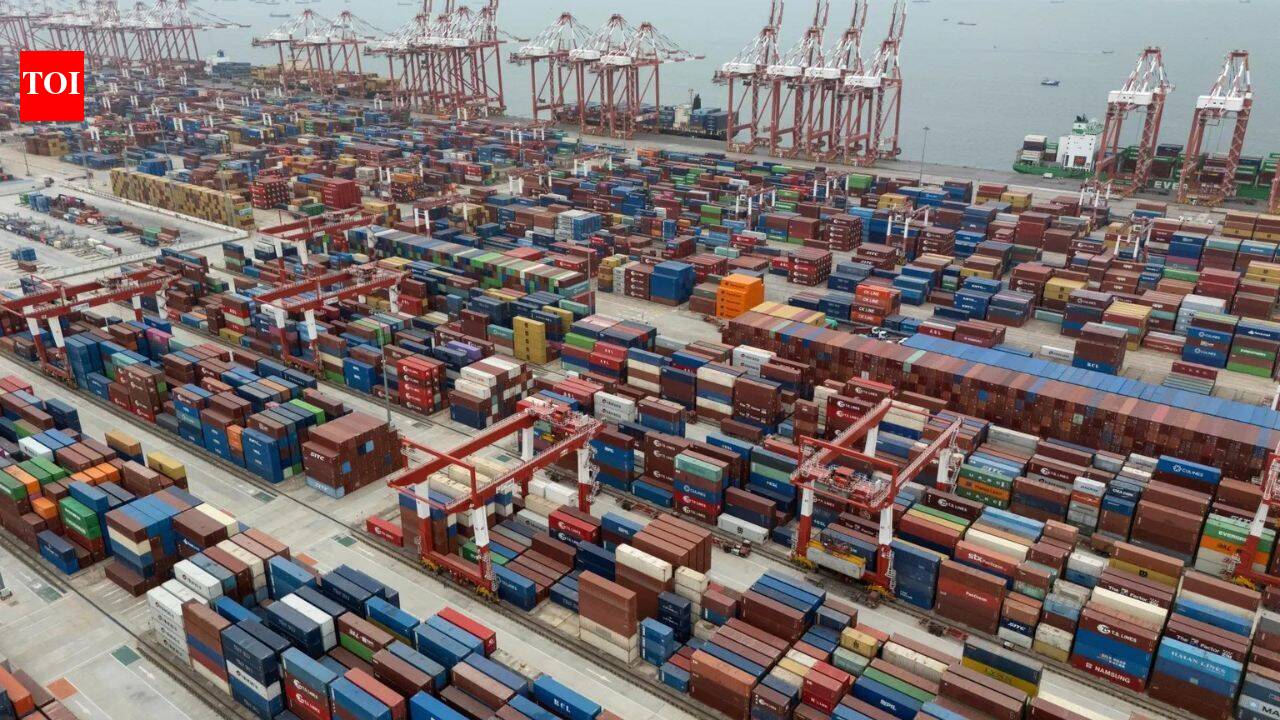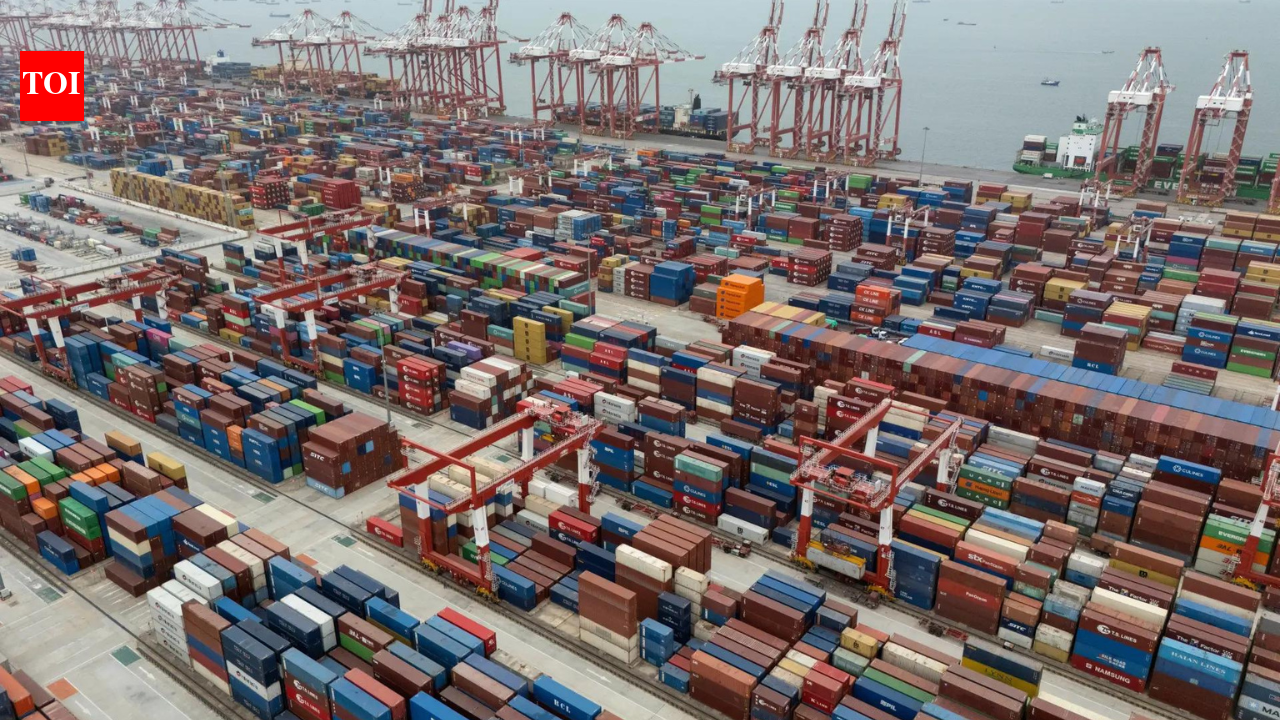
The Trump administration on Thursday imposed new tariffs of 10 per cent and 12.5 per cent on imports from 60 economies, including India, under Section 301 of the Trade Act of 1974, citing inadequate enforcement against forced labour in global supply chains. According to the Office of the US Trade Representative (USTR), the duties will take effect at 12.01 am EDT on Friday, July 3, 2026, replacing the temporary 10 per cent global tariff that expires simultaneously. Goods already in transit will remain exempt until July 28, 2026.
Tariff Framework and Country Categories
The tariffs apply in two tiers. Economies that already have adequate forced labour import bans, have committed to introducing such measures, or have adopted partial restrictions face a 10 per cent tariff. India falls into this category after recent policy changes strengthened its approach to forced labour imports. A US official told ANI that India was initially slated for 12.5 per cent, but based on productive discussions about labour practices, it received the 10 per cent rate under Section 301 of the Trade Act of 1974.
Countries in the 10% bracket include: UK, Canada, Mexico, Bangladesh, Pakistan, Malaysia, Indonesia, Cambodia, Sri Lanka, Jordan, Argentina, Ecuador, El Salvador, Guatemala, Honduras, and Trinidad and Tobago.
Economies deemed to have inadequate safeguards face a 12.5 per cent tariff. Additionally, certain products from the European Union, Japan, South Korea, Taiwan, and Switzerland will attract tariffs of either 10 per cent or 12.5 per cent.
| Tariff Rate | Countries/Economies |
|---|---|
| 10% | India, UK, Canada, Mexico, Bangladesh, Pakistan, Malaysia, Indonesia, Cambodia, Sri Lanka, Jordan, Argentina, Ecuador, El Salvador, Guatemala, Honduras, Trinidad and Tobago, plus partial EU, Japan, South Korea, Taiwan, Switzerland for specific products |
| 12.5% | Economies with inadequate safeguards, plus other products from EU, Japan, South Korea, Taiwan, Switzerland |
Official Justification and Process
US Trade Representative Jamieson Greer stated, "President Trump recognises that decades of moral suasion have not eradicated forced labour from global supply chains. The United States has had a forced labour import ban for nearly a century, and rigorously enforces it; it's well past time for our trading partners to do the same." The tariffs follow investigations that included public hearings, consultations with governments, and thousands of public comments, according to the USTR.
Exemptions and Related Actions
Several product categories are exempted from the new duties, including oil and gas, fertilisers, certain food items, goods already covered by national security tariffs on steel, aluminium, copper, and automobiles, as well as products qualifying for duty-free treatment under the US-Mexico-Canada Agreement (USMCA).
The USTR has also launched a new Section 301 investigation into 16 economies over allegations that they have overproduced goods, driving down global prices and hurting US manufacturers. This probe could lead to additional tariffs.
Background and Policy Context
The latest move marks the Trump administration's attempt to preserve its tariff agenda after the US Supreme Court struck down earlier sweeping tariffs imposed under emergency powers. The new tariffs replace a temporary 10 per cent global tariff that was set to expire.
For importers, exporters, and trade policy professionals, the bifurcated tariff structure and ongoing investigation signal heightened scrutiny of supply chain labour practices. Countries in the 10 per cent tier may seek to maintain or improve their standing, while those facing 12.5 per cent could face pressure to adopt stronger forced labour import bans. The July 28 transit exemption provides a brief window for goods already in motion.
Sources: