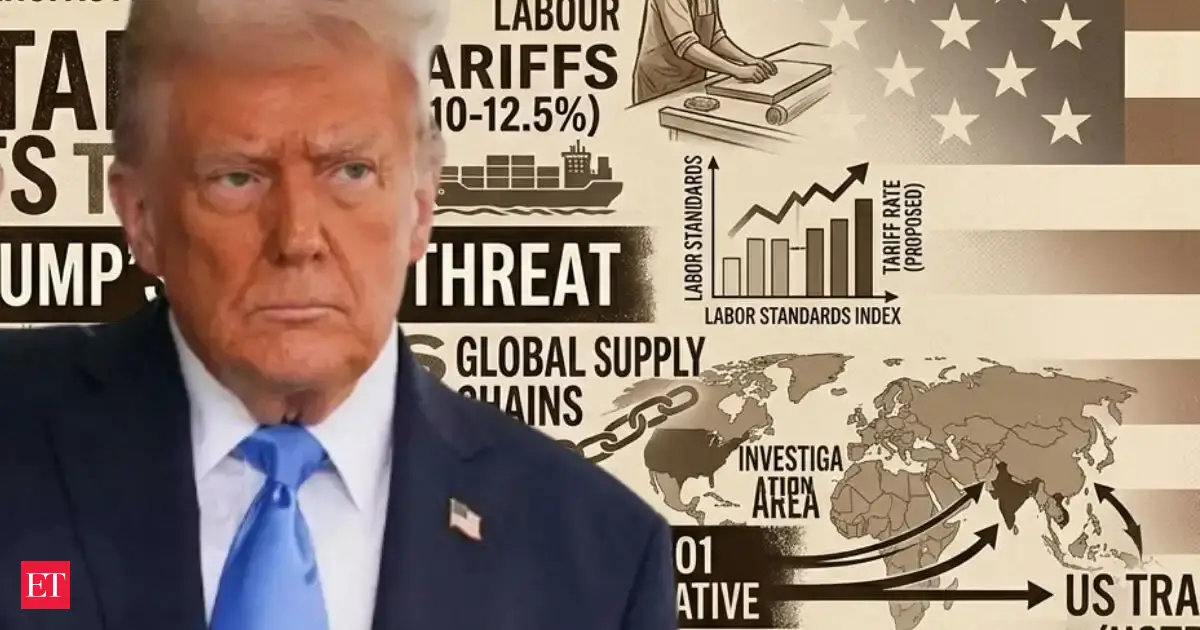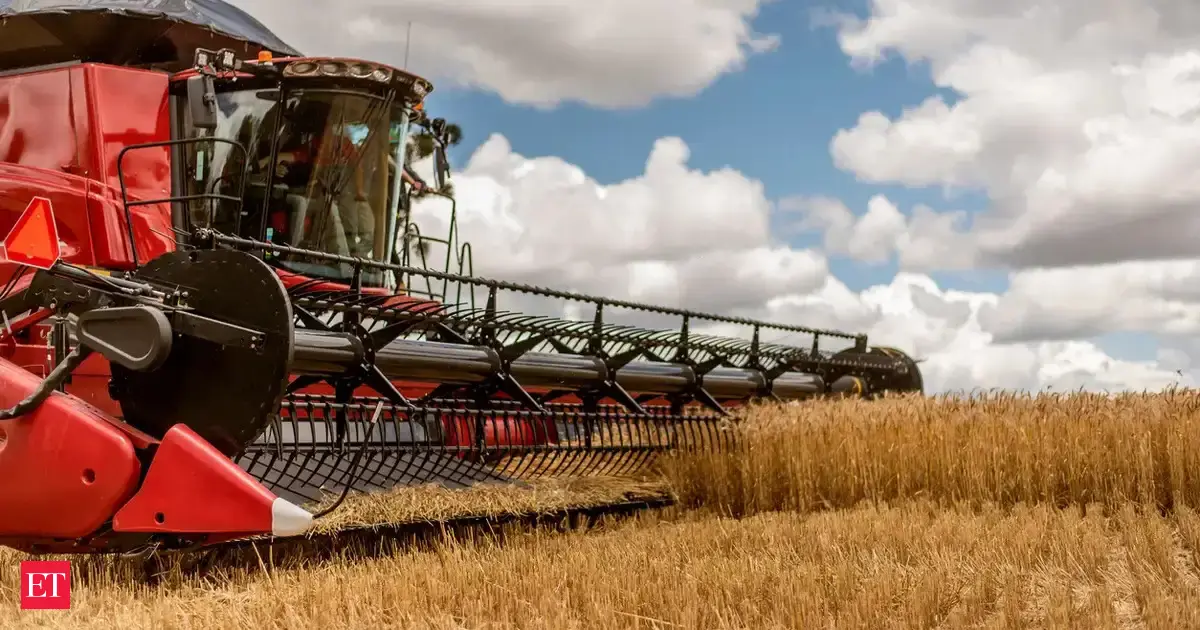
The United States has announced a significant policy shift by reducing tariffs on agricultural machines, a move aimed at easing the financial burden on American farmers and manufacturers. However, the 50% tariffs on metal imports, including steel, aluminum, and copper, will remain in place until December 31, 2027.
Tariff Adjustments
The White House proclamation, issued late Monday, outlines that products containing 15% or less imported steel, aluminum, or copper by weight will continue to be exempt from the Section 232 tariffs. This decision comes as part of ongoing trade discussions between the US and India, where Section 301 tariffs are also under review.
- Agricultural Machines: Tariffs reduced to support local farmers.
- Metal Imports: 50% tariffs remain unchanged.
- Exemptions: Products with less than 15% metal content by weight.
Impact on Trade
India, which imported approximately $2.9 billion worth of steel, aluminum, copper, and related products from the US in FY26, may see opportunities to leverage American-origin inputs for exports back to the US under the new tariff structure.
"The core issue remains unchanged as Indian exports of steel, aluminum, and copper products continue to face the punitive 50% Section 232 tariffs," said Srivastava.
Comparative Tariff Data
| Product Category | Previous Tariff | New Tariff |
|---|---|---|
| Agricultural Machines | 25% | Reduced |
| Metal Imports | 50% | 50% |
Future Prospects
The US has also proposed a new 25% punitive tariff on several imports from Brazil, citing unfair practices in digital trade and deforestation. This indicates a broader strategy of using tariffs as a tool for addressing international trade grievances.
The ongoing trade talks between the US and India, set to last three days, will further explore these tariff adjustments and their implications for bilateral trade relationships.