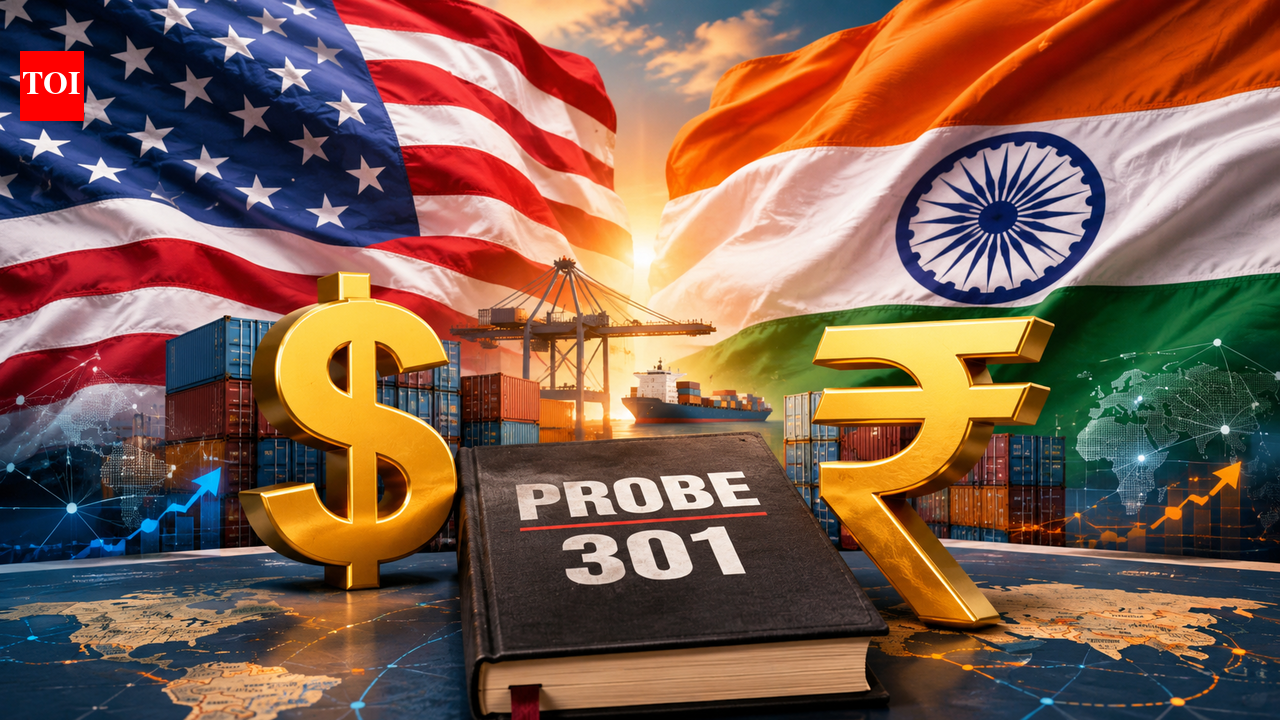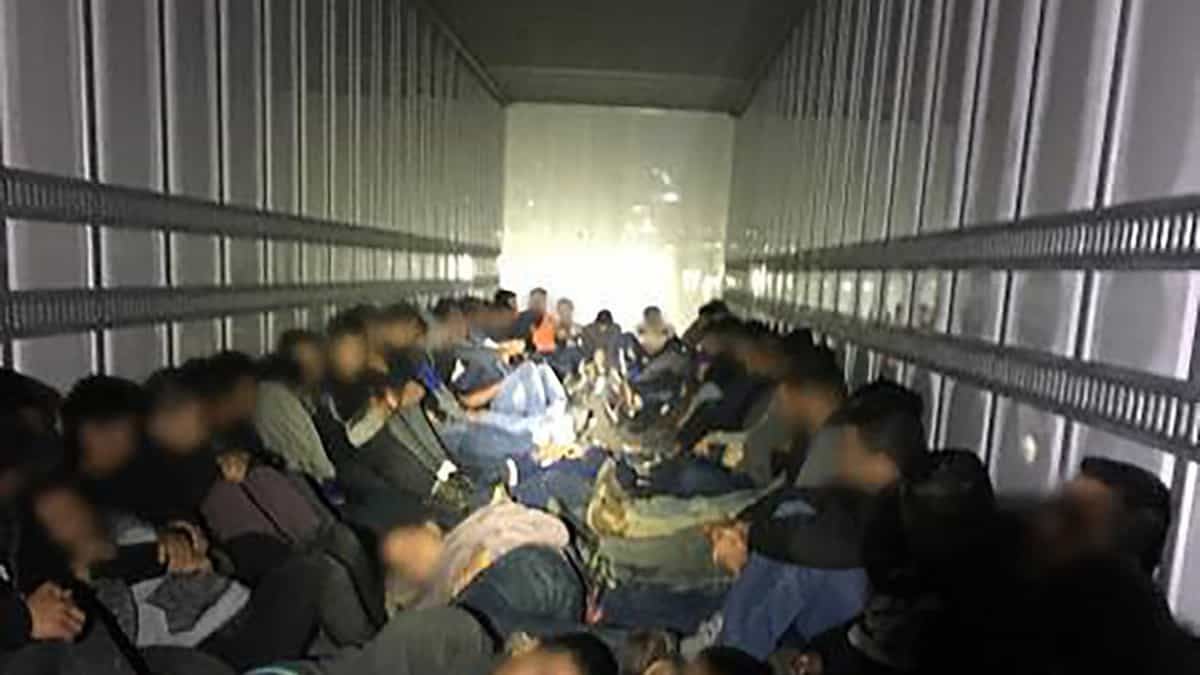
The United States is set to impose new tariffs of up to 12.5% on goods from 60 countries that have not sufficiently addressed the issue of forced labor in their export industries. This decision, announced by the United States Trade Representative (USTR), follows a Section 301 report under the Trade Act of 1974. The report highlights that these countries' failure to enforce bans on forced labor-produced goods burdens U.S. commerce.
Tariff Details
The USTR, led by Jamieson Greer, has proposed a 10% additional duty on countries that have made some efforts to combat forced labor, while a 12.5% tariff will be applied to others. This policy aims to level the playing field for American workers and businesses.
"The failure of our most important trading partners to address the importation of goods made with forced labor is unacceptable," said Jamieson Greer.
Impact on International Trade
The new tariffs are expected to affect a wide range of goods imported into the U.S., potentially altering trade dynamics and supply chains. Importers and exporters must prepare for these changes, which could increase costs and affect pricing strategies.
Enforcement and Compliance
The U.S. Customs and Border Protection (CBP) will enforce these tariffs starting from the effective date, which will be determined after a scheduled hearing on July 7. Companies involved in international trade should ensure compliance to avoid penalties.
Comparative Analysis
| Country Group | Tariff Rate |
|---|---|
| Some Measures | 10% |
| No Measures | 12.5% |
Future Developments
Stakeholders in the trade sector should monitor upcoming announcements from the USTR and CBP regarding the implementation and enforcement of these tariffs. The outcome of the July 7 hearing will be crucial in determining the final details.
This policy underscores the U.S. commitment to combating forced labor globally and protecting domestic industries from unfair competition.