The Office of the United States Trade Representative has announced a proposal to impose a 25% tariff on a range of Brazilian imports. This decision follows an investigation under Section 301 of the Trade Act of 1974 into Brazil's trade practices.
Background
The proposed tariffs are a response to what the U.S. perceives as unfair trade practices by Brazil. The investigation, initiated last year, concluded with findings that prompted this significant policy shift.
Exclusions and Replacements
The new tariffs notably exclude several critical Brazilian exports such as beef, coffee, rare earths, other metals, and aircraft parts. These exclusions are strategic, aiming to minimize disruption in sectors where the U.S. heavily relies on Brazilian imports.
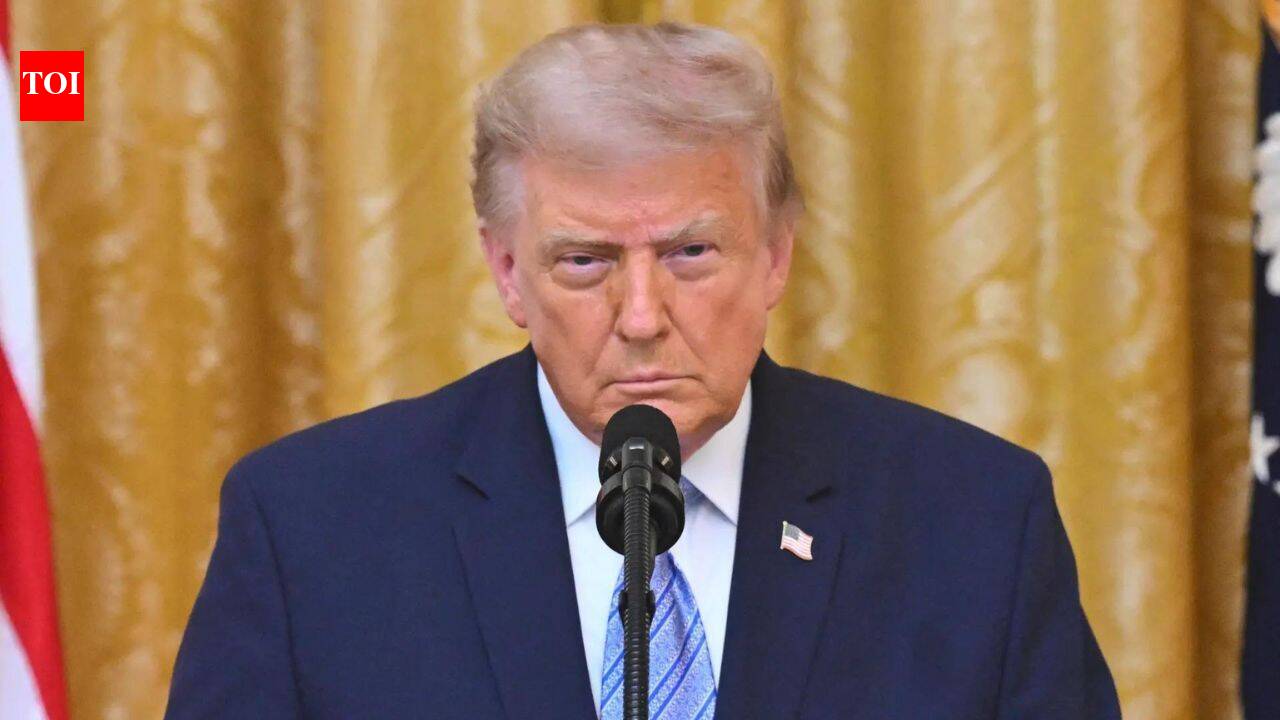
Previously, a 50% tariff was imposed on many Brazilian goods by U.S. President Donald Trump. This tariff was largely punitive, linked to Brazil's legal actions against former President Jair Bolsonaro, a Trump ally. However, the U.S. Supreme Court struck down these duties in February.
Impact and Implications
"This tariff proposal is a clear signal of the U.S.'s stance on enforcing fair trade practices," said a trade policy analyst.
The proposed 25% tariff is expected to impact bilateral trade volumes significantly. Importers and exporters are advised to prepare for potential cost increases and supply chain adjustments.
| Tariff | Previous Rate | Proposed Rate |
|---|---|---|
| General Brazilian Goods | 50% (struck down) | 25% |
Enforcement and Next Steps
The U.S. Trade Representative will oversee the implementation of these tariffs, pending further review and potential adjustments. Stakeholders in the trade sector should monitor developments closely as the situation evolves.
The effective date for these tariffs has yet to be announced, but businesses are encouraged to stay informed through official channels to mitigate any adverse effects on their operations.