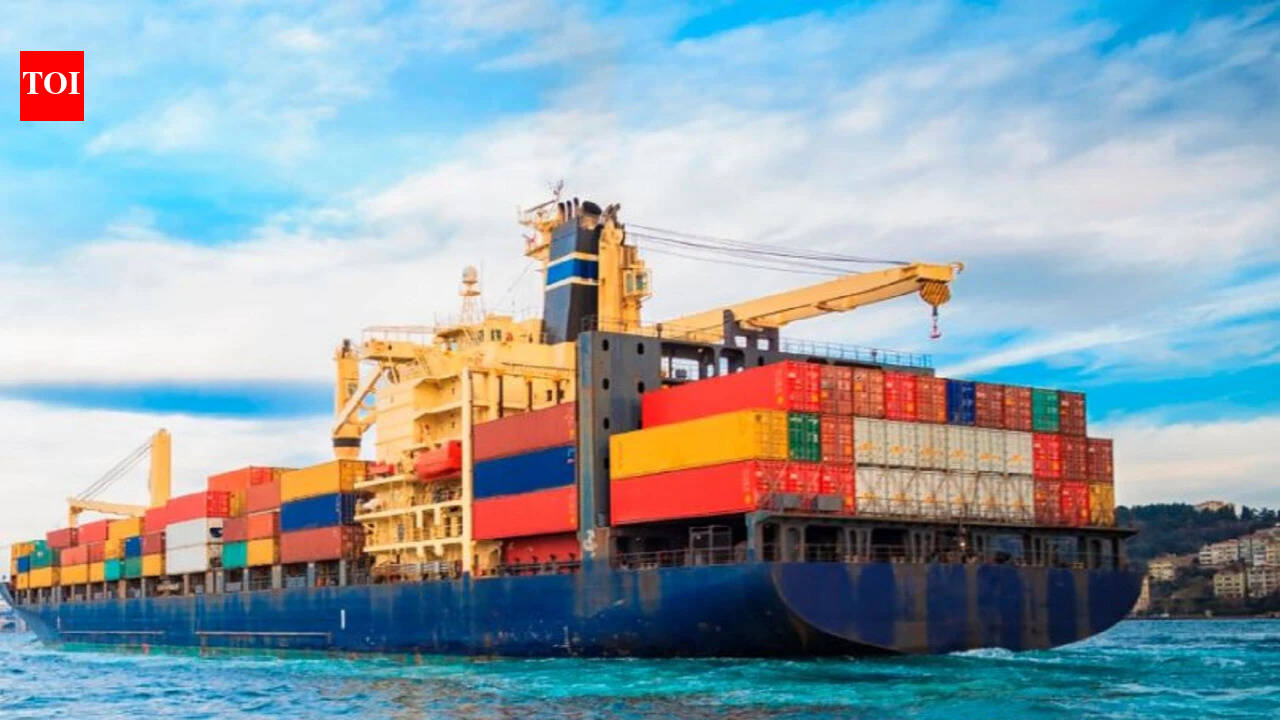
The Blue Economy is poised to become a cornerstone of India's economic strategy as the nation aims for its Viksit Bharat 2047 vision. Experts at a recent seminar organized by the Kerala University of Fisheries and Ocean Studies (KUFOS) underscored the importance of ocean-based sectors in driving economic growth and sustainability.
Strategic Importance
N. Felix, Vice Chancellor of Tamil Nadu Dr. J. Jayalalithaa Fisheries University (TNJFU), highlighted the Blue Economy's potential to contribute significantly to India's GDP and employment. He stated that ocean-based industries are expected to be key drivers of growth.
"The Blue Economy is not just about economic growth; it's about sustainable development and social inclusion," said Felix.
Collaborative Efforts
The seminar saw the signing of a Memorandum of Understanding (MoU) between KUFOS and TNJFU to enhance cooperation in research and technology development. P. Krishnan, Director of the Bay of Bengal Programme (BoBP), praised these efforts, noting the importance of technical partnerships and public-private collaborations.
Policy and Research
Experts called for a redefined research agenda focusing on fisheries and ocean sciences. Emphasis was placed on:
- Basic scientific research
- Community-centric studies
- Industry and trade-oriented initiatives
- Innovation-led development
Economic Impact
A comparative analysis of potential economic impacts:
| Sector | Contribution to GDP | Employment Potential |
|---|---|---|
| Fisheries | High | Significant |
| Marine Technology | Moderate | Growing |
| Ocean Tourism | Emerging | High |
The Blue Economy's integration into India's trade policy is expected to enhance bilateral trade relationships, particularly in the Asia-Pacific region.
Future Outlook
The conference concluded with a call for science-based policymaking and stakeholder engagement to ensure the Blue Economy's success. As India progresses towards its 2047 vision, these initiatives will be crucial in shaping a sustainable and prosperous future.