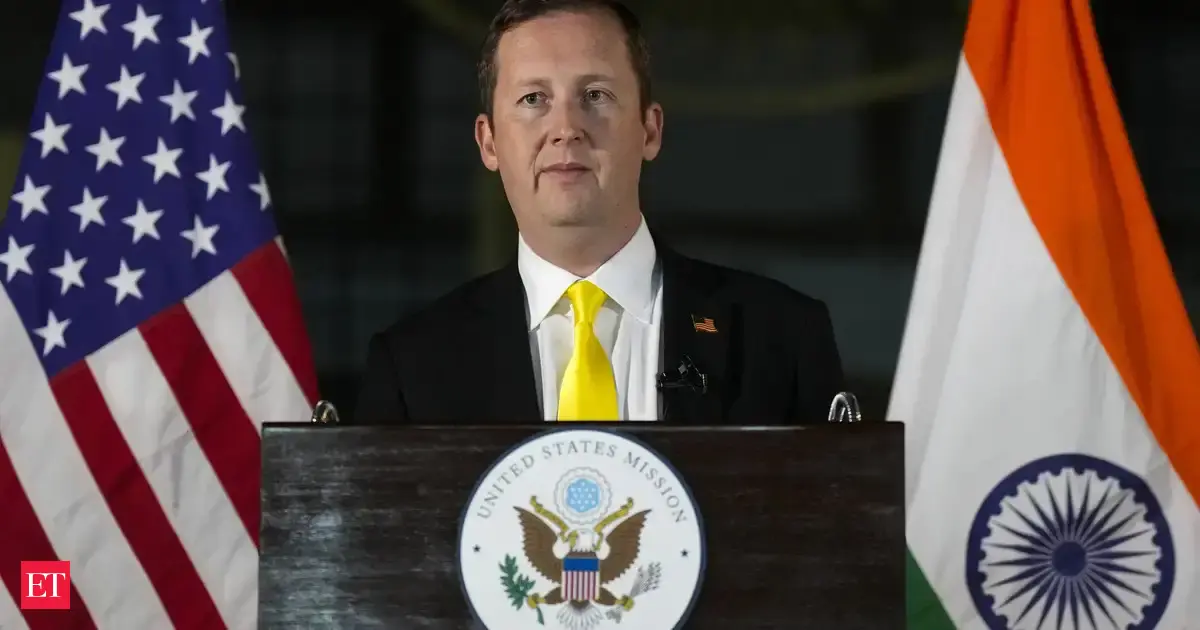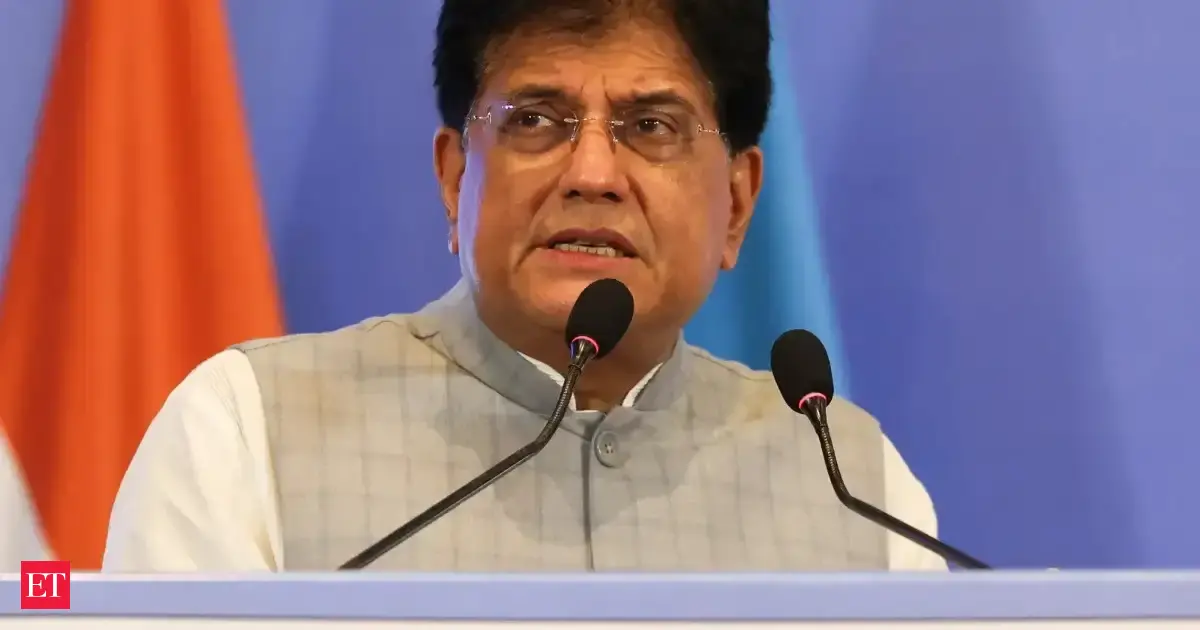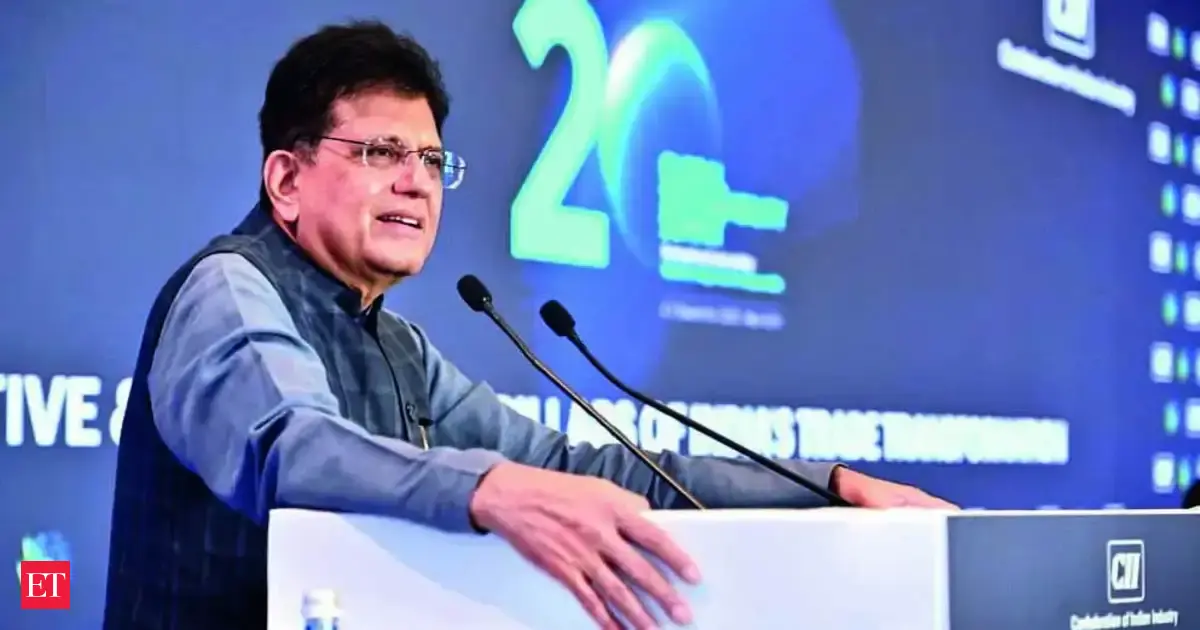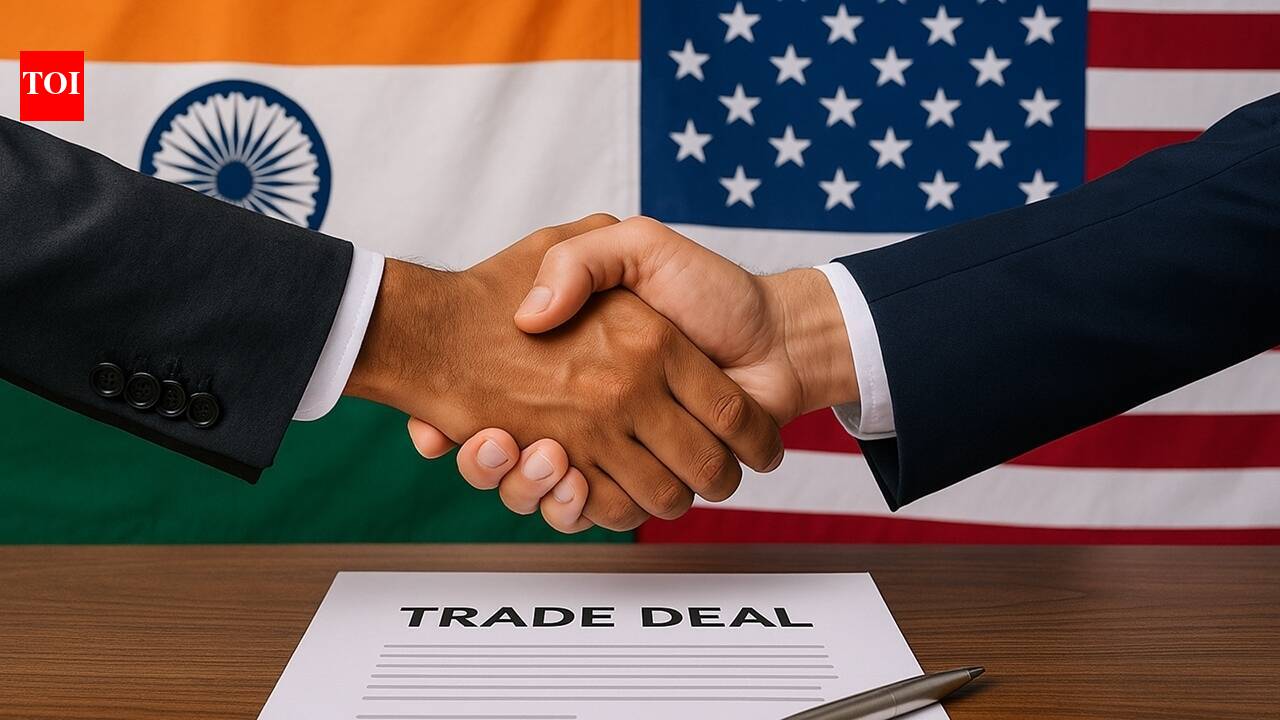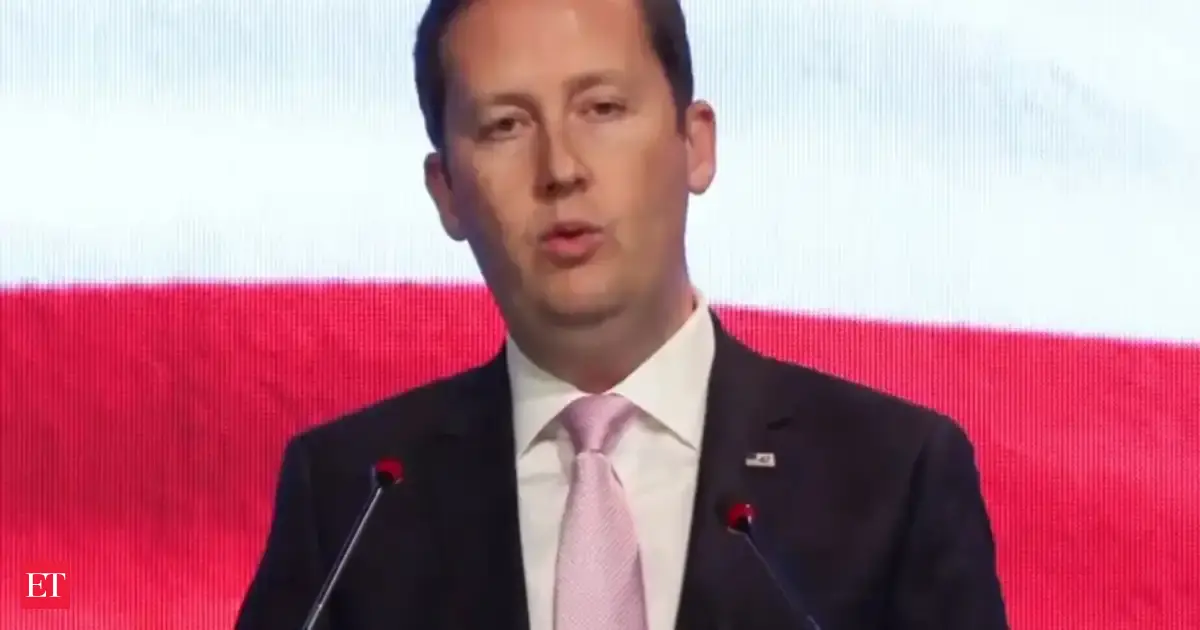
US envoy Sergio Gor is scheduled to meet with Piyush Goyal, India's Commerce Minister, on Thursday to finalize discussions on a bilateral trade agreement between the United States and India. The agreement, which is reportedly 99% complete, seeks to expand market access and strengthen economic ties between the two nations.
Key Negotiation Points
- Market Access: The trade deal aims to enhance market access for both countries, focusing on sectors such as artificial intelligence and semiconductors.
- Policy Certainty: Businesses are expected to benefit from greater policy certainty, with a focus on predictable taxation and regulatory frameworks.
- Section 301 Proceedings: India remains engaged with the US on ongoing Section 301 proceedings related to forced labor issues.
"We are on the last 1%. Ninety-nine percent of this deal is in place. The last 1% we will figure out sooner than later," said Sergio Gor.
Strategic Sectors
The trade negotiations also explore deeper collaboration in strategic sectors such as artificial intelligence and semiconductors. This is part of a broader effort to deepen economic engagement between the two countries.
Tariff and Duty Considerations
The Office of the US Trade Representative has proposed additional tariffs on imports from 54 economies, including India, under investigations examining whether countries have adequately prohibited and enforced restrictions on goods produced with forced labor.
| Aspect | Details |
|---|---|
| Market Access | Enhanced for AI and semiconductors |
| Policy Certainty | Focus on predictable taxation |
| Section 301 | Ongoing proceedings on forced labor |
Conclusion
As the two countries continue to negotiate, securing relief from potential Section 301 actions and obtaining tariff concessions remain priorities for India. The meeting between Gor and Goyal is a critical step towards finalizing the trade agreement, which could be concluded in the coming weeks.