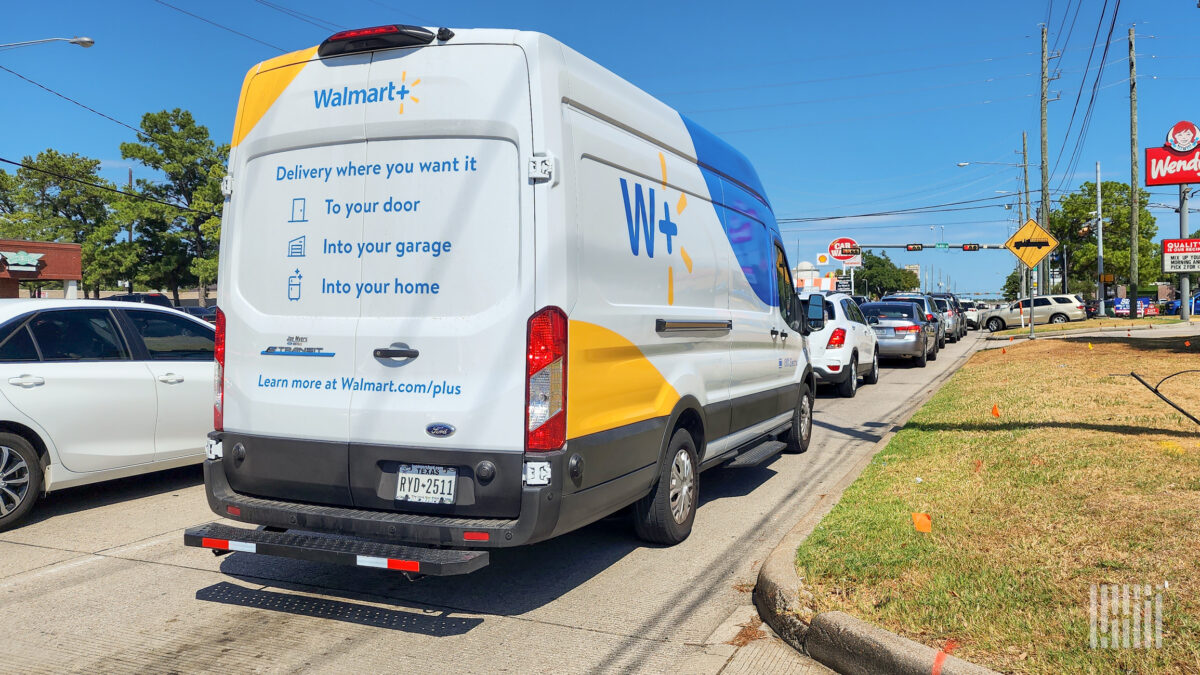
Walmart's last-mile delivery platform, Spark Driver, faces increased regulatory scrutiny after agreeing to a $13.3 million settlement with Texas over alleged deceptive pay practices, signaling potential changes in how logistics companies communicate compensation to independent contractors.
According to FreightWaves, the settlement was announced Monday by Texas Attorney General Ken Paxton. It provides approximately $6.69 million in restitution to affected Texas Spark drivers and requires Walmart to pay an equal amount in civil penalties, attorneys' fees, and costs, totaling over $13.3 million. Walmart denied any wrongdoing and said the agreement does not constitute an admission of liability.
Settlement Details
Spark is Walmart's (Nasdaq: WMT) last-mile delivery platform, connecting independent contractors with grocery and merchandise delivery opportunities from local Walmart stores and warehouses. The settlement resolves allegations dating back to at least 2021 that Walmart violated the Texas Deceptive Trade Practices Act through misleading representations about three primary compensation categories:
- Customer tips: Walmart sometimes promised drivers they would receive the full customer tip on deliveries that were later split among multiple drivers, reducing the actual amount received.
- Base pay: Walmart modified or removed deliveries from accepted batches without notifying drivers, reducing both expected tips and base pay after offers had already been accepted.
- Incentive bonuses: The company misrepresented the requirements drivers needed to meet to qualify for incentive payments.
| Settlement Component | Amount | Purpose |
|---|---|---|
| Restitution | $6.69 million | Compensation for affected Texas Spark drivers |
| Civil penalties, attorneys' fees & costs | $6.69 million (approx.) | Paid to the state of Texas |
| Total | >$13.3 million | Combined financial obligation |
Allegations and Operational Changes
The Assurance of Voluntary Compliance filed in Collin County, Texas, outlines the state's allegations and the required reforms. Under the agreement, Walmart generally cannot reduce a driver's promised earnings after an offer has been accepted except under specified circumstances such as customer-requested order changes or driver cancellations. The company also agreed:
- Not to misrepresent estimated earnings, customer tips, incentive opportunities, or other material aspects of delivery offers.
- To operate an earnings verification program designed to ensure drivers receive the compensation displayed when they accept delivery offers.
- Conduct annual assessments, document any underpayments, perform remediation, and report to Texas regulators for 10 years.
Notably, it remains unclear how many Texas Spark drivers were affected or whether any unpaid restitution remains available. Neither the settlement agreement nor the Texas Attorney General's announcement identifies the number of eligible drivers or outlines a process for drivers to determine whether they qualify for compensation.
Implications for Last-Mile Logistics
For freight forwarders, 3PL operators, and shippers relying on last-mile delivery platforms, this settlement underscores the importance of transparent compensation practices for independent contractors. The Spark Driver program is a key component of Walmart's omnichannel strategy, but the alleged practices highlight potential risks when gig-economy models are used for retail deliveries. Operators of similar platforms (such as those used by other large retailers) should review their own compensation communications to avoid similar regulatory action.
The 10-year monitoring requirement sets a precedent for ongoing oversight that could increase compliance costs for logistics technology providers. Shippers using last-mile platforms may need to verify that their partners have robust earnings verification systems in place.
Watch List
- Other state actions: The Texas settlement may encourage attorneys general in other states to investigate last-mile delivery platforms for similar practices.
- Walmart's response: The company will implement the earnings verification program; industry observers will watch for any further changes to Spark driver compensation models.
- Regulatory trends: Increased scrutiny on independent contractor classification and pay transparency could affect the broader logistics sector, particularly companies using gig-economy drivers for final-mile delivery.
Sources: