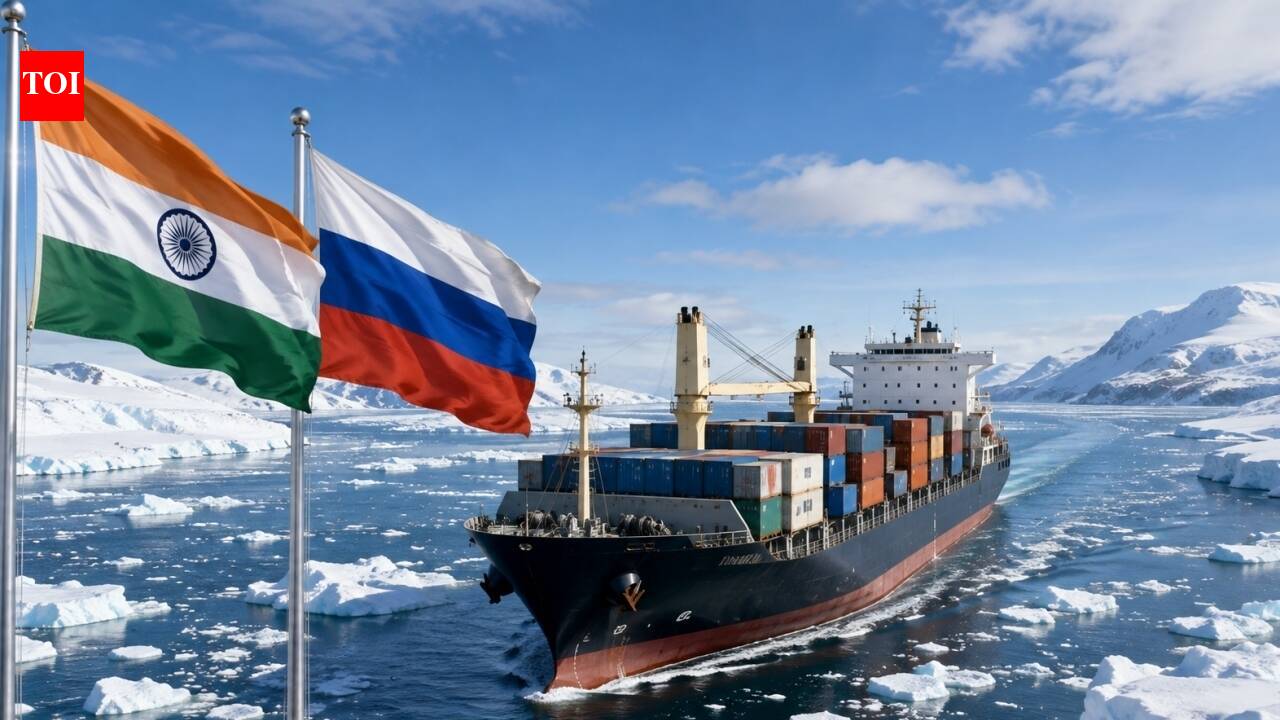
India will send its first cargo ship along the Northern Sea Route (NSR) in 2027, according to the Economic Times, a move that could cut sailing distance to eastern and northern Europe by up to 40% and save about two weeks of transit time compared with traditional routes through the Suez Canal, which is facing disruptions from the Iran war.
The plan surfaced at the Arctic – Regions Forum last week, where India was a key partner. Aleksandr Tsybulsky, governor of the Arkhangelsk region, told RT, Russia's state-funded news television network, that India sees "huge possibilities" in utilising the route. Russia's Arctic region holds large deposits of hydrocarbons including LNG, plus nickel, copper, platinum, palladium, and rare earth elements, the Economic Times reported.
The route: 5,600 km of Arctic sea passage
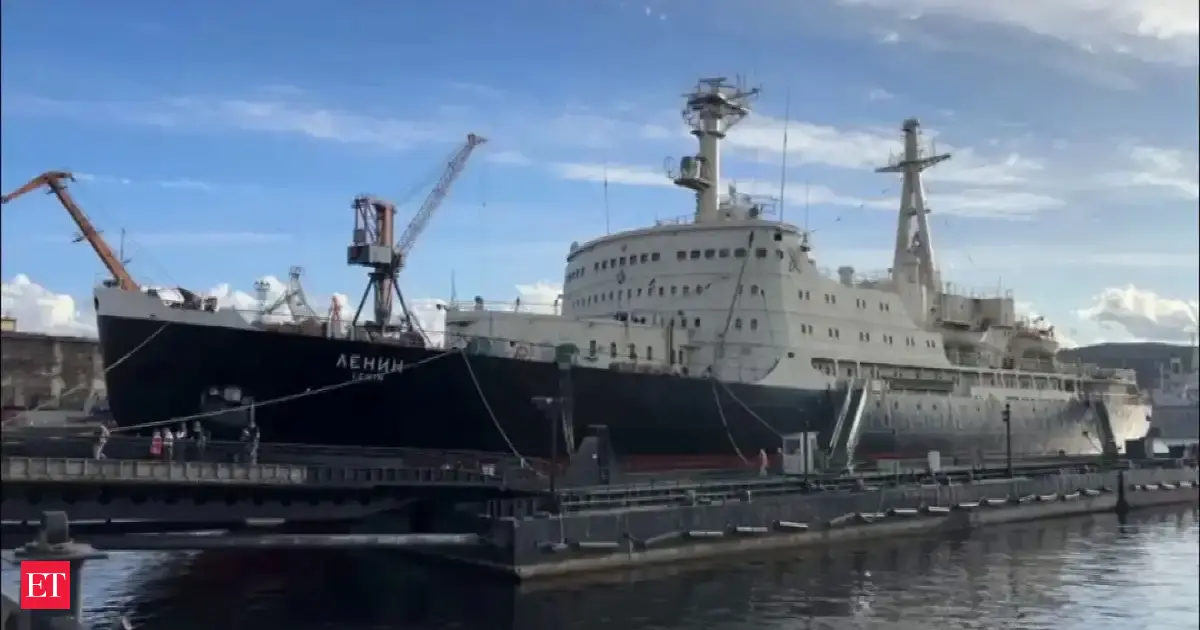
The NSR is a 5,600-km sea passage running through Russia's Arctic region, according to the Economic Times. It is covered by thick ice for most of the year, but climate change and receding sea ice are widening the annual navigation window. Specialised ice-strengthened ships are required to navigate the NSR; Russia's nuclear major Rosatom, which builds such vessels, will be signing a memorandum of understanding (MoU) with India for the route.
Arkhangelsk, located on the Northern Dvina river on Russia's Arctic coast, is a major cargo hub linked to the NSR. Tsybulsky outlined the opportunities being discussed between India and Arkhangelsk:
- Building ships for India at shipyards in the Arkhangelsk region
- Using port facilities to deliver cargo from India and to export cargo to India
- Technological options such as placing and locating production around the ports of the Arkhangelsk region
Distance and time savings vs. the Suez Canal
| Metric | NSR vs. traditional Suez Canal routes |
|---|---|
| Distance saving | Up to 40% |
| Time saving | About two weeks |
| Route length | 5,600 km |
| Navigation window | Widening due to climate change, but ice-strengthened ships required |
The NSR could save Indian vessels up to 40% in distance and about two weeks of travel time to eastern and northern Europe, compared with traditional routes through the Suez Canal, which are facing disruptions from the Iran war.
Russian President Vladimir Putin recently said Moscow was seeing "growing interest" from countries including China and India in exploiting the economic opportunities offered by the NSR, the Economic Times reported. Russian deputy foreign minister Alexander Grushko said at the forum last week that Russia is investing heavily in the infrastructure of the Arctic route and is satisfied with the attention from its global partners.
Eastern Maritime Corridor already accelerating
The Chennai-Vladivostok corridor, also known as the Eastern Maritime Corridor (EMC), has seen a 70% jump in cargo movement, and the NSR will further contribute to India-Russia trade, the Economic Times reported. A spokesperson for India's Ministry of External Affairs said last Friday that India has multifaceted ties with Russia, including connectivity initiatives.
What shippers and forwarders should watch
For freight forwarders and ocean carriers, the operational milestones are the Rosatom MoU with India on the NSR and the proposed 2027 maiden cargo voyage. The corridor's value proposition rests on a 40% distance reduction and roughly two weeks of time saved, but the requirement for ice-strengthened tonnage means carriers will need specialised equipment or partnerships to serve the lane. The 70% jump in EMC cargo movement suggests India-Russia maritime trade is already expanding, and the NSR is positioned to add further capacity.
Watch list
- Signing of the Rosatom MoU with India on the NSR
- First Indian cargo ship transit along the NSR in 2027
- Russian investment in Arctic route infrastructure
- Expansion of the annual navigation window as sea ice recedes
- Growing interest from China and India in NSR economic opportunities
Sources: