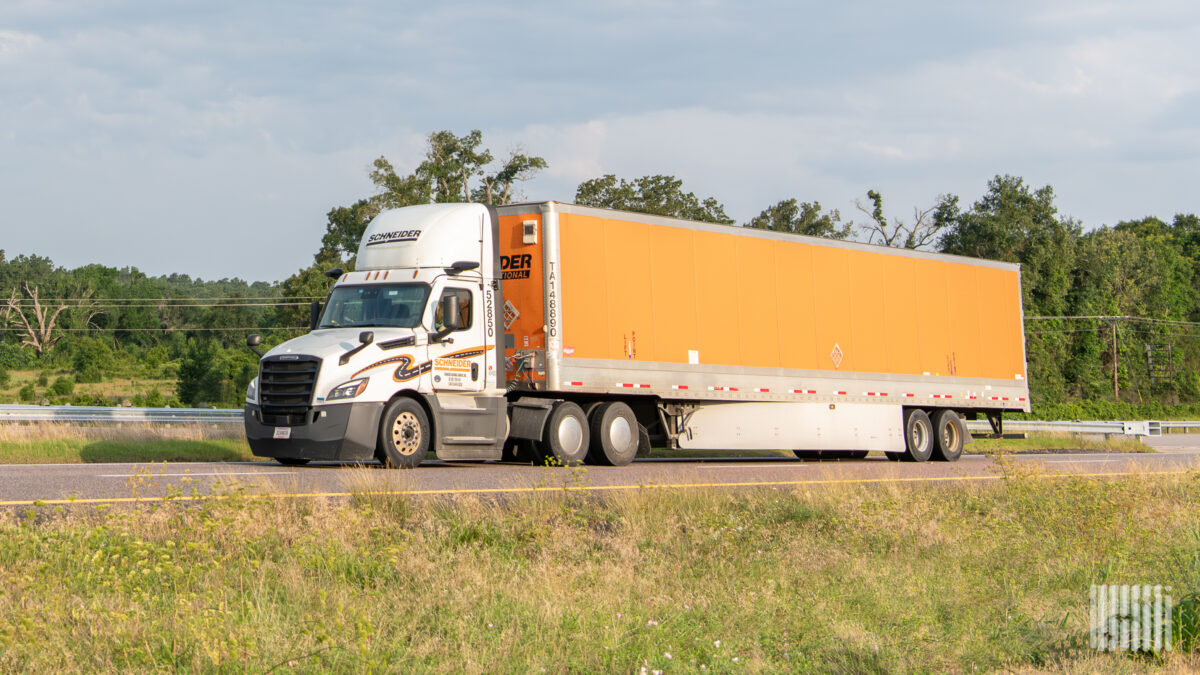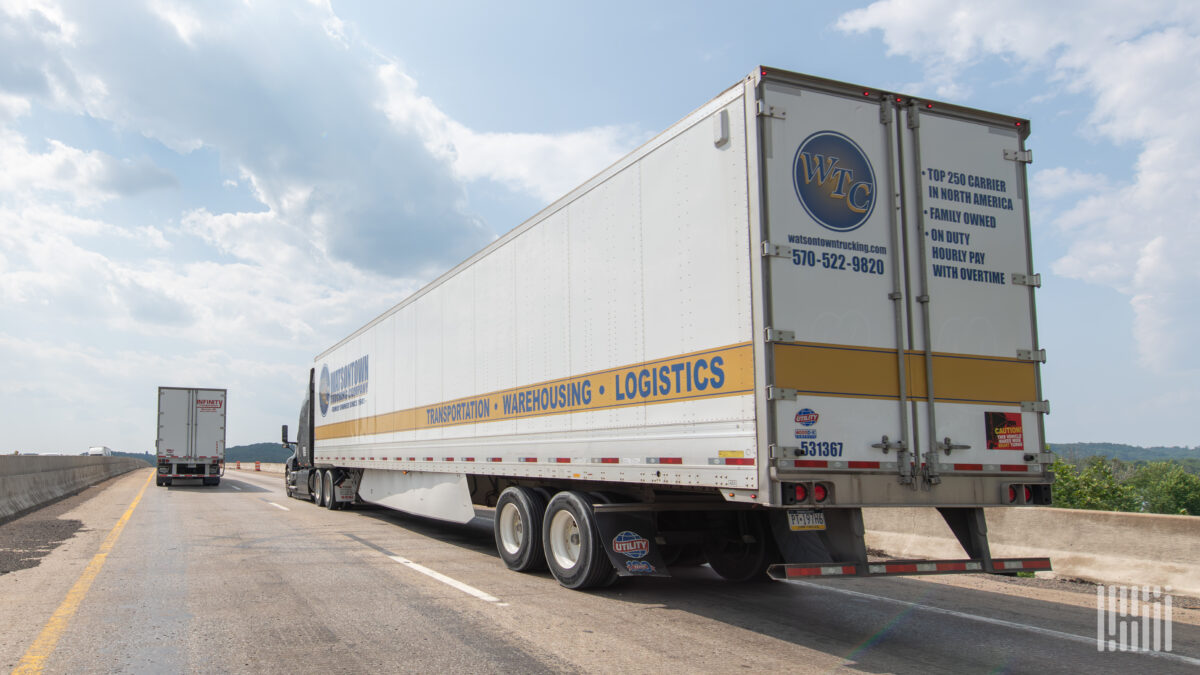
The ongoing trend of shrinking truckload miles in the U.S. is causing significant operational impacts, with spot rates surging and capacity constraints becoming more pronounced. Since June 2024, the average length of haul has decreased from approximately 607 miles to just above 500 miles, a 21% drop.
Context and Causes
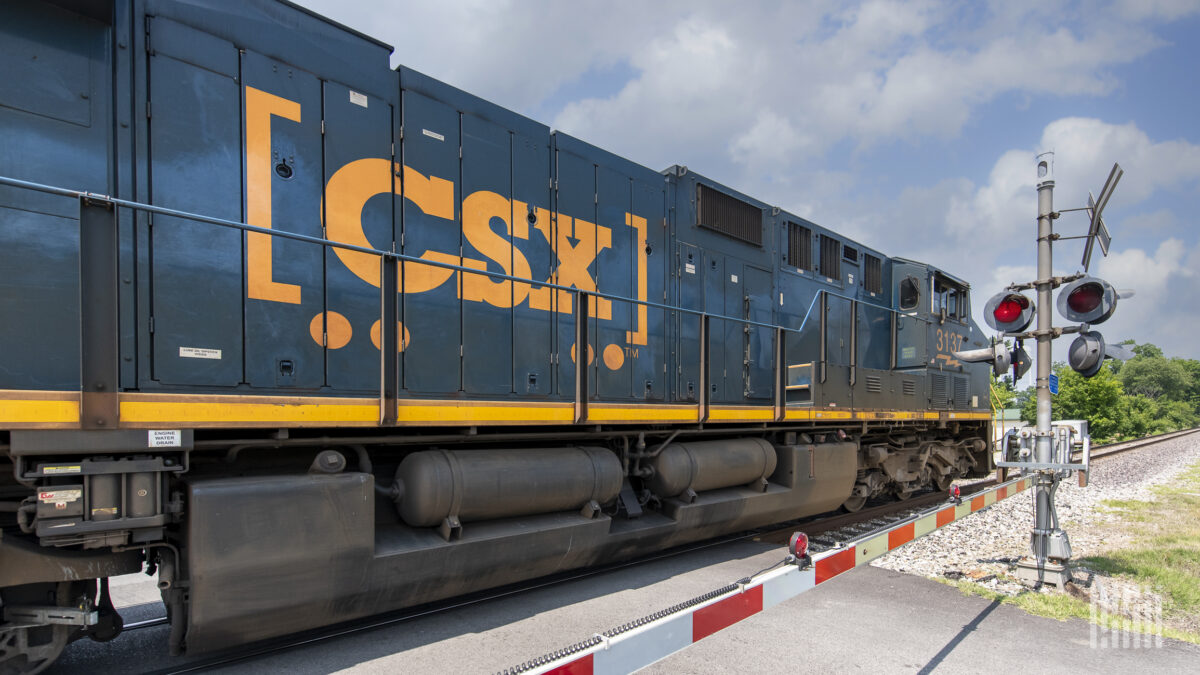
The decline in truckload miles is attributed to a structural shift in how shippers utilize trucks, adapting their supply chain strategies. This change is partly due to the increased share of intermodal transport, which offers a cost advantage on longer transcontinental lanes but struggles with shorter distances.
Affected Trade Lanes and Modes
- Intermodal Transport: Intermodal volumes have increased, with international container volumes up 11% and domestic volumes up 14% year-over-year.
- Truckload Market: Despite the potential for freed-up capacity, tender rejections remain high at over 17%, and spot rates are rising across all trailer types.
| Metric | June 2024 | June 2026 | Change (%) |
|---|---|---|---|
| Average Length of Haul (miles) | 607 | 500 | -21% |
| International Container Volumes | - | +11% | - |
| Domestic Container Volumes | - | +14% | - |
Implications for Shippers and Operators
Shippers and logistics operators must adapt to these changes by optimizing their supply chain strategies. The shift towards shorter hauls requires more frequent truck cycles, potentially increasing operational costs. Operators should consider leveraging intermodal options for longer distances to mitigate rising spot rates.
"The trend of shrinking truckload miles suggests a more permanent alteration of the market," notes Zach Strickland, Market Analyst at FreightWaves.
Watch List
- Infrastructure Investments: Continued investments in rail and intermodal infrastructure could further impact truckload dynamics.
- Demand Fluctuations: Monitoring demand surges and their effects on capacity and rates will be crucial.
- Regulatory Changes: Any changes in transportation regulations could alter current trends.