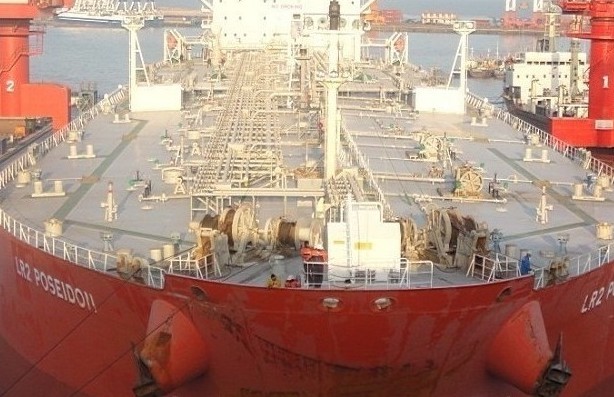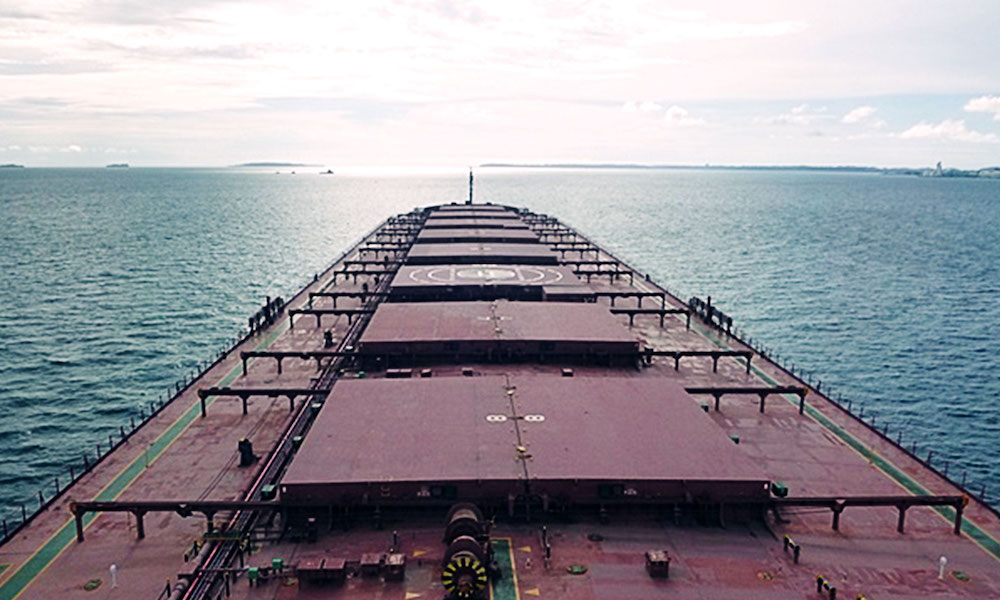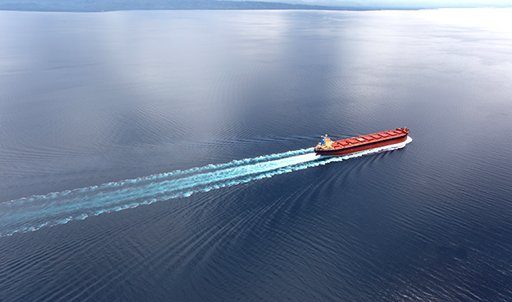
Shenzhen-based Mascot Ocean has entered the capesize bulk carrier segment, according to a report from Splash247. The company tapped Taiwan's Sincere Navigation for the 2004-built Chin Shan, a capesize vessel that will join Mascot Ocean's existing fleet of similarly aged panamaxes. The acquisition marks another step in what Splash247 describes as a "capesize buying frenzy" by Chinese owners, with roughly one new entrant joining the segment each month.
The Transaction
The Chin Shan was built at CSBC's Kaohsiung yard, which has delivered only 17 capesize vessels in its history. The purchase price was not disclosed in the report, but Splash247 noted that a few weeks earlier, Shanghai-based Van Hui Shipping had entered the capesize sector with the eco-design, Imabari-built Ehime Queen, an 181,000 dwt bulker acquired for $57.5 million. Mascot Ocean's vessel is similarly aged, indicating a focus on price-sensitive secondhand tonnage.
Market Context
Chinese owners have been the biggest buyers of secondhand capesize bulk carriers this year, according to Splash247. A new report from Greek broker Allied outlines two distinct investment tracks in the capesize market from March to early June:
- Newbuilding activity was larger in count, China-led, and aimed at forward delivery, peaking in May with further orders into early June.
- Secondhand activity was smaller but more price-sensitive, spanning a wide age range, with Chinese buyers the "clearest force" and Greek-linked owners more prominent in newbuildings.
This dual-track activity underscores the diverging strategies among shipping investors: Chinese buyers are snapping up older, cheaper tonnage while Greek-linked owners continue to invest in newbuilding orders.
Implications for Shippers and Operators
For freight forwarders and logistics managers, the influx of Chinese buyers into the capesize segment could influence dry bulk freight rates and vessel availability on major iron ore and coal routes. Capesize vessels are the workhorses of the iron ore trade, and a shift in ownership may affect chartering dynamics. With Chinese players increasingly controlling secondhand tonnage, charterers may see more competitive spot rates from these cost-conscious owners. However, the older age of vessels like the Chin Shan (built 2004) could lead to higher maintenance and potential off-hire risks.
Watch List
- Continued Chinese buying activity in the secondhand capesize market, potentially driving up asset prices.
- Newbuilding orders from Chinese yards, which could add to future supply and pressure freight rates.
- Any regulatory changes regarding vessel age or emissions that could affect older capesize vessels' trading flexibility.
Sources: