iGEN
Visit IGEN World Explore IGEN Expo
EXPLORE UPGRADE PLANS
BREAKING
MSC denies report of Hapag-Lloyd acquisition talks; carrier says claim 'not true or correct' Tin Prices Poised to Rule Elevated in 2026 on Semiconductor Demand and Supply Disruptions India must boost oilseed yields to cut edible oil imports, SEA chief says India Air Freights 5 Tonnes of Medical Aid to Afghanistan Under Humanitarian Assistance Tsakos Joins Greek Capesize Ordering Wave at Hengli Heavy Industries How US quietly kept Gulf crude moving despite Iran's Hormuz blockade Rupee Rebounds 31 Paise to 94.29 as Easing Oil, Dollar Index Boost Sentiment Shipping Braces for Monster El Niño as NOAA Warns of Record-Intensity Event Threatening Global Trade Lanes India May Require Refiners to Triple Crude Oil Inventories After Lessons From China Fleets Reposition for Hormuz Reopening Ahead of US-Iran Peace Deal Signing MSC denies report of Hapag-Lloyd acquisition talks; carrier says claim 'not true or correct' Tin Prices Poised to Rule Elevated in 2026 on Semiconductor Demand and Supply Disruptions India must boost oilseed yields to cut edible oil imports, SEA chief says India Air Freights 5 Tonnes of Medical Aid to Afghanistan Under Humanitarian Assistance Tsakos Joins Greek Capesize Ordering Wave at Hengli Heavy Industries How US quietly kept Gulf crude moving despite Iran's Hormuz blockade Rupee Rebounds 31 Paise to 94.29 as Easing Oil, Dollar Index Boost Sentiment Shipping Braces for Monster El Niño as NOAA Warns of Record-Intensity Event Threatening Global Trade Lanes India May Require Refiners to Triple Crude Oil Inventories After Lessons From China Fleets Reposition for Hormuz Reopening Ahead of US-Iran Peace Deal Signing
Home ›› Logistics ›› Shipping Freight ›› Tankers Lng ›› Fleets Reposition for Hormuz Reopening Ahead of US-Iran Peace Deal Signing

Fleets Reposition for Hormuz Reopening Ahead of US-Iran Peace Deal Signing

Tanker and LNG operators are repositioning vessels toward the Gulf ahead of a planned US-Iran peace agreement signing in Geneva. Vessel tracking shows over 75 tankers heading to the Middle East, and Iranian crude exports have resumed for the first time in two months. However, military authorities warn that security risks remain substantial, and Israeli involvement could derail the deal.

iG
iGEN Editorial
June 17, 2026
Fleets Reposition for Hormuz Reopening Ahead of US-Iran Peace Deal Signing

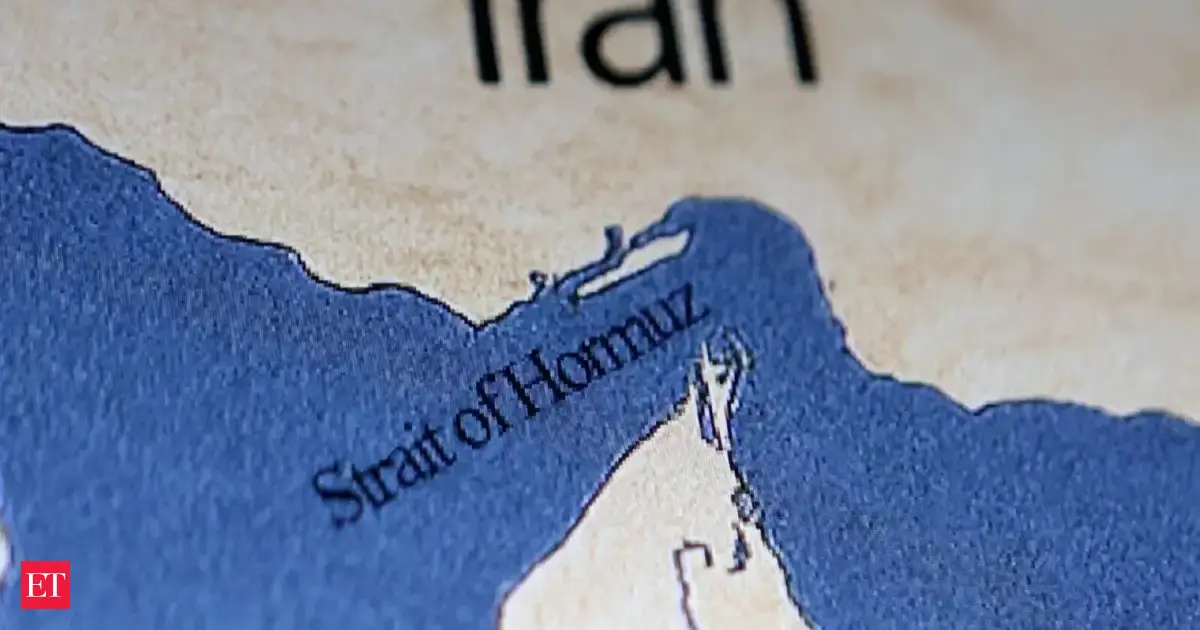
The race to capitalise on the expected reopening of the Strait of Hormuz is already underway, with some of the world’s largest tanker and LNG operators repositioning vessels towards the Gulf ahead of Friday’s planned signing of a peace agreement between the US and Iran in Geneva, according to Splash247.

Fleet Repositioning Underway

Shipowners appear increasingly confident that commercial traffic will soon resume through the vital waterway, even as military authorities continue to warn that the security situation remains fragile. Vessel tracking services show more than 75 tankers are currently heading towards the Middle East, with big names such as Sinokor and Maran Tankers Management to the fore, Splash247 reported.

A shipping markets report from SEB, a Scandinavian bank, stated: “A reopening of Hormuz is essential to prevent a collapse in the tanker market, and the opening will likely trigger a fixing frenzy and set the stage for a multi-year inventory restocking cycle.”

The LNG sector is making similar preparations. According to vessel tracking data cited by Splash247, Qatar has begun moving LNG carriers back towards the Middle East after weeks of inactivity or deployment elsewhere. At least four empty LNG vessels owned by Qatar have reversed course and are returning to the region, while another chartered vessel is also heading back.

Iranian Crude Exports Resume

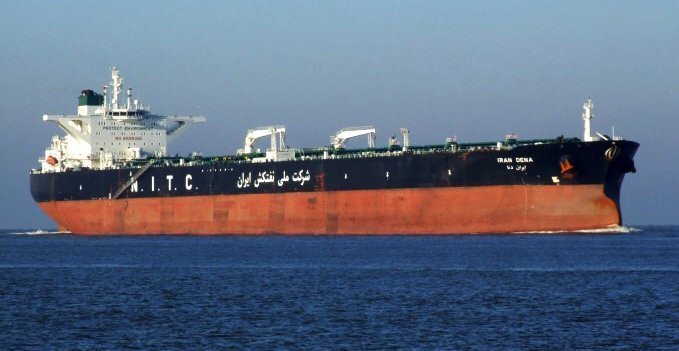
Perhaps the clearest sign that the blockade is beginning to loosen comes from Iran itself. According to TankerTrackers.com, Iranian crude exports have resumed for the first time in two months. The vessel tracking specialist reported that two National Iranian Tanker Company (NITC) very large crude carriers (VLCCs), Diona and Hero 2, crossed the US Navy blockade perimeter carrying a combined 3.8m barrels of crude oil. A third NITC tanker, a suezmax loaded with approximately 1m barrels of crude, has also reportedly departed. Using AIS data corroborated by satellite imagery, TankerTrackers.com described the movements as Iran’s first crude exports since the naval blockade was imposed.

Vessel Type Operator Cargo (barrels) Status
Diona VLCC NITC 1.9m (shared) Crossed blockade
Hero 2 VLCC NITC 1.9m (shared) Crossed blockade
Unnamed Suezmax NITC ~1m Departed

Security Concerns Remain

Despite the growing vessel activity, military authorities remain cautious. The Joint Maritime Information Centre (JMIC) has lowered its threat assessment for shipping in the Strait of Hormuz from “critical” to “substantial”, the lowest level since the conflict began on February 28, Splash247 reported. However, the organisation stressed that risks remain elevated. “Maritime traffic continues under a substantial risk environment,” JMIC said in its latest advisory, warning that navigation interference, surveillance activity and short-notice disruptions remain possible. It added that “an attack is a strong possibility” despite noting that Iranian Revolutionary Guard Corps activity had become less volatile following announcement of the forthcoming US-Iran memorandum of understanding. US naval forces continue to maintain a significant presence in the area, which JMIC said was providing “stabilizing oversight”.

Geopolitical Risks Threaten Deal

For now, the biggest threat to a return to normality may not come from Tehran or Washington. Neither side has released the text of the agreement due to be signed in Geneva on Friday, and Iranian officials have repeatedly linked the deal to a cessation of Israeli military activity. Tehran has claimed Israel has already violated the understanding dozens of times since it was reached and warned of “harsh consequences”. At the same time, Israel appears to view the arrangement primarily as a bilateral US-Iran agreement rather than one that constrains its own actions. While vessel owners are positioning for a reopening, and Iranian exports are beginning to move again, a single escalation involving Israel could still derail the diplomatic breakthrough.

Charu Chanana, chief investment strategist (as noted in the Splash247 report), stated: “Even as the market reacts to Hormuz opening headlines cleanly, the operational reality is likely to be messier.” The market is reacting, but the path to full commercial traffic remains uncertain.


Sources: Splash247 Maritime

Keep Reading

Recommended Stories

Oil Supply Recovery May Take Months Despite Strait of Hormuz Reopening, Experts Say Commodities

Oil Supply Recovery May Take Months Despite Strait of Hormuz Reopening, Experts Say

Despite the agreement to reopen the Strait of Hormuz, oil supply recovery is expected to take months due to stranded tankers, shut-in production, and security concerns. Experts from S&P Global, Wood Mackenzie, and Columbia University highlight slow logistics, insurance hurdles, and the need for a durable ceasefire before producers restart operations.

June 15, 2026
US military runs secret ship-to-ship oil transfer operation near Strait of Hormuz to keep Gulf energy exports flowing Logistics

US military runs secret ship-to-ship oil transfer operation near Strait of Hormuz to keep Gulf energy exports flowing

The US military has conducted scores of secretive ship-to-ship oil transfers off the coast of Fujairah, UAE, and Sohar, Oman, to keep Gulf energy exports flowing amid Iran's closure of the Strait of Hormuz. The operation, involving at least 116 ships and using aerial and water drones as well as helicopters, started in early May. An Apache helicopter involved in the mission was shot down by Iran on June 9, triggering retaliatory bombings.

June 16, 2026
Strait of Hormuz Reopening: Mine Clearance Delays Threaten Weeks-Long Recovery for Oil Shipping Logistics

Strait of Hormuz Reopening: Mine Clearance Delays Threaten Weeks-Long Recovery for Oil Shipping

The US-Iran tentative agreement ends the three-month Middle East conflict, but the Strait of Hormuz faces a slow recovery due to mine clearance and shipping bottlenecks. Over 20% of global oil supply was disrupted, with 500 vessels stranded. Shipping resumes gradually, with analysts warning of weeks to months for normal flows.

June 16, 2026
Strait of Hormuz Closure Hits 100 Days as Dark Tanker Trade Masks True Oil Flow Logistics

Strait of Hormuz Closure Hits 100 Days as Dark Tanker Trade Masks True Oil Flow

The Strait of Hormuz has been effectively closed for more than 100 days, causing a 95% reduction in crude shipments from Arabian Gulf ports and a 99% drop in LNG carriers, according to WTO data. The 'dark trade' of vessels running without AIS transponders makes actual oil flows difficult to quantify, but analysts estimate 100 million barrels may have moved through since May 1. Despite the disruption, Brent crude sits at $87.55 per barrel due to buffers from China, the US, Brazil, and Canada. Recovery may take years, with IEA warning of up to two years for energy facility repairs.

June 14, 2026