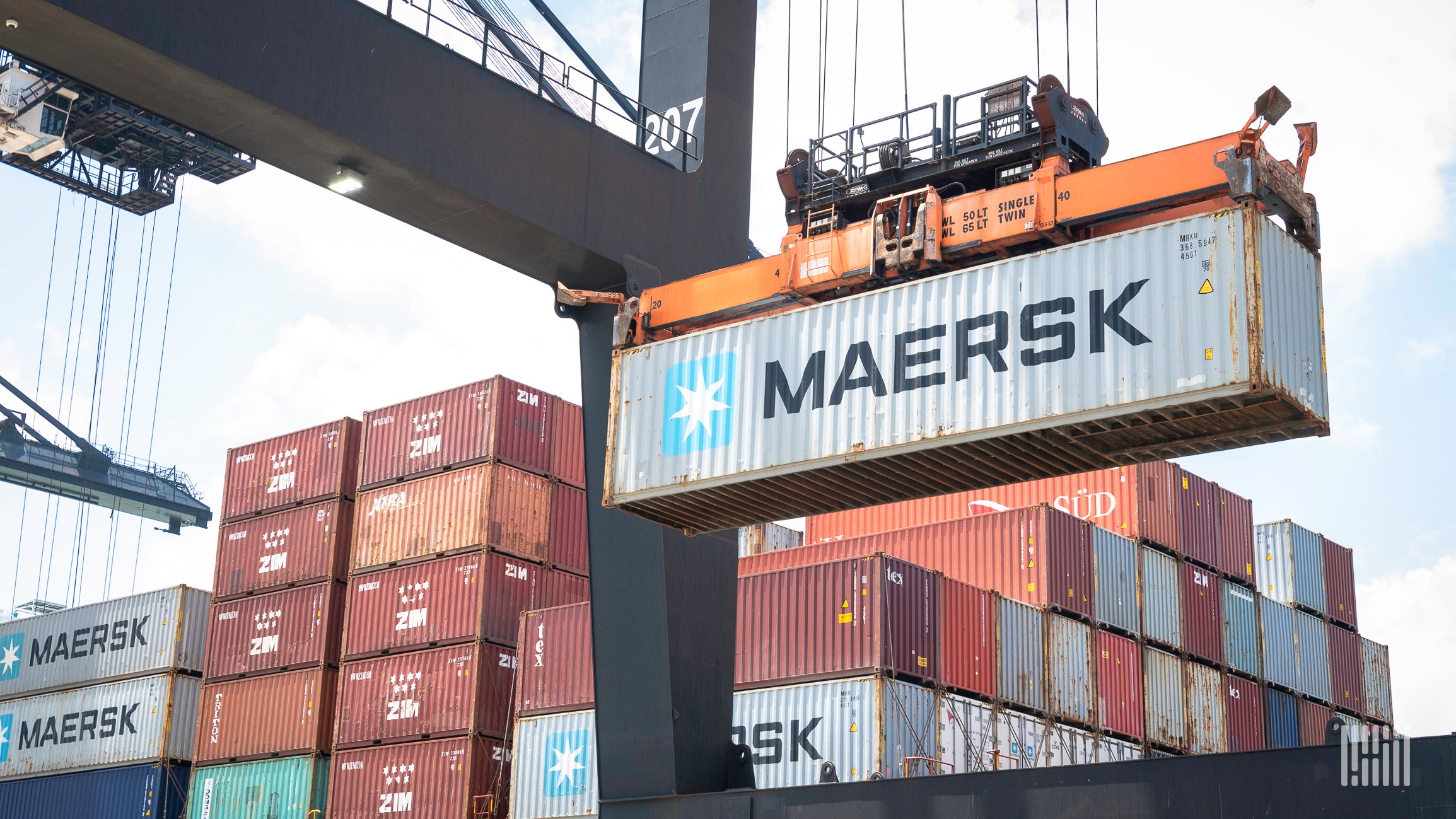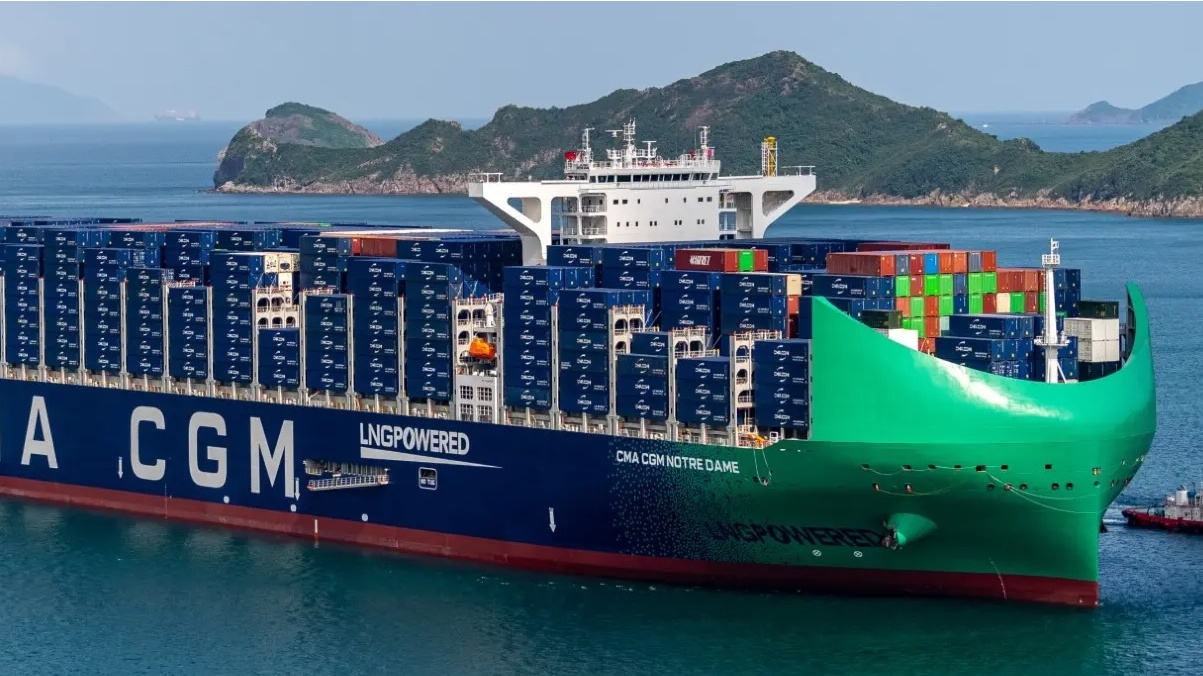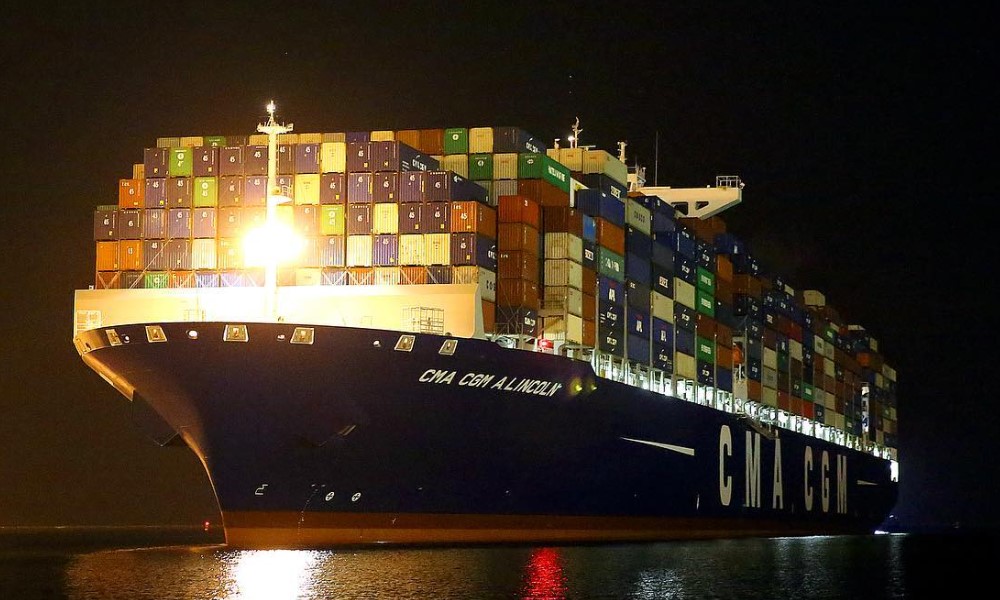
CMA CGM is on course to overtake Maersk as the world's second-largest containerline by the end of 2027, according to the carrier's chairman and chief executive Rodolphe Saadé. Speaking to French business daily Les Echos last week, Saadé said the Marseille-headquartered carrier is on track to move past its Danish rival within the next 18 months. Based on data from liner consultancy Linerlytica, CMA CGM will overtake Maersk by July 2027, Splash247 reported.
Ranking shift and current fleet sizes
Alphaliner currently ranks Mediterranean Shipping Co (MSC) first with around 7.3m TEU, followed by Maersk at about 4.7m TEU and CMA CGM at roughly 4.4m TEU. The gap between Maersk and CMA CGM has narrowed to only a few hundred thousand slots, with the French carrier's orderbook set to close the difference, Splash247 reported.
| Carrier | Current Fleet (TEU) | Ranking |
|---|---|---|
| MSC | 7.3m | 1st |
| Maersk | 4.7m | 2nd |
| CMA CGM | 4.4m | 3rd |
Strategic divergence
The likely change in ranking matters less for the number itself than for what it says about the industry, according to Splash247. For decades, Maersk was the reference point in container shipping: the carrier others measured themselves against on scale, network design, operational discipline and strategic direction. That era has already faded. MSC has redefined the scale of the sector, while CMA CGM has used the windfall from the pandemic years to build a broader transport group spanning ocean shipping, logistics and media.
"Maersk's fall in the rankings is entirely self-inflicted as it has failed to pivot away from its logistics integrator strategy despite the vastly superior earnings in the ocean business that their rivals continue to capitalise on," commented Hua Joo Tan, founder of Linerlytica, as reported by Splash247.
Analyst perspectives and risks
"Maersk very clearly made the conscious choice not to retain the number one spot at any cost, and are now prepared to drop to number three, so they clearly do not believe that the costs of retaining the number two ranking outweighs the benefits," commented Alan Murphy, CEO of liner consultancy Sea-Intelligence, according to Splash247.
The achievement, however, will come with risks. Liner shipping is heading into another major delivery cycle, with a large global orderbook still to enter service. Capacity rankings do not measure profitability, capital discipline or schedule reliability. "As we are likely heading into a cyclical downturn with abundant capacity, battening down the hatches, and focusing on profitable markets would seem like a sound choice," said Murphy.
Implications for shippers and operators
Maersk's bet is that a leaner fleet tied to logistics and network control can produce better returns than chasing slot growth. CMA CGM's bet is that scale, asset control and supply chain reach will matter more. For operators and shippers, the shifting rankings signal differing strategies: CMA CGM's aggressive capacity expansion could offer more slot availability on certain lanes, while Maersk's integrated logistics approach may provide more value-added services. Freight forwarders and 3PL operators should monitor network changes and rate implications as the capacity gap closes.
Watch list
The speed at which CMA CGM's orderbook is delivered and any further fleet adjustments by Maersk will determine the exact timing of the overtake. The arrival of a large global orderbook and potential cyclical downturn will test both carriers' strategies. Further comments from carriers during upcoming earnings calls are expected to provide more clarity.
Sources: