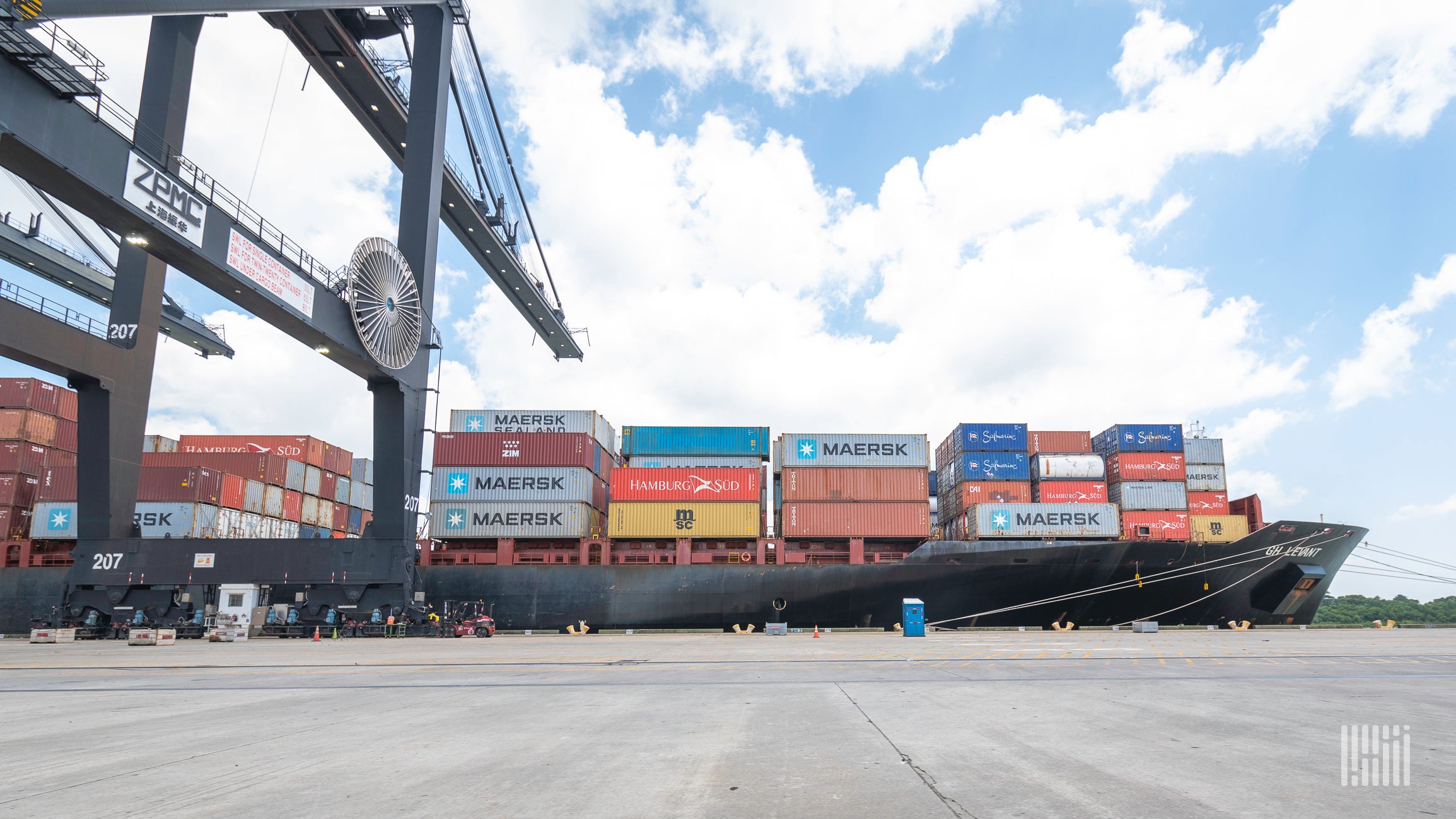
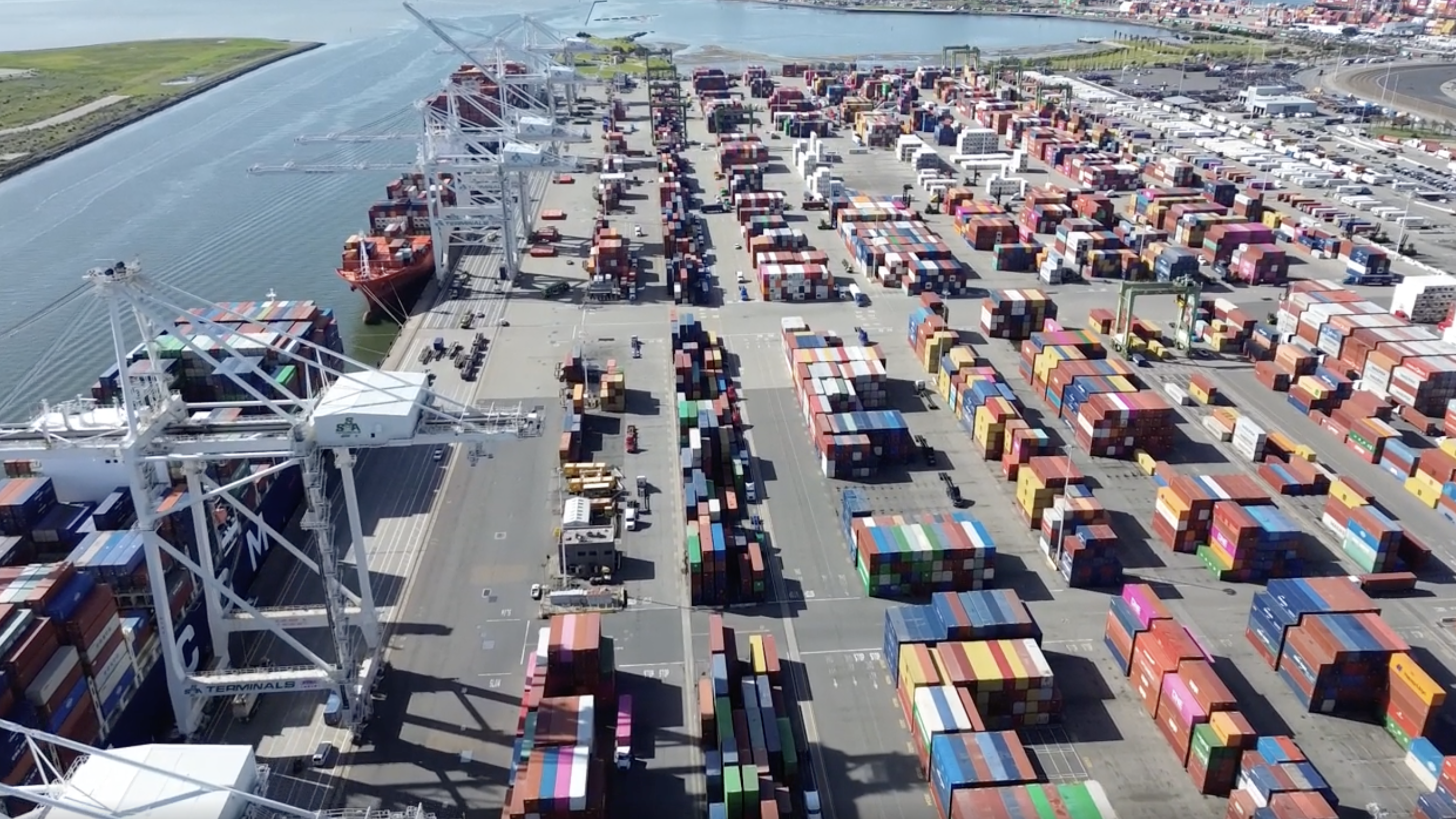
Frontloading of imports ahead of tariff uncertainty and peak season demand drove a sharp 17% year-over-year increase in May container volume at the Port of Los Angeles, according to data released by the port. The surge signals an early peak season that is reshaping supply chain planning for U.S. importers.
Context: Why frontloading is happening
According to FreightWaves, the Port of Los Angeles handled 840,165 twenty-foot equivalent units (TEUs) in May 2026, up 17% from May 2025. Year-to-date volume reached 4,119,869 TEUs, a 1.4% increase over the same period in 2025. Port of Los Angeles Executive Director Gene Seroka said during a media briefing: “We’re seeing cargo move for a combination of reasons including inventory replenishment, concerns about fuel costs, trade-policy uncertainty and preparation for upcoming retail seasons. Companies are operating with shorter planning horizons and taking advantage of opportunities when they emerge.” The strong May performance builds on a depressed base in May 2025, when import traffic was severely undercut by President Donald Trump’s Liberation Day tariffs on China.
Disaggregated trade flows: Imports surge, exports slip
May loaded imports totaled 449,370 TEUs, a 26% year-over-year gain. Loaded exports, however, fell 10% to 107,657 TEUs, while empty containers — often a leading indicator of future import demand — rose 18% to 283,138 TEUs. The divergent trend underscores the ongoing imbalance in trans-Pacific trade, with U.S. consumer demand driving inbound volumes while export activity remains subdued.
| Metric | May 2026 (TEUs) | Year-over-Year Change |
|---|---|---|
| Total container volume | 840,165 | +17% |
| Loaded imports | 449,370 | +26% |
| Loaded exports | 107,657 | -10% |
| Empty containers | 283,138 | +18% |
| Year-to-date total | 4,119,869 | +1.4% |
Operational implications for shippers and carriers
The early surge places additional strain on terminal capacity, trucking, and rail intermodal connections at the San Pedro Bay port complex. With peak season arriving earlier than usual, freight forwarders and logistics managers should prepare for potential congestion and extended dwell times, especially at the busiest U.S. container gateway. The combination of inventory replenishment and tariff-driven frontloading means shippers should secure equipment and book space well in advance. The elevated empty container count (up 18%) suggests strong inbound volume will continue, as empties are repositioned for further imports. However, reliance on shorter planning horizons — as noted by Seroka — could amplify last-minute rate volatility on the transpacific eastbound lane.
Watch list: Tariff policy and peak season duration
Key factors to monitor include further U.S. tariff actions on Chinese goods, which have already distorted import patterns, and the possibility of broader trade disruptions such as the proposed tax on Chinese ships, which analysts warn could hurt U.S. agricultural exporters. Additionally, the magnitude of peak season demand beyond May remains uncertain; if frontloading exhausts demand early, the traditional late-summer peak may be muted. The upcoming F3: Future of Freight Festival and Supply Chain AI Symposium — mentioned in the FreightWaves report — will likely feature discussions on these trends.
Sources: