Shipbrokers are losing bulk cargo bookings to container shipping because their quoting processes are opaque and their client networks remain closed, according to an open letter published by maritime news outlet Splash247. The letter, written by a self-described "battle-hardened charterer", accuses international shipbrokers of operating like cavemen from the 18th century, hiding inside closed networks while cargo owners do the heavy lifting.
The operational impact
The charterer says they regularly need vessels for 10,000 to 15,000 tons of wood pellets, rice husk pellets, or 5% broken jasmine rice. Because the international broker network is so closed, they are forced to call local brokers who, according to the letter, do not own a single ship and act as low-tier middlemen. Freight rates must then filter down through these intermediaries, and by the time a quote arrives, "the commercial window has closed and I've already lost the deal."
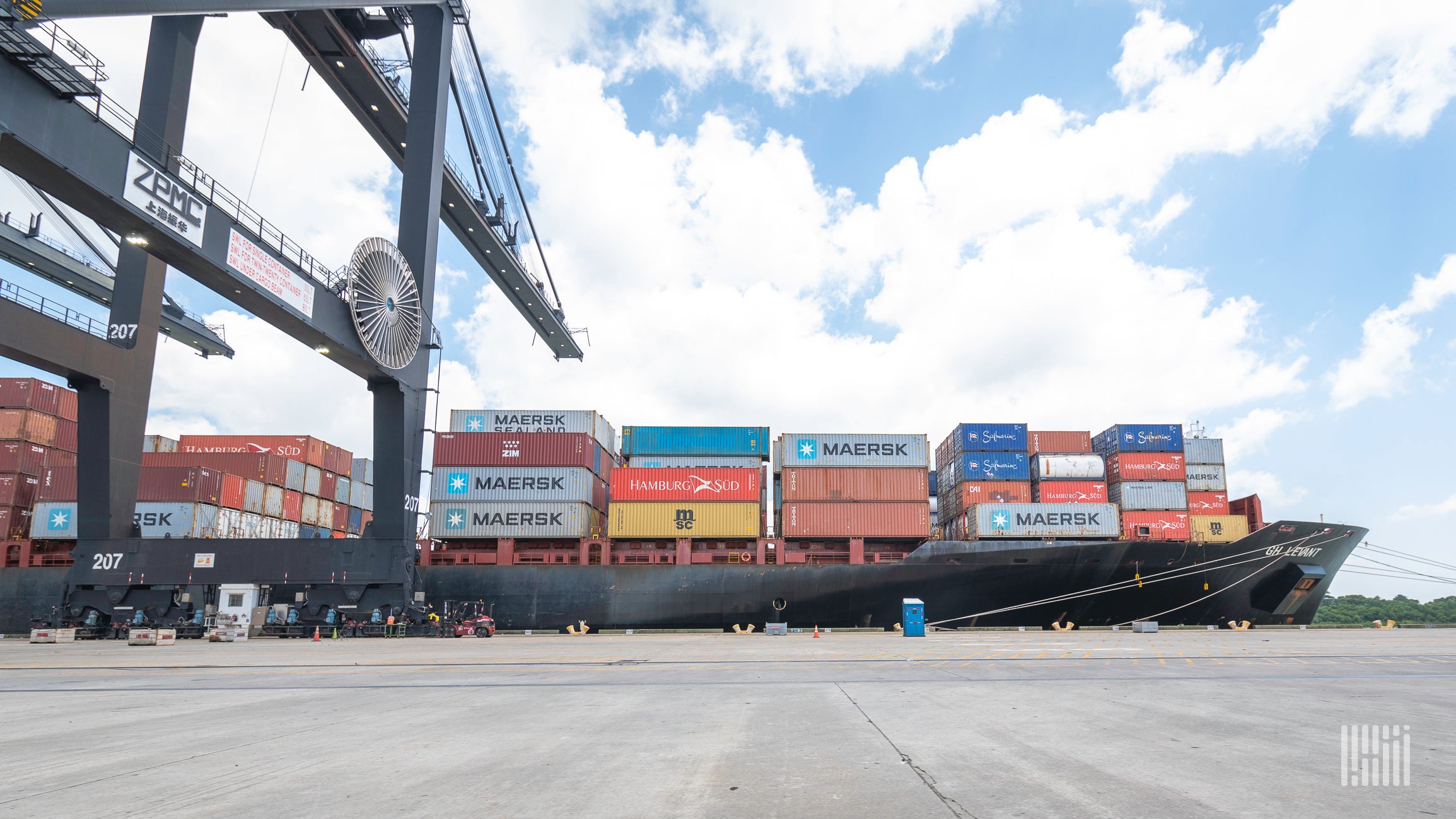
This is not just an inconvenience; it is a direct route to modal shift. The author states that when hit with a generic "$/ton" quote and no breakdown of what is included, they cannot calculate landed cost or verify whether the number was marked up by three tiers of brokers. The result, the letter says, is that the charterer moves cargo via containers "just to save my sanity."
Why bulk cargo is drifting to containers
The core complaint is a lack of transparency. The letter asks: how is a cargo owner supposed to know if a freight quote is accurate when it comes through a broken chain of middlemen? Without a cost breakdown, the charterer cannot calculate total landed cost, so they default to containerised transport even for bulk commodities.
Finding a broker is described as "harder than climbing to heaven." The letter says broker websites contain generic, useless information with no names, no direct lines, and no clues about who to contact. The industry justifies this as security, but the author argues that a simple public statement—"We are professional dry bulk shipbrokers. If you need a vessel, just submit your cargo info and you will support and respond"—combined with real names would solve the problem.
"You throw a generic '$/ton' at us without breaking down what is actually included."
What the charterer demands
The letter lists concrete fixes that shipbrokers should adopt immediately:
- Establish an open inbound desk for new clients.
- Put a clear, digital KYC (know your customer) form on the main page.
- Tell customers how many hours it will take to respond—and keep that promise.
- Publish a public statement with real names and a commitment to respond.
- Dismiss any employee who spends their day on LinkedIn showing off, bragging, or painting a fake picture of themselves.
The author argues that a client who completes KYC beforehand is demonstrating they are decent, serious, and professional, and that an open system is the only way to acquire new international clients. The letter also warns shipowners that LinkedIn is "just a circle-jerk" where HR people and low-tier brokers swap jobs, and that real talent will never be found there.
| Problem identified by charterer | Requested fix |
|---|---|
| No names or direct lines on broker websites | Public statement with real names and immediate response promise |
| Generic $/ton quotes without inclusions | Detailed cost breakdown for landed-cost calculation |
| Multi-tier local broker chain slows quotes | Open inbound desk with digital KYC and fixed response time |
Implications for shipbrokers and forwarders
For the logistics community, the letter highlights a real commercial risk: when bulk quoting fails, container shipping captures the cargo. The charterer explicitly states that they chose containers because the broken quoting chain made it impossible to calculate landed cost in time. Shipbrokers who maintain closed networks and opaque pricing are leaving money on the table, the author argues, by clinging to "the same five old clients" instead of building a system that welcomes new international cash.
The author concludes that the industry is living in the 21st century with brains stuck in prehistory, and that brokers who refuse to modernise will continue to lose bulk customers to container lines. For freight forwarders and 3PL operators, the takeaway is that a clear digital front door, transparent pricing, and honest response times are no longer optional—they are the difference between winning and losing the shipment.
Sources: