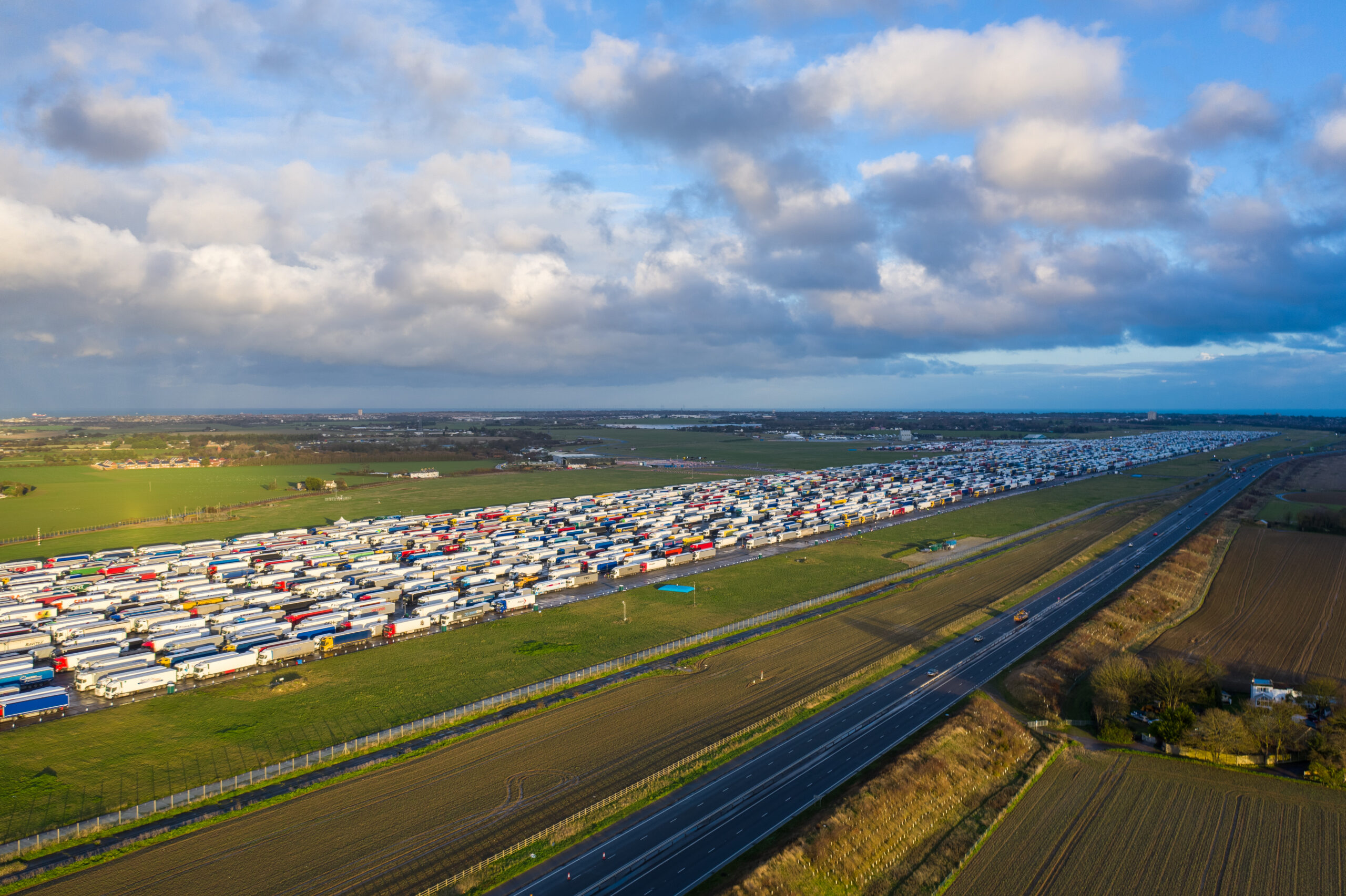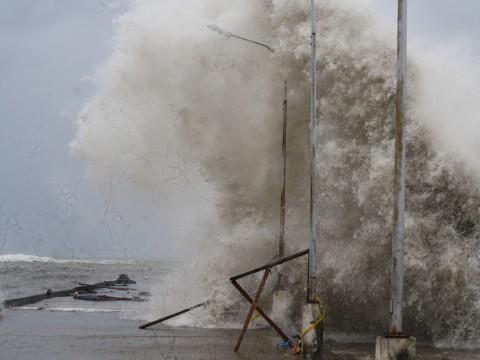
Ports that fail to adapt to climate change and growing environmental pressures could face annual disruption costs of up to $30bn by 2050, according to a new World Economic Forum (WEF) report that calls for a fundamental rethink of how maritime gateways are planned, financed and operated.
The $30bn Climate Disruption Forecast
The report, Future-Proofing Ports: Nature, Climate and People as Drivers of Competitiveness, argues that ports can no longer view environmental resilience as a compliance exercise. Instead, the WEF says climate adaptation, ecosystem restoration, and workforce development are becoming central to long-term competitiveness.
Ports handle around 80% of global trade and contribute approximately 2.6% of global GDP, yet the sector is increasingly exposed to climate-related risks. According to the report, 86% of ports face exposure to more than three natural hazards, including coastal flooding, storms, heatwaves, and sea-level rise.
The WEF warns that climate-related port disruptions already cost the global economy between $7bn and $10bn annually. Without significant adaptation measures, those losses could rise to $25bn–$30bn per year by mid-century, with knock-on effects across supply chains potentially multiplying the economic impact several times over.
| Year | Annual disruption cost (low) | Annual disruption cost (high) |
|---|---|---|
| Current | $7bn | $10bn |
| 2050 (no adaptation) | $25bn | $30bn |
Ports at Risk: Sea-Level Rise and Natural Hazards
The report highlights sea-level rise as one of the most immediate threats. A rise of just 40 cm could place some of the world’s busiest gateways, including Houston, Shanghai, and Lázaro Cárdenas, at increased risk of flooding and operational disruption.
| Port | Country | Risk factor |
|---|---|---|
| Houston | USA | Sea-level rise, storms |
| Shanghai | China | Sea-level rise, coastal flooding |
| Lázaro Cárdenas | Mexico | Sea-level rise, storms |
Nature-Positive Strategies as Commercial Opportunity
Rather than focusing solely on defensive infrastructure, the WEF advocates a broader “nature-positive” and “people-positive” approach to port development. This includes restoring coastal ecosystems, investing in clean energy infrastructure, improving biodiversity, and ensuring workers and surrounding communities benefit from port growth.
The report argues that such measures are not simply environmental initiatives but commercial opportunities. It estimates that ports adopting nature-positive strategies could unlock up to $54bn in annual business opportunities by 2030 through investments in clean energy, sustainable materials, advanced operating systems, and new maritime industries.
Ports Already Adapting: Rotterdam, Antwerp-Bruges, Porto do Açu
Several ports are already moving in that direction. The Port of Rotterdam has developed a comprehensive nature strategy that includes tidal habitat restoration, dune recovery projects, and oyster reef pilots across the Rhine-Maas delta. Meanwhile, the Port of Antwerp-Bruges has expanded ecological infrastructure programmes aimed at improving biodiversity and water quality across its industrial footprint. In Brazil, Porto do Açu has integrated conservation initiatives with local community development through the protection and restoration of coastal ecosystems.
Workforce and Infrastructure Challenges
The report comes at a time when ports worldwide are grappling with multiple structural challenges. Alongside climate risks, operators face increasing pressure to decarbonise operations, accommodate larger vessels, improve digital connectivity, and strengthen supply chain resilience.
Workforce development also features prominently in the study. The maritime sector directly employs around 30m people and supports a further 90m jobs indirectly. The WEF argues that investment in skills, training, and workforce resilience will be essential as ports adopt more advanced technologies and automation systems.
For many ports, the challenge is particularly acute because a significant proportion of future infrastructure has yet to be built. The report notes that roughly 75% of the infrastructure expected to exist in 2050 has not yet been developed, creating an opportunity to embed resilience and sustainability principles into new projects from the outset.
For freight forwarders, logistics managers, and port authorities, the WEF report underscores that climate adaptation is no longer a distant concern but a near-term cost and operational risk. Ports that invest now in nature-positive and resilient infrastructure may secure a competitive advantage, while those that delay could face escalating disruption costs and supply chain repercussions that ripple far beyond the quayside.
Sources: