iGEN
Visit IGEN World Explore IGEN Expo
EXPLORE UPGRADE PLANS
BREAKING
New Senate bill targets 'chameleon carriers' that reopen to escape penalties Werner Enterprises Posts Highest Revenue Per Truck Growth in One-Way Segment in a Decade CMA CGM and Stonepeak Launch United Ports LLC in $2.4 Billion Terminal Joint Venture UPS shift away from Amazon shows bigger payoff Lanesurf: 62% of Loads Get Vetted Carrier Offers Before Brokers Arrive India-China Border Trade Via Lipulekh Resumes Aug 1; China Permits 20 Traders Geopolitics Drives CMA CGM Q2 Profit Surge of 42% as Volumes and Rates Climb Benchmark Diesel Price Rises Third Week as Futures Plunge; Spread Hits Record Indian Government Limits Sugar Dealers to 400 Tonnes Stock Until November to Curb Hoarding Tenants signing longer leases for larger warehouses as 3PLs lock in capacity New Senate bill targets 'chameleon carriers' that reopen to escape penalties Werner Enterprises Posts Highest Revenue Per Truck Growth in One-Way Segment in a Decade CMA CGM and Stonepeak Launch United Ports LLC in $2.4 Billion Terminal Joint Venture UPS shift away from Amazon shows bigger payoff Lanesurf: 62% of Loads Get Vetted Carrier Offers Before Brokers Arrive India-China Border Trade Via Lipulekh Resumes Aug 1; China Permits 20 Traders Geopolitics Drives CMA CGM Q2 Profit Surge of 42% as Volumes and Rates Climb Benchmark Diesel Price Rises Third Week as Futures Plunge; Spread Hits Record Indian Government Limits Sugar Dealers to 400 Tonnes Stock Until November to Curb Hoarding Tenants signing longer leases for larger warehouses as 3PLs lock in capacity
Home ›› Logistics ›› Shipping Freight ›› Tankers Lng ›› Hormuz transits fall sharply as Iran warns of unsafe waters amid US strikes

Hormuz transits fall sharply as Iran warns of unsafe waters amid US strikes

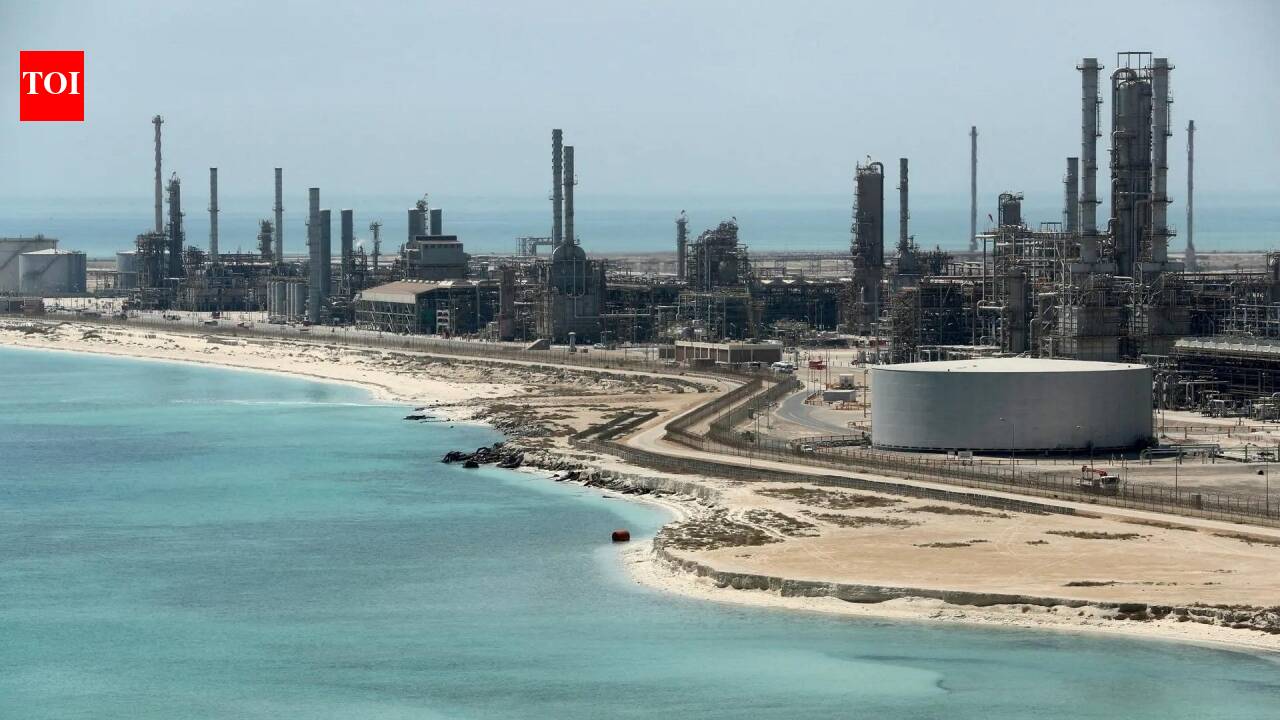
Transits through the Strait of Hormuz have dropped sharply after Iran claimed two oil tankers exploded and warned the waterway is unsafe. Clarksons data shows crude tanker transits fell from six to roughly two per day, and total shipping from 36 to about 15, as the US continues airstrikes on Iran.

iG
iGEN Editorial
July 20, 2026
Hormuz transits fall sharply as Iran warns of unsafe waters amid US strikes

Operational impact: Vessel transits through the Strait of Hormuz have plummeted over the past week, threatening the flow of oil and petrochemical cargoes on the world’s most strategically important energy chokepoint. According to shipping data from Clarksons, the seven-day moving average of crude tanker transits has fallen to roughly two vessels per day, down from about six a week ago. Total shipping transits have followed the same trajectory, dropping from around 36 vessels last week to about 15, [Splash247] reported.

The crisis escalated after Iran’s Islamic Revolutionary Guard Corps claimed two unidentified oil tankers exploded and were immobilised while attempting to use the waterway’s southern passage. The IRGC said the vessels had entered what it described as an unsafe or mined route under US pressure, but provided no names, flags, casualty details or evidence. The incident has not been independently verified, [Splash247] noted.

Meanwhile, the UK Maritime Trade Operations (UKMTO) issued an alert reporting a vessel on fire approximately eight nautical miles northwest of Kumzar, Oman. UKMTO said military authorities had supplied the information but stressed that the cause of the blaze remained unverified.

Escalating military actions

Iran warned that Hormuz would remain unsafe for petrochemical cargoes and “not even a single drop” of oil or gas while US military operations continued. Washington responded with a ninth consecutive day of strikes on Iran. US Central Command said its latest wave was intended to reduce Tehran’s ability to attack merchant ships operating in the strait’s shipping lanes, [Splash247] reported.

Traffic data snapshot

Metric 7-day average one week ago Current 7-day average Change
Crude tanker transits per day ~6 ~2 -67%
Total shipping transits per day ~36 ~15 -58%

Source: Clarksons, as cited by Splash247

Implications for shippers and operators

The sharp decline in transits directly impacts the flow of crude oil, liquefied petroleum gas, and other petrochemicals from Persian Gulf producers. For tanker operators and commodity traders, the reduced traffic signals heightened war risk premiums and potential rerouting around the Arabian Peninsula via the Bab el-Mandeb strait, adding significant voyage time and cost. Freight forwarders and logistics managers should expect delays in scheduled cargoes and prepare for possible container vessel disruptions if the situation broadens. The lack of independent verification of the reported tanker explosions leaves the industry in a cautious wait-and-see mode.

Watch list

  • Any further UKMTO or naval advisories regarding safe passage in the strait.
  • US Central Command updates on strikes and their impact on Iranian naval capabilities.
  • Claims from Iran about additional incidents or changes to waterway safety.
  • Lloyd's of London and insurance market adjustments to war risk premiums for the region.

Given that 20% of the world's oil passes through Hormuz, continued reduction in transit numbers could trigger oil price spikes and supply disruptions. Logistics firms should activate contingency routing plans and monitor real-time tracking of vessels approaching the strait.


Sources: Splash247 Maritime

Keep Reading

Recommended Stories

Strait of Hormuz Crisis Tests Trust Between Shipmanagers, Owners and Crews, Says InterManager President Logistics

Strait of Hormuz Crisis Tests Trust Between Shipmanagers, Owners and Crews, Says InterManager President

The crisis in the Strait of Hormuz is testing relationships between shipmanagers, owners, and crews. InterManager president Sebastian von Hardenberg writes that mental well-being and transparent communication are critical. The industry's response will affect seafarer recruitment and retention.

June 29, 2026
Hormuz Threat Level Stays Severe Despite Peace Breakthrough as Explosions and Uncertainty Persist Logistics

Hormuz Threat Level Stays Severe Despite Peace Breakthrough as Explosions and Uncertainty Persist

The Strait of Hormuz remains at a severe threat level despite a diplomatic breakthrough, with explosions reported, vessels requiring military protection, and uncertainty lingering. Over 500 vessels are stranded, facing biofouling issues that could increase fuel consumption by 15-30%. Shipbroker BRS warns it may take four to five months for traffic to normalize even if a deal is signed.

June 16, 2026
Container Ship Attacked in Strait of Hormuz as Iran Widens War, Disrupting Global Trade Logistics

Container Ship Attacked in Strait of Hormuz as Iran Widens War, Disrupting Global Trade

Iran attacked the container ship GFS Galaxy in the Strait of Hormuz, setting it afire and forcing crew to abandon ship. Iran declared the strait closed to vessel traffic and expanded missile/drone attacks on several Gulf states. Energy prices surged, and Maersk's planned Suez restart is threatened.

July 13, 2026
Strait of Hormuz Near Standstill, Ukraine Strikes, Evergreen Raided, ZIM Sale Faces Hurdles Logistics

Strait of Hormuz Near Standstill, Ukraine Strikes, Evergreen Raided, ZIM Sale Faces Hurdles

The Strait of Hormuz saw a near standstill after US strikes on Iran, with three vessels attacked. Ukraine escalated attacks on Russian shipping. Evergreen Marine was raided in Taiwan. The ZIM sale to Hapag-Lloyd faces political opposition. The Panama Canal will reduce neopanamax draught limits.

July 10, 2026