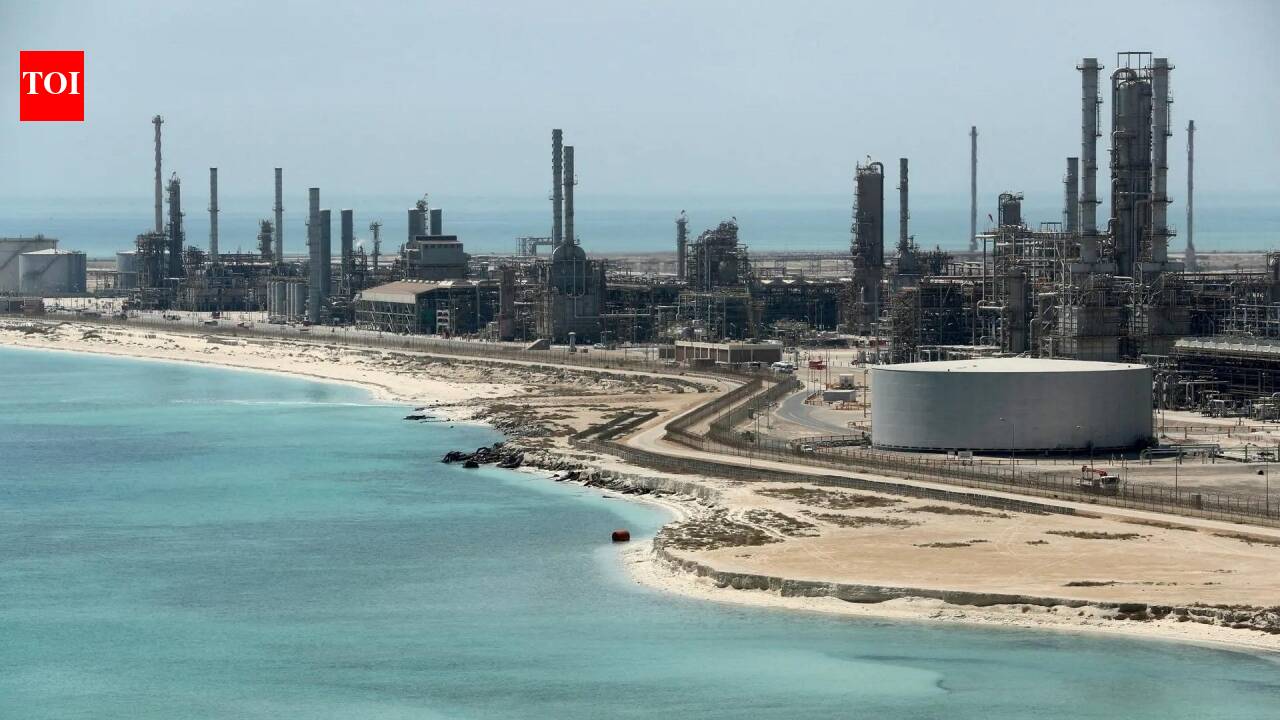
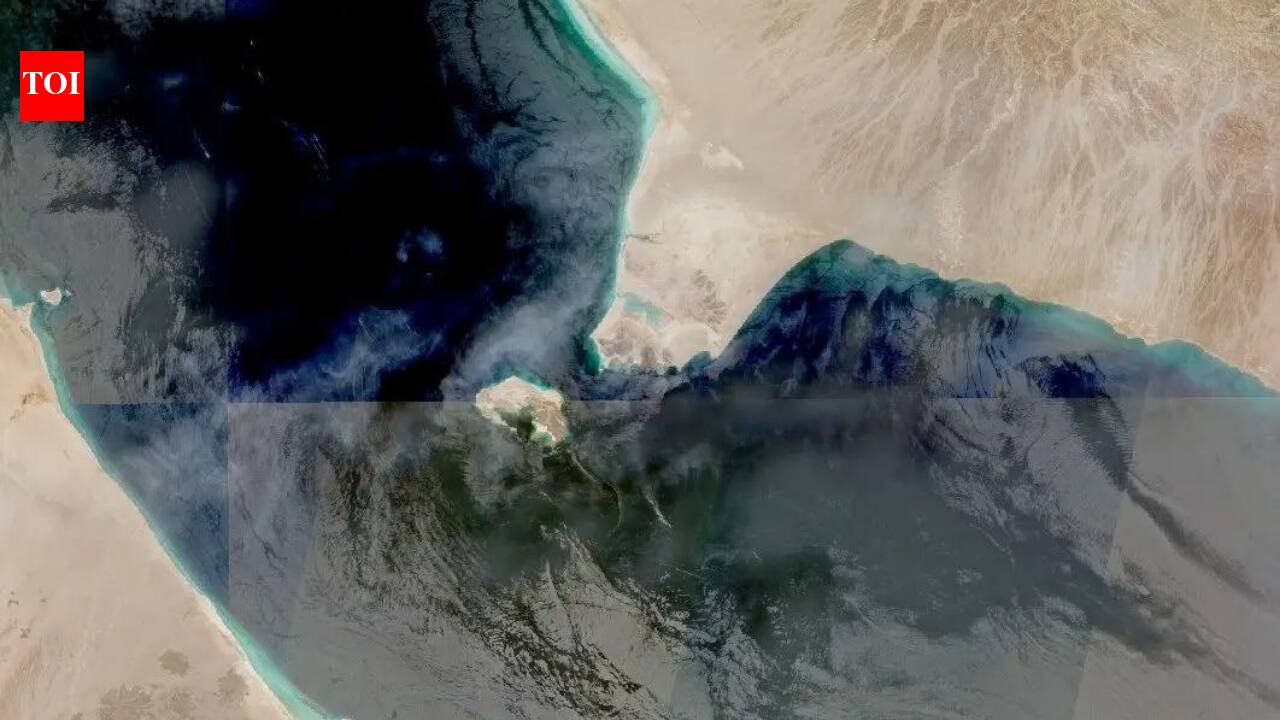
Tankers carrying Saudi crude oil, as well as a Chinese car carrier, have turned back in the Red Sea over the past 24 hours after Yemen’s Houthis declared a naval blockade on Saudi Arabia, threatening the fallback export route the kingdom has relied on since the Strait of Hormuz became too dangerous to use, according to Splash247.
Route Disruptions and Deterrents
The Houthi declaration has immediately impacted shipping lanes. According to Kpler, Bab el-Mandeb crossings averaged 41 vessels a day from July 15-20, already 43% below the 2023 peak, while Saudi loadings through the strait fell 34% in a fortnight. The Strait of Hormuz itself has collapsed to around 12.5 crossings a day, down from a late-June peak of 54.7, with almost all remaining traffic moving through the Iranian unilateral scheme or dark routes. Kpler added that a combined, prolonged disruption of both chokepoints could hit routes carrying roughly a quarter of global oil supply. The planned Suez passage of the 19,000 TEU Majestic Maersk around July 24 is an immediate test, and analysts expect Maersk and Hapag-Lloyd to reverse their July 6 restart decision.
Shipbroker Arrow estimated the volume at risk at 2.9 million barrels per day via Bab el-Mandeb, noting that South Korea and Japan have sourced roughly 30% and 27% of their crude imports from Yanbu since March.
Freight Rates and Cost Implications
Freight costs have surged dramatically. Braemar reported that the embargo threat compounds an already thin VLCC market, with Mideast Gulf earnings to China up almost $85,000 per day since July 6 to $379,000, a premium of nearly $255,000 over Gulf of Oman loadings. The Suez detour adds up to four weeks and higher freight and bunker costs; one charterer sought a 54-day option via Suez and the Cape of Good Hope to South Korea, adding $1.63 per barrel in bunkers alone. A fully laden VLCC cannot transit Suez, so cargo is typically part-discharged into the SUMED pipeline on the Red Sea side and reloaded on the Mediterranean side.
| Metric | Value | Change |
|---|---|---|
| Bab el-Mandeb daily crossings (July 15-20) | 41 | -43% vs 2023 peak |
| Saudi loadings through Bab el-Mandeb (fortnight) | - | -34% |
| Strait of Hormuz daily crossings (current) | ~12.5 | -77% vs late-June peak of 54.7 |
| Mideast Gulf VLCC earnings to China | $379,000/day | +$85,000 since July 6 |
| Gulf of Oman loadings premium vs Mideast Gulf | - | -$255,000 |
| Bunker cost per barrel via Suez/Cape to South Korea | $1.63 | - |
Braemar said US crude exports have already slipped back to pre-conflict levels near 3.48 million barrels a day as the Strategic Petroleum Reserve, now at its lowest since the early 1980s, offers less scope to fill the gap. “We are likely to see a re-emergence of our ‘urgency premium’ for freight,” Braemar warned.
Port and Pipeline Capacity Constraints
Yanbu port, on Saudi Arabia’s Red Sea coast, is now loading around 4 million barrels per day against under 1 million a year earlier, according to shipping analysts at Scandinavian bank SEB. However, SEB noted that Yanbu has “almost no slack to reroute around.” Rerouting north via Suez rather than through Bab el-Mandeb more than doubles the Yanbu-Ningbo voyage from roughly 21 to 49 days. “Insurance appetite, not enforcement capacity, is the binding constraint,” SEB said, adding the outlook turns negative if Saudi barrels are prevented from loading or reaching buyers.
The SUMED pipeline, which bypasses the Suez Canal, is already at its 2.5 million barrel-a-day capacity limit, according to shipbroker Arrow. While more Saudi crude is expected to shift to SUMED towards Europe, headroom is thin. Re-exporting eastbound around the Cape of Good Hope is uneconomic, Arrow said, pushing Asian refiners towards Atlantic producers instead. A 190 million barrel buffer already diverted out of Hormuz cushions Asia for now.
Implications for Shippers and Operators
Asian refiners are actively seeking alternatives. South Korea’s Hyundai Oilbank was seeking a VLCC to load at Yanbu with the option of using Suez and the SUMED pipeline to reach South Korea. The extended voyage via the Cape of Good Hope requires a 54-day option, drastically increasing transit time and costs. With SUMED at capacity and Yanbu constrained, the only viable alternative for East Asian buyers is to source crude from the Atlantic basin, but US exports have already declined. Braemar noted that just 25 compliant VLCCs remain trapped inside the Gulf this time, against more than 60 in March, and Atlantic basin tonnage faces fresh competition as eastern buyers chase scarcer cargoes.
Operators must prepare for sustained high freight rates, war risk premiums, and potential cargo delays. The blockage of both Hormuz and Bab el-Mandeb simultaneously is an unprecedented scenario that could redraw global oil trade routes. As Arrow stated, “Re-routed Gulf oil exports via the Red Sea has been a key stabilising force for global markets. A credible Houthi-led blockade on Saudi exports would accentuate the oil supply disruption, especially as the market has far thinner inventory buffers to work with than earlier this year.”
Sources: