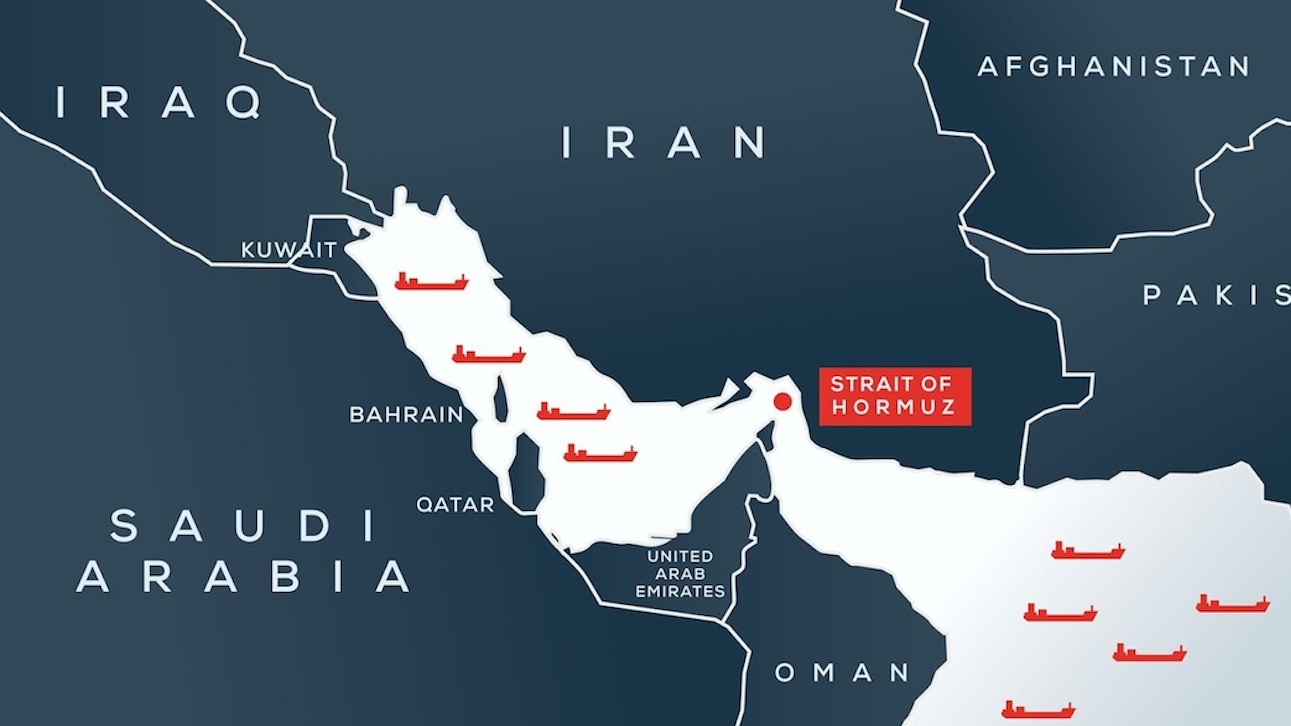
Vessel transits through the Strait of Hormuz are picking up as international efforts intensify to move stranded ships out of the Gulf in a controlled manner, according to Splash247. Allied Shipbroking reported that the waterway has "begun to breathe again, but only just" following the memorandum of understanding signed between the US and Iran, with completed transits rising to their highest levels since the strait effectively closed on February 28, 2026. However, the recovery remains cautious, politically fragile and heavily managed.
Phased Evacuation Plan
Oman announced on Tuesday that it had coordinated with the International Maritime Organization (IMO) to provide a temporary maritime corridor for vessels seeking to transit Hormuz. Ships wishing to use the route will need to coordinate with the IMO and follow coordinates issued by the organisation and Omani authorities, Splash247 reported. The measure is intended to support freedom of navigation through the strategic waterway in accordance with international law and without the imposition of transit fees.
The Oman National Hydrographic Office has requested the promulgation of a navigation warning setting out emergency traffic management measures for the strait. The warning states that the existing traffic separation scheme (TSS) is not safe for use and that two temporary routes may be used by vessels departing through Hormuz, one north and one south of the normal TSS. The plan is built around a phased evacuation of vessel traffic, with ships divided into designated groups and contacted individually with instructions on their allocated transit day.
"The safety of navigation remains the paramount consideration," the warning states, noting the elevated risk of collision in the current environment. Vessels will be directed to a waiting area in international waters before proceeding. Masters are instructed to keep AIS switched on during transit and comply with coastal state instructions via VHF. Oman also warned that traffic may be temporarily suspended for safety or security reasons, including deconfliction with naval vessels.
Risks and Insurance Implications
Insurance giant Allianz published its annual shipping report, noting that there was some $125bn in vessel and cargo value waiting passage from the Persian Gulf with insurers braced for plenty of claims. Captain Rahul Khanna, global head of marine risk consulting at Allianz Commercial, stated: "This is the first time in history that the Strait of Hormuz has been closed – even in the Iran-Iraq war during the 1980s, the strait remained open. For the future, the closure of the strait will remain as a very real – and not just theoretical – disaster scenario for the shipping industry and insurers."
| Key Figure | Source | Value |
|---|---|---|
| Vessel & cargo value waiting | Allianz shipping report | $125bn |
| Stranded seafarers | IMO Sec-Gen Arsenio Dominguez | Over 11,000 |
| Date strait closed | Allied Shipbroking | February 28, 2026 |
IMO Secretary-General Arsenio Dominguez welcomed the US-Iran agreement, describing it as a step towards restoring maritime security after months of attacks on civilian shipping. "We will begin the implementation of the evacuation plan for over 11,000 seafarers still stranded in the region," Dominguez said. He added that the operation would be carried out with Iran, Oman, other coastal states, the US and industry. "We have secured the necessary safety guarantees and have thoroughly verified the conditions for safe navigation," he said.
Despite the improvement in vessel movements, Allied cautioned that traffic is increasing within a "politically time-bound window" rather than under conditions of durable peace. Iran has agreed to establish a communication channel intended to ensure safe passage, while commercial transits have started to recover from crisis lows. But volumes remain below pre-conflict levels and uncertainty over the long-term governance of the strait persists. As Allied put it, the signature on the page has changed the operational picture. It has not yet transformed the underlying risk architecture.
Shipper and Operator Implications
For logistics operators and shippers with cargo or vessels in the Persian Gulf, the phased reopening offers a path to move stranded assets. However, the managed nature of the corridor means that scheduling is controlled by the IMO and Omani authorities—carriers must coordinate with the IMO to secure a transit slot. The requirement for AIS to remain on and compliance with VHF instructions will be critical for safe passage. The elevated risk of collision and potential for temporary suspensions due to naval deconfliction add operational uncertainty. With $125bn in value at stake, marine insurers are likely to scrutinise claims carefully; operators should document any deviations or delays. The evacuation of over 11,000 seafarers will require crew-change planning and possible repatriation logistics.
Watch List
- Traffic volume recovery: Will transit numbers return to pre-February 28 levels? Allied notes volumes remain below baseline.
- Political stability: The current window is politically time-bound; any setback in US-Iran relations could reverse progress.
- IMO coordination: The phased evacuation schedule and communication channels will be tested as more vessels move.
- Insurance market response: Allianz highlights the unprecedented nature of the closure; premiums and war-risk coverage may adjust.
- Safety incidents: The warning notes elevated collision risk; any incident could trigger renewed restrictions.
Sources: