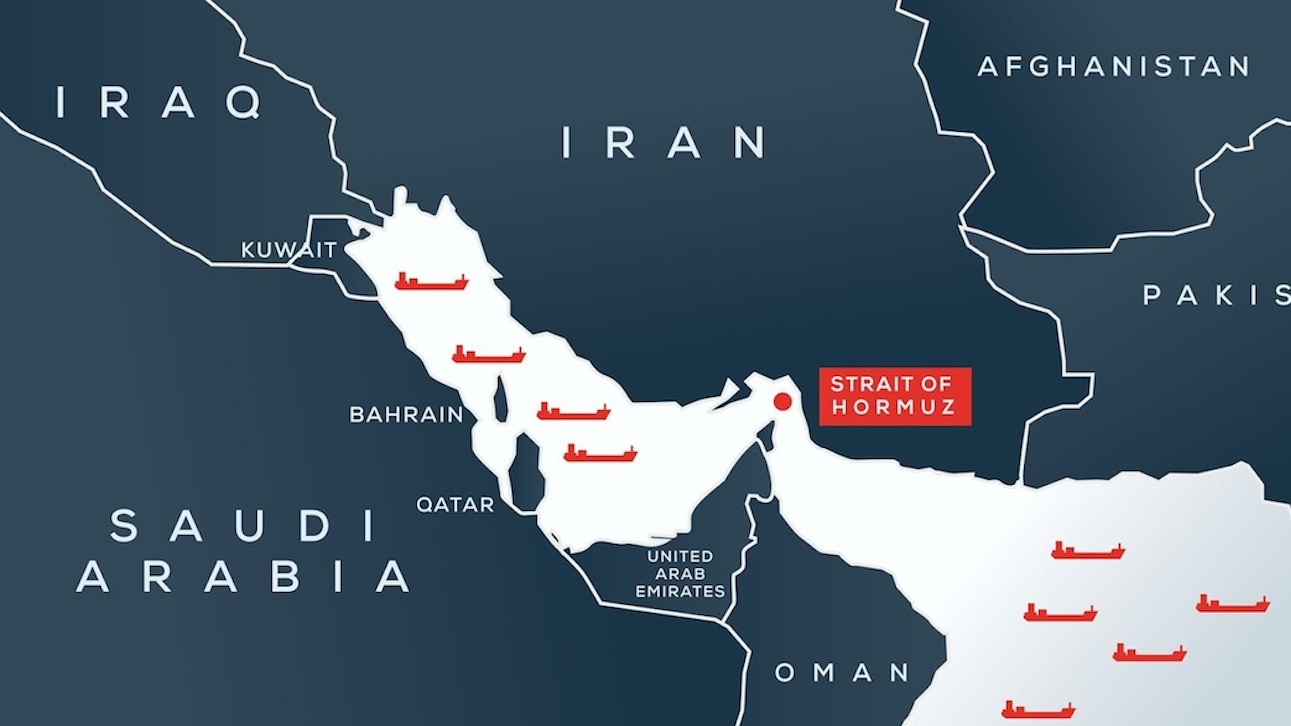
Iran and Oman are expected to unveil a new traffic arrangement for the Strait of Hormuz imminently, with proposed carrier fees of up to 5–7% of cargo value that could add $8m–$11m per VLCC voyage and feed straight into energy supply chains, Splash247 reported. The deal would redraw established shipping lanes and give Tehran a formal role in overseeing vessels entering the Persian Gulf.
Route and fee structure
Iran's foreign ministry said the two countries had agreed the geographical coordinates of a proposed route and were completing a joint statement outlining how it would operate, according to Splash247. "The geographical coordinates of the route envisaged by the two sides have been agreed upon," foreign ministry spokesman Esmaeil Baqaei said, adding that the text was in the final drafting stage.
Reports suggested inbound ships would use a route running largely through Iranian territorial waters, while vessels leaving the Gulf would pass through an Oman-controlled lane. The arrangement would be introduced initially for a limited period, giving both countries time to assess its operation.
The most contentious issue remained whether ships would be required to pay security, environmental or other service fees. A senior Iranian official told Reuters that Iran was looking to fees of 5-7% of the cargo; Oman was discussing fees of half that.
| Proposed fee | Iran | Oman |
|---|---|---|
| Fee as share of cargo value | 5–7% | Roughly half of Iran's level |
| Estimated cost per VLCC | $8m – $11m | $4m – $5m |
| Cost incidence | Pass-through to charterer | Pass-through to charterer |
For spot owners the fee itself would largely be a pass-through – incorporated into the time charter and borne by the charterer, Splash247 reported.
Shipping industry and US opposition
The US has opposed any compulsory charges, arguing that the strait is an international waterway where the right of transit passage must be maintained. Eight of shipping's largest international associations also intervened, writing jointly to UN secretary-general António Guterres and IMO secretary-general Arsenio Dominguez.
- Asian Shipowners' Association
- BIMCO
- Cruise Lines International Association
- European Shipowners
- International Chamber of Shipping
- Intercargo
- Intertanko
- World Shipping Council
The groups warned that service fees could amount to tolls under another name.
Once such a precedent is established, it becomes increasingly difficult to resist similar measures elsewhere.
They argued that compulsory charges would undermine the internationally recognised framework governing straits used for international navigation and would feed through supply chains into higher energy prices, inflation and economic uncertainty, according to Splash247.
Wider Gulf security disruption
Commercial traffic through Hormuz remains severely depressed following months of fighting and attacks on ships, according to Splash247. US president Donald Trump said this week that progress had been made and that an announcement could come soon, although Washington insisted no final agreement had been reached. Any deal would still depend on wider security conditions and the willingness of shipowners, insurers and crews to return to the waterway.
Meanwhile, the Houthis have widened their campaign against Saudi-linked shipping. The group claimed a ballistic missile attack on the product tanker Daisy in the Gulf of Aden. UK Maritime Trade Operations (UKMTO) reported that a tanker experienced a loud explosion in close proximity around 95 nautical miles southeast of Aden on Wednesday. All crew were safe, and no damage or pollution was initially reported. Vanguard Tech identified the vessel as the Dominica-flagged Daisy, saying the explosion occurred around 40 m from its port side and sent a shockwave through the ship. The Houthis subsequently claimed a direct hit that forced the tanker to reverse course, although that assertion was not corroborated.
The incident marked the group's second claimed attack on a Saudi tanker in about 24 hours. Houthi spokesman Yahya Saree said the Saudi-flagged, Bahri-controlled NCC Wafa had been targeted off Yanbu with several ballistic missiles. UKMTO also confirmed that the Indian vessel Faize Noore Oliya was struck by an uncrewed surface vessel southwest of Al Mukha earlier this week.
Shippers' exposure and watch list
Under the proposed fee structure, the cost would largely be a pass-through for spot owners, incorporated into the time charter and borne by the charterer, Splash247 noted. With the US and eight international shipping associations opposing compulsory charges, the final shape of the regime remains uncertain.
- Final wording of the joint statement, including whether compulsory service fees survive.
- Any announcement from the US or the parties involved, after President Trump said progress had been made.
- Further Houthi attacks on Saudi-linked tankers; the group has claimed multiple incidents in the past 24 hours.
- Whether shipowners, insurers and crews are willing to return to the Strait of Hormuz as security conditions evolve.
Sources: