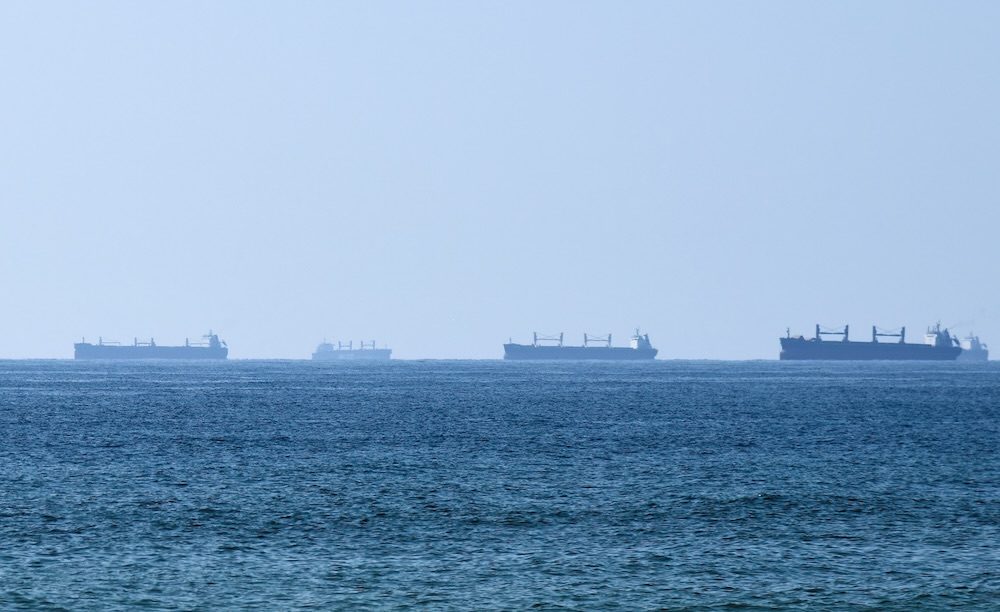
Commercial shipping through the Strait of Hormuz remains near paralysis despite the quietest weekend in nearly two weeks, as a pause in US and Iranian attacks failed to restore confidence among shipowners, according to Splash247.
Shipping Paralysis Persists
Splash247 reported that the Pentagon halted its bombing campaign late on Friday after 13 consecutive nights of strikes, and no fresh US or Iranian attacks were reported during the weekend. US Ambassador to the United Nations Mike Waltz said the pause was intended to give diplomatic discussions more room. However, the calm has yet to translate into confidence among shipowners. The seven-day moving average of crude tanker transits through Hormuz stands at approximately one vessel per day, with total commercial traffic running at around 12 daily passages.
| Metric | Value |
|---|---|
| Seven-day moving average of crude tanker transits | ~1 vessel/day |
| Total commercial traffic (daily) | ~12 passages |
New Insurance Risk for Shipowners
Shipowners paying tolls or other charges to secure passage through the Strait of Hormuz risk losing hull cover under new model wording published by the Lloyd's Market Association (LMA), Splash247 reported. The LMA5708 Strait of Hormuz Transit Fee Condition states that insurers will not reimburse financial or non-financial transit payments. Where the clause has been incorporated into a policy, cover for the relevant vessel will also cease once such a payment has been made. The wording was developed amid concerns that payments connected to passage through Iranian territorial waters could breach sanctions or terrorism legislation in the US, UK or European Union. The LMA stressed that the wording is a model clause rather than a mandatory market-wide condition; underwriters and insured parties remain free to agree different terms.
CENTCOM Enforcement Operations Continue
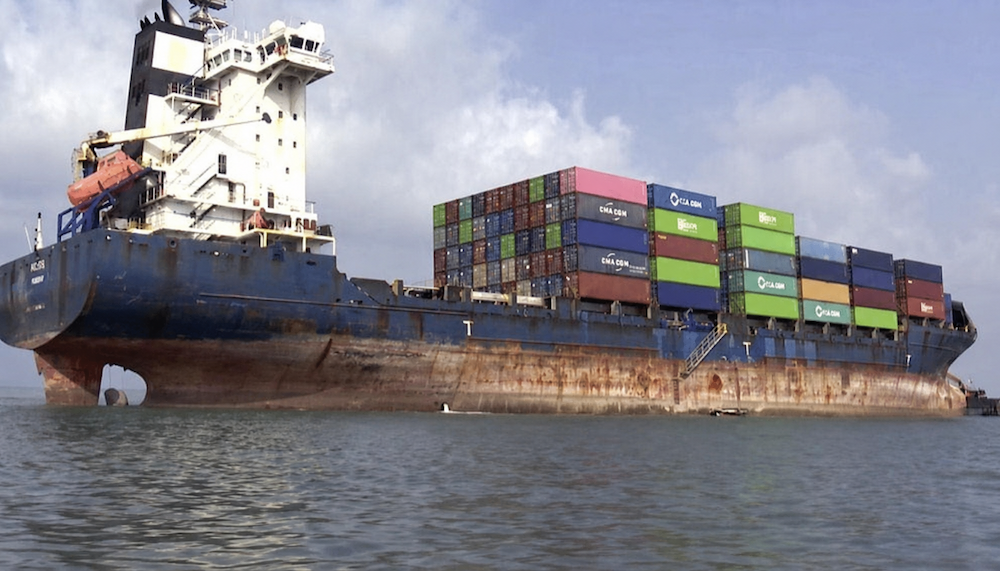
US Central Command (CENTCOM) carried out multiple enforcement operations during the period, according to Splash247. On Friday, CENTCOM said its forces disabled a tanker identified as Lavine in the Gulf of Oman after the ship allegedly attempted four times to breach Washington’s blockade of Iranian ports. US forces fired into the engine room after the crew reportedly ignored repeated warnings. Separately, India’s embassy in Tehran reported that the Mozambique-flagged LPG carrier Disha had been attacked in Iranian territorial waters; all 28 Indian seafarers onboard were confirmed safe. Splash247 noted that TankerTrackers.com subsequently said the vessel identified by CENTCOM as Lavine was actually Disha, which is under US sanctions and has previously been accused of transporting Iranian LPG to the Houthis. Commercial databases, however, also list Lavine as a separate 279,000 dwt VLCC, leaving the official identification unresolved. Video released by an Indian seafarers’ union showed flames close to the vessel’s funnel and engine-room area, broadly consistent with CENTCOM’s account, although the footage did not establish precisely where the ship was hit.
On July 25, CENTCOM boarded the Comoros-flagged products tanker Charminar in the Arabian Sea before allowing it to continue. The vessel was sanctioned last year for alleged links to the Shamkhani shipping network and the movement of Iranian fuel to Yemen. Washington said that since reinstating the blockade it had redirected 12 commercial vessels, disabled two, and boarded two to verify compliance.
Red Sea Tensions Spread
While Hormuz enjoyed a temporary lull, the Red Sea remained on edge, Splash247 reported. The Houthis have declared a maritime embargo against Saudi Arabia and threatened Saudi-linked shipping at Bab el-Mandeb. The group claimed attacks last week on the Saudi tankers Encelia and Layla.
Watch List
- Diplomatic progress: Any outcome from US-Iran talks could shift risk perception.
- Insurance clauses: Adoption of LMA5708 wording by underwriters may vary, affecting coverage costs.
- Further CENTCOM actions: Additional boardings or disablements could escalate or deter blockade runners.
- Red Sea attacks: Houthi operations against Saudi-linked vessels may disrupt alternate routes.
Sources: