iGEN
Visit IGEN World Explore IGEN Expo
EXPLORE UPGRADE PLANS
BREAKING
CMA CGM and Stonepeak Launch United Ports LLC in $2.4 Billion Terminal Joint Venture UPS shift away from Amazon shows bigger payoff Lanesurf: 62% of Loads Get Vetted Carrier Offers Before Brokers Arrive India-China Border Trade Via Lipulekh Resumes Aug 1; China Permits 20 Traders Geopolitics Drives CMA CGM Q2 Profit Surge of 42% as Volumes and Rates Climb Benchmark Diesel Price Rises Third Week as Futures Plunge; Spread Hits Record Indian Government Limits Sugar Dealers to 400 Tonnes Stock Until November to Curb Hoarding Tenants signing longer leases for larger warehouses as 3PLs lock in capacity US stock market flat as S&P 500 and Dow barely move, Nasdaq slides over 1% on chip rout TruAlt Bioenergy Q1 Net Zooms to ₹59.27 Crore on Higher Revenues, Capacity Expansion CMA CGM and Stonepeak Launch United Ports LLC in $2.4 Billion Terminal Joint Venture UPS shift away from Amazon shows bigger payoff Lanesurf: 62% of Loads Get Vetted Carrier Offers Before Brokers Arrive India-China Border Trade Via Lipulekh Resumes Aug 1; China Permits 20 Traders Geopolitics Drives CMA CGM Q2 Profit Surge of 42% as Volumes and Rates Climb Benchmark Diesel Price Rises Third Week as Futures Plunge; Spread Hits Record Indian Government Limits Sugar Dealers to 400 Tonnes Stock Until November to Curb Hoarding Tenants signing longer leases for larger warehouses as 3PLs lock in capacity US stock market flat as S&P 500 and Dow barely move, Nasdaq slides over 1% on chip rout TruAlt Bioenergy Q1 Net Zooms to ₹59.27 Crore on Higher Revenues, Capacity Expansion
Home ›› Logistics ›› Shipping Freight ›› Tankers Lng ›› Hormuz dispute shifts from access to control as containership grounding highlights risks

Hormuz dispute shifts from access to control as containership grounding highlights risks

Indirect US-Iran talks in Doha yielded only a seven-day quiet period on the Strait of Hormuz, with negotiations deadlocked over joint sovereignty and tolling proposals. A Comoros-flagged containership sanctioned under OFAC ran aground after deviating from Iran's approved corridor, exposing the operational risks for vessels transiting the waterway. The dispute has shifted from access to control, with Iran demanding passage fees and warning of 'irreversible incidents' for non-compliant ships.

iG
iGEN Editorial
July 2, 2026
Hormuz dispute shifts from access to control as containership grounding highlights risks

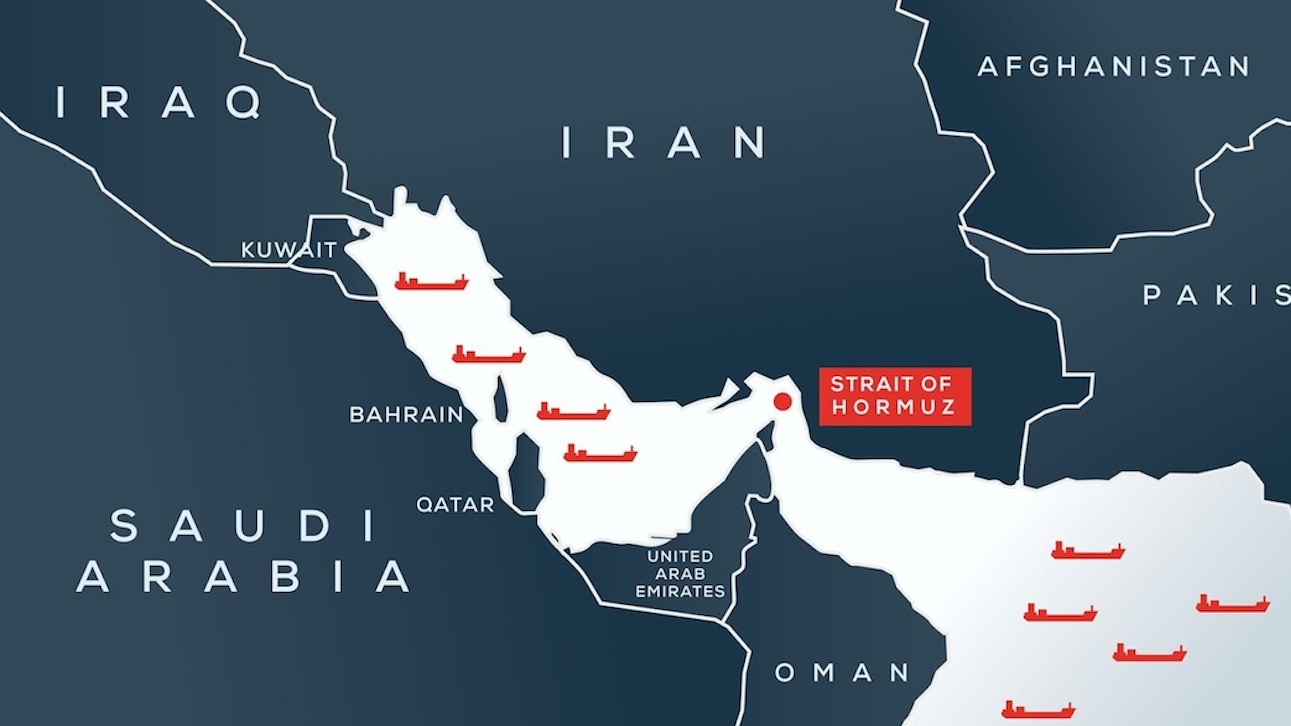
A diplomatic deadlock over the Strait of Hormuz has shifted from a question of access to one of outright control, raising the operational risk profile for every vessel moving through the world's busiest energy chokepoint. According to Splash247, indirect technical talks between Washington and Tehran in Doha concluded this week with a narrow understanding to keep the strait quiet for seven days—buying time for negotiations that remain deadlocked over a memorandum of understanding (MOU) both sides have already signed.

Talks stall as sovereignty claim hardens

The assessment from those close to the talks was bleak, Splash247 reported. The collapse of the initial MOU currently looks more likely than agreement on a final deal. Iran's parliamentary speaker and chief negotiator Mohammad Baqer Qalibaf was categorical, saying Iran was "currently not negotiating with the United States at all." Qatar's Foreign Ministry confirmed that no direct high-level meetings between US and Iranian officials took place, with technical delegations alternating between Doha and other locations to preserve a communication mechanism established during the Switzerland talks.

The core dispute has not shifted. Iran is insisting on joint sovereignty over the strait alongside Oman, with both countries to administer it and collect passage fees once the 60-day MOU period expires. Washington's position is that any new arrangements in an international waterway must be endorsed by Gulf countries more broadly. US secretary of state Marco Rubio has said previously that an Iranian tolling system would make a diplomatic deal unfeasible. Oman has separately delivered a proposal to the US and allies under which shipping companies would pay service fees to use the waterway—a development that has alarmed Western governments and Gulf allies who fear it could lay the groundwork for a joint Iran-Oman fee regime on one of the world's busiest energy corridors.

Grounding incident raises stakes

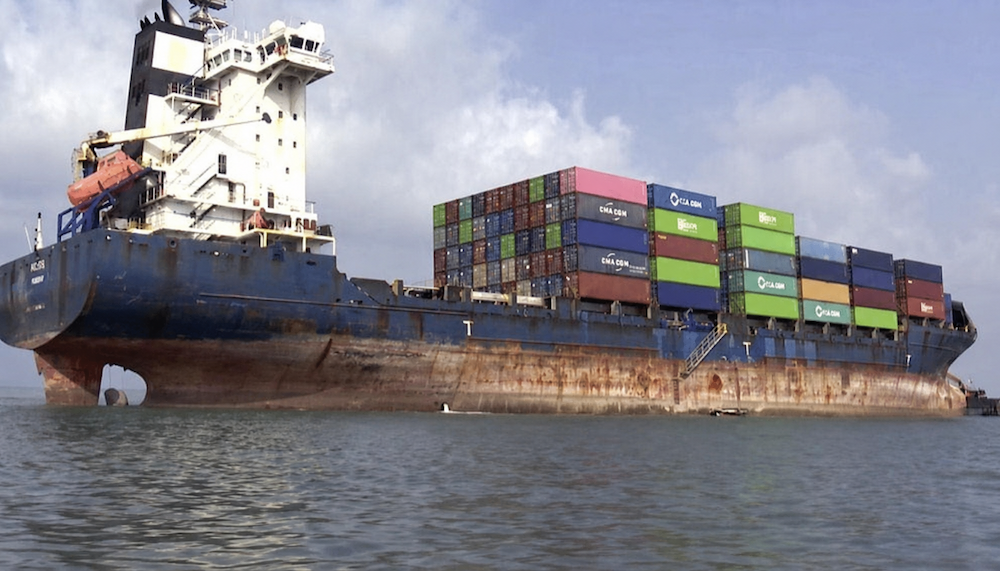
Into that already volatile picture dropped a grounding that told a larger story than any single navigational incident normally would, Splash247 reported. Iranian state media reported on Tuesday that a foreign containership had run aground in shallow waters after failing to use Tehran's approved passage route through the strait, using the incident to demand that vessels coordinate transit through what it calls its authorised corridor south of Larak Island. Iran warned that choosing routes other than its designated passage "may lead to irreversible incidents."

Maritime intelligence outfit TankerTrackers.com subsequently identified the vessel as the Comoros-flagged containership Arista, a 20,643 dwt vessel built in 2006 and listed under US Treasury OFAC Iran-related sanctions in July 2025 under the name Gauja, associated with Reel Shipping. Public AIS data showed the vessel's navigational status as aground at coordinates north of Hormuz Island—and, critically, showed it had been in that position since mid-March 2026. TankerTrackers.com also noted the ship forms part of an operation managed by Mohammad Hossein Shamkhani, son of the late senior Iranian security official Ali Shamkhani.

Operational implications for shippers and carriers

The standoff presents immediate practical challenges for ocean carriers, tanker operators, and freight forwarders moving cargo through the Strait of Hormuz. Any vessel deviating from Iran's designated corridor—even accidentally—now risks grounding or worse, as demonstrated by the Arista. Shippers should verify that their carriers and vessels have validated passage plans that align with the latest navigational warnings from both Iran and the UAE's maritime authorities. The seven-day quiet period provides a temporary window, but the risk of escalation is high.

Stakeholder Position Key concern
Iran Joint sovereignty with Oman; passage fees Control over corridor south of Larak Island
United States Endorsement by Gulf countries needed Iranian tolling system unfeasible
Oman Service fees to use waterway Proposed fee regime alarms Western allies
Shipping operators Need clear, safe passage Grounding risk; potential for detention or sanctions exposure

Watch list

  • Days 14–60 of MOU window: If no deal emerges, Iran may unilaterally enforce passage fees.
  • Status of the Arista: Any salvage or military intervention could trigger a wider incident.
  • Oman's fee proposal: Further details on proposed service fees and shipper liability.
  • Carrier advisories: Major lines may begin rerouting around the strait or imposing war-risk surcharges.

Sources: Splash247 Maritime

Keep Reading

Recommended Stories

Strait of Hormuz Security Collapses as US and Iran Trade Fresh Military Strikes Logistics

Strait of Hormuz Security Collapses as US and Iran Trade Fresh Military Strikes

The 14-point ceasefire for the Strait of Hormuz collapsed over the weekend as US and Iranian forces exchanged strikes following drone attacks on two commercial vessels. The Panama-flagged tanker Kiku and containership Ever Lovely were hit, with Iran threatening stricter routing enforcement. Oman has proposed an alternative corridor, but shipping through the strait is unlikely to return to pre-conflict arrangements.

June 29, 2026
Hormuz crisis reaches final form: double tolls, dual routes, and paralysis for shipping Logistics

Hormuz crisis reaches final form: double tolls, dual routes, and paralysis for shipping

The Strait of Hormuz has become the world's first double-tolled chokepoint after the US announced a 20% levy on all cargo transiting the strait, while Iran continues collecting fees from 'friendly' vessels. The dual pricing, along with two rival traffic routes and two irreconcilable geopolitical worldviews, is creating paralysis across ocean freight, especially for oil and LNG tankers. P&I clubs, charterers and traders have no precedent to price the risk.

July 14, 2026
Trump Monetises Hormuz Security as Tanker Attack Kills Indian Seafarer and US Reimposes Iran Blockade Logistics

Trump Monetises Hormuz Security as Tanker Attack Kills Indian Seafarer and US Reimposes Iran Blockade

A UAE-flagged tanker was struck by Iranian missiles in the Strait of Hormuz, killing an Indian crew member, as the US resumed its blockade of Iranian ports and President Trump announced a 20% toll on all cargo transiting the waterway. DP World is planning a new port at Fujairah to bypass the strait.

July 14, 2026
Four Oil and Gas Tankers Turn Back from Strait of Hormuz After Renewed Vessel Attacks Logistics

Four Oil and Gas Tankers Turn Back from Strait of Hormuz After Renewed Vessel Attacks

At least four oil and gas tankers have turned back from the Strait of Hormuz after renewed attacks on vessels in the critical waterway. The diversions follow damage to a Qatari LNG tanker and a Saudi-flagged crude oil tanker, prompting a 'severe' threat risk for transiting vessels. The disruptions affect LNG and crude oil flows from Qatar and the UAE, with a queue of ballast vessels building up at Qatar's Ras Laffan export facility.

July 8, 2026