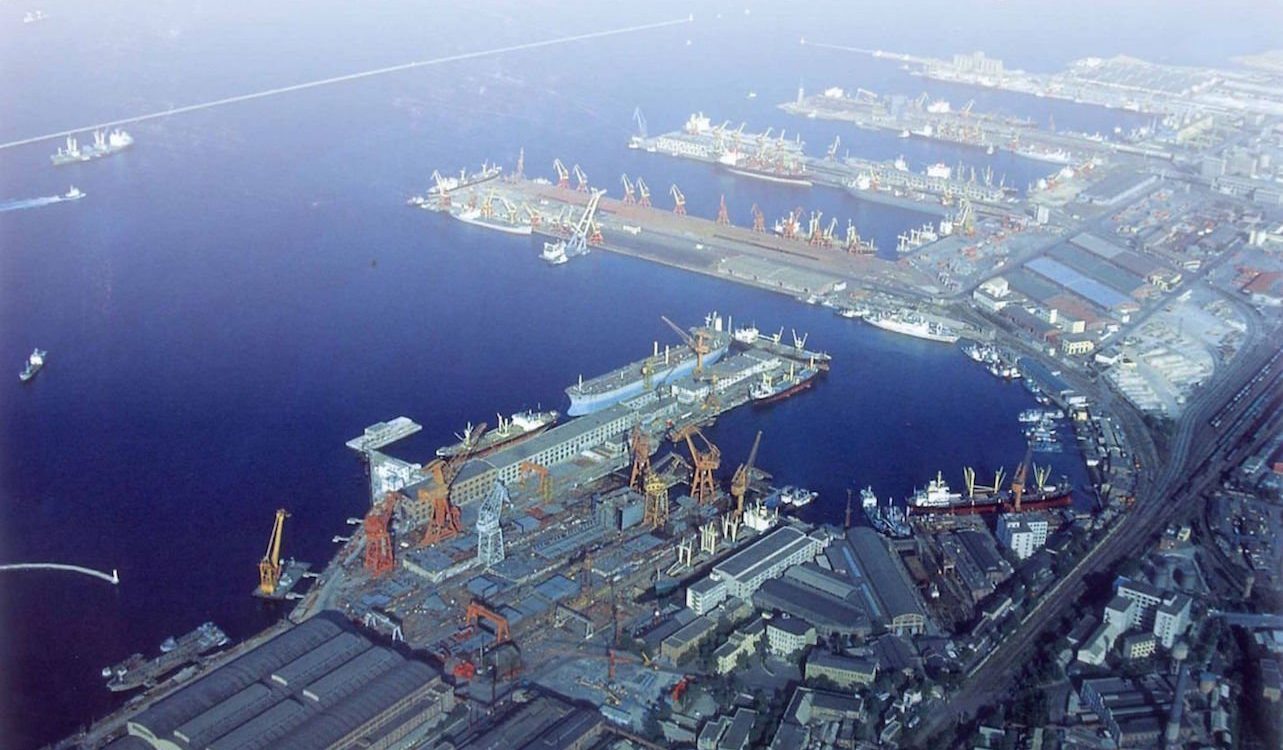
South Africa's Transnet National Ports Authority (TNPA) has embarked on a significant infrastructure project by signing a 25-year terminal operator agreement with Ukwanda LNG for the development of an onshore LNG regasification facility at the Port of Ngqura. This initiative, valued at approximately ZAR 22bn ($1.35bn), aims to position Ngqura as a strategic energy hub, advancing the nation's energy security and industrial growth.
Strategic Energy Infrastructure
The development is a direct response to South Africa's Just Energy Transition programme, which seeks to unlock a planned 6GW gas-to-power pipeline. The LNG facility will serve as critical fuel infrastructure to support a 3GW gas-to-power allocation, providing lower-carbon baseload electricity to complement South Africa’s growing renewable energy mix.
"By formalising this terminal operator agreement, TNPA is not only executing its landlord mandate, but actively constructing the foundational infrastructure necessary to support industrial growth and facilitate the delivery of reliable, lower-carbon energy into the national grid," said Michelle Phillips, Transnet chief executive.
Project Scope and Economic Impact
The project includes a temporary floating unit and the construction of permanent onshore infrastructure to supply gas to off-takers, industry, data centres, and independent power producers. It will enable the production of around 3.5GW of electricity within the Coega Special Economic Zone. A dedicated ZAR 2bn ($123m) LNG berth will be constructed by TNPA simultaneously with the onshore facility, targeting full operationalisation by 2035.
| Project Component | Cost (ZAR) | Cost (USD) |
|---|---|---|
| Onshore LNG Facility | 22bn | 1.35bn |
| LNG Berth | 2bn | 123m |
Employment and Economic Benefits
The construction phase is expected to create over 500 jobs during the approximately 36-month period and 50 permanent jobs post-construction. This will drive investment, skills development, and industrial growth in the Eastern Cape.
Watch List
- Regulatory Approvals: Monitoring the progress of necessary regulatory approvals and environmental assessments.
- Construction Milestones: Key construction milestones and potential delays.
- Energy Market Dynamics: Changes in global LNG demand and pricing that could impact project economics.