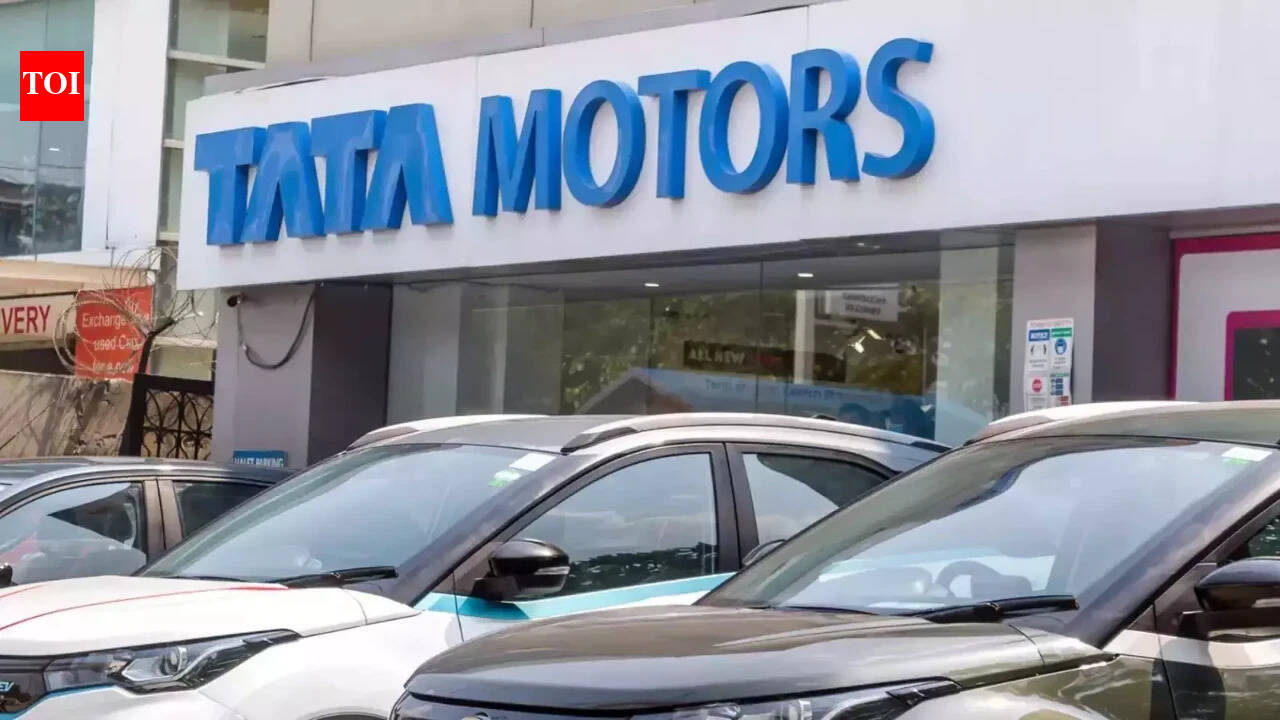
Tata Motors operates 11 registered vehicle scrapping facilities (RVSFs) across 10 states — excluding the southern region — with the capacity to dismantle more than 1.9 lakh vehicles annually, according to a Business Today report. The company stands to benefit from the Centre’s push to retire ageing commercial vehicles as India intensifies efforts to curb vehicular pollution.
Policy Boost for Scrappage Activity
Last week, the Union cabinet approved a Rs 9,585-crore two-year scheme to replace ageing trucks and buses in the Delhi-NCR region, the report stated. This move is expected to boost vehicle scrappage activity and demand for cleaner vehicles. Owners of old commercial vehicles will have access to formal recycling ecosystem and incentives under the programme.
Tata Motors' RVSF Network and Market Strength
Tata Motors operates its scrappage facilities under the Re.Wi.Re (Recycle with Respect) initiative. Several facilities are located in Delhi-NCR, Haryana, Rajasthan and Uttar Pradesh, strategically positioning the company to benefit from increased scrapping volumes. The company commands more than 50% market share in the medium and heavy truck segment across these four states, according to the source. It is also steadily expanding its RVSF network.
| State/Region | Tata Motors' Market Share (Medium & Heavy Trucks) | RVSF Presence |
|---|---|---|
| Delhi-NCR | >50% | Yes |
| Haryana | >50% | Yes |
| Rajasthan | >50% | Yes |
| Uttar Pradesh | >50% | Yes |
| Other 6 states | Not specified | Yes |
Strategic Regional Advantage
The concentration of Tata Motors' scrapping facilities in the northern region aligns with the government's Delhi-NCR-focused scheme. This geographic overlap means that as vehicle owners seek to scrap old trucks and buses, they are likely to turn to Tata's formal recycling network. The report noted that the policy could provide a strong tailwind for the company.
Implications for Manufacturing and Supply Chain
For industrial executives and procurement professionals, this development signals potential shifts in raw material supply chains. Formal scrapping facilities enable OEMs like Tata Motors to secure recycled metals and components, reducing reliance on virgin materials. The scheme also drives demand for new commercial vehicles, which could boost production at Tata Motors' manufacturing plants. With a two-year timeline, the company is positioned to capture a significant share of replacement demand given its dominant market position.
The expansion of the RVSF network also reflects a broader industry trend toward sustainable manufacturing. As India pushes for tighter emission norms and vehicle scrappage policies, OEMs with established recycling infrastructure will have a competitive advantage in both cost and regulatory compliance.
Sources: