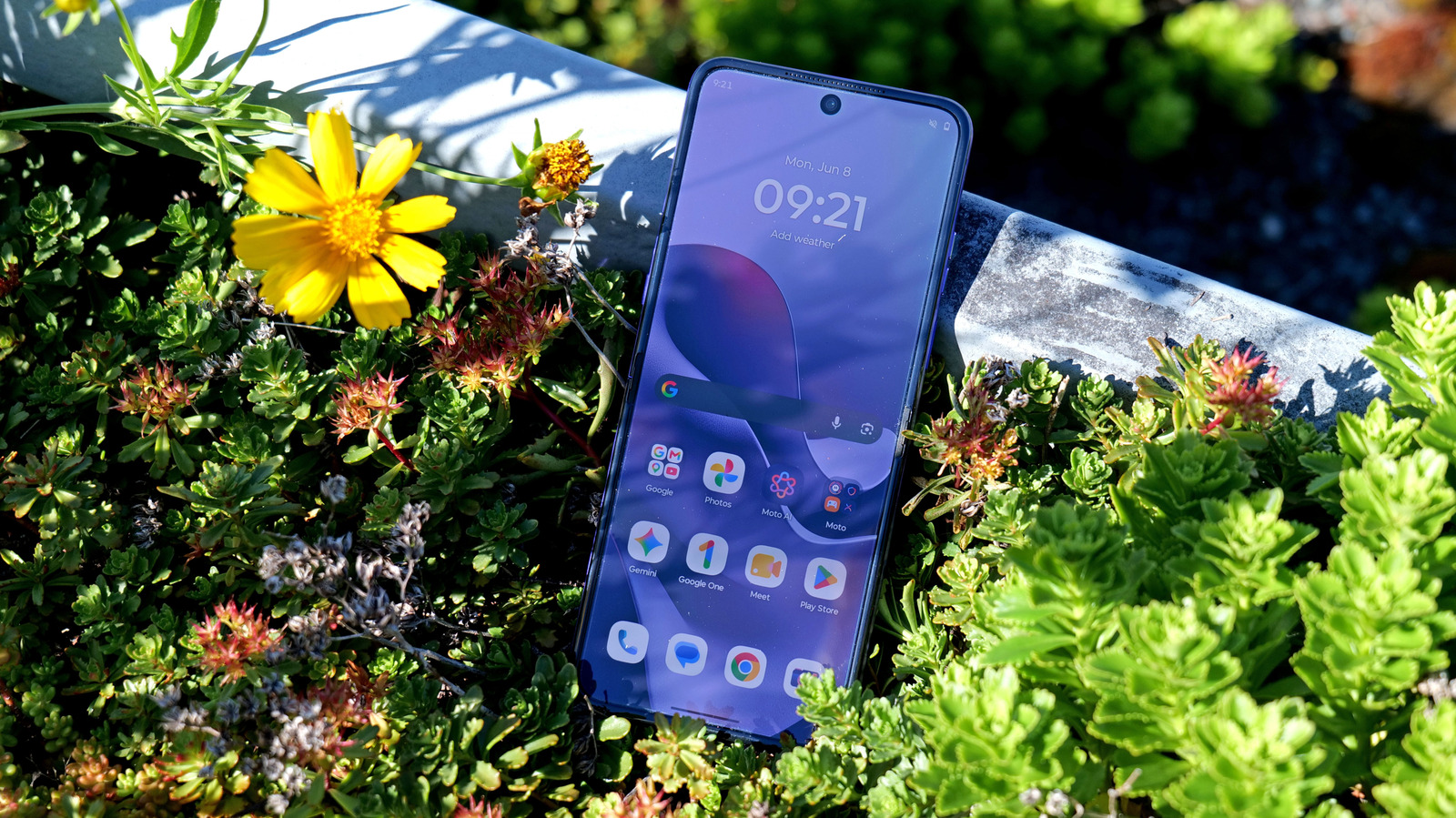
As memory costs surged by 8-12% in early 2026, smartphone brands have been forced to adjust features to maintain price stability. Xiaomi Redmi, Oppo, and Realme are among those tweaking camera resolution, display technology, and weight in their latest models.
Rising Costs and Strategic Adjustments
The increase in memory costs has hit entry-level and base segment smartphones hardest, particularly in the sub-₹20,000 range. To offset these costs, brands are compromising on features such as audio quality and in-box add-ons.
"This is a trade-off that happened even when 5G phones came about," said Faisal Kawoosa, Chief Analyst and Founder of Techarc.
Impact on High-End Models
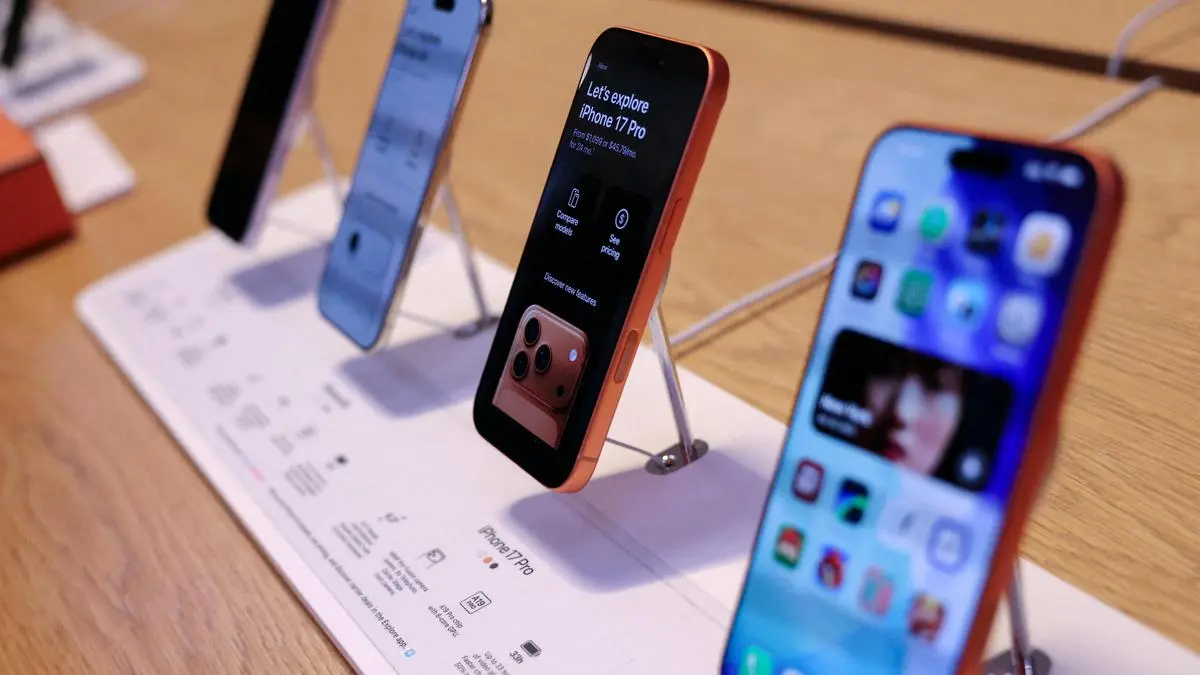
High-end models like the iPhone 17e have also been affected, with a 15.6% increase in the Bill of Materials cost compared to the iPhone 16e. Apple is adjusting by compromising on display features.
Market Implications
A joint study by Techarc and Trakin Tech suggests that 25-30% of annual smartphone sales could be affected if prices continue to rise. 54% of current demand may not convert into purchases this festive season.
| Brand | Memory Cost Increase | Feature Adjustments |
|---|---|---|
| Xiaomi Redmi | 8-12% | Camera, Display |
| Oppo | 8-12% | Audio, Add-ons |
| Realme | 8-12% | Weight, Display |
Future Outlook
Analysts expect the price rise to continue, with IDC predicting a worsening cost dilemma in Q2 2026. Upasana Joshi, Senior Research Manager at IDC, noted that brands are urging consumers to buy now as prices are unlikely to decrease.
Production timeline changes are expected to take effect in the coming months, as brands continue to navigate these cost challenges.