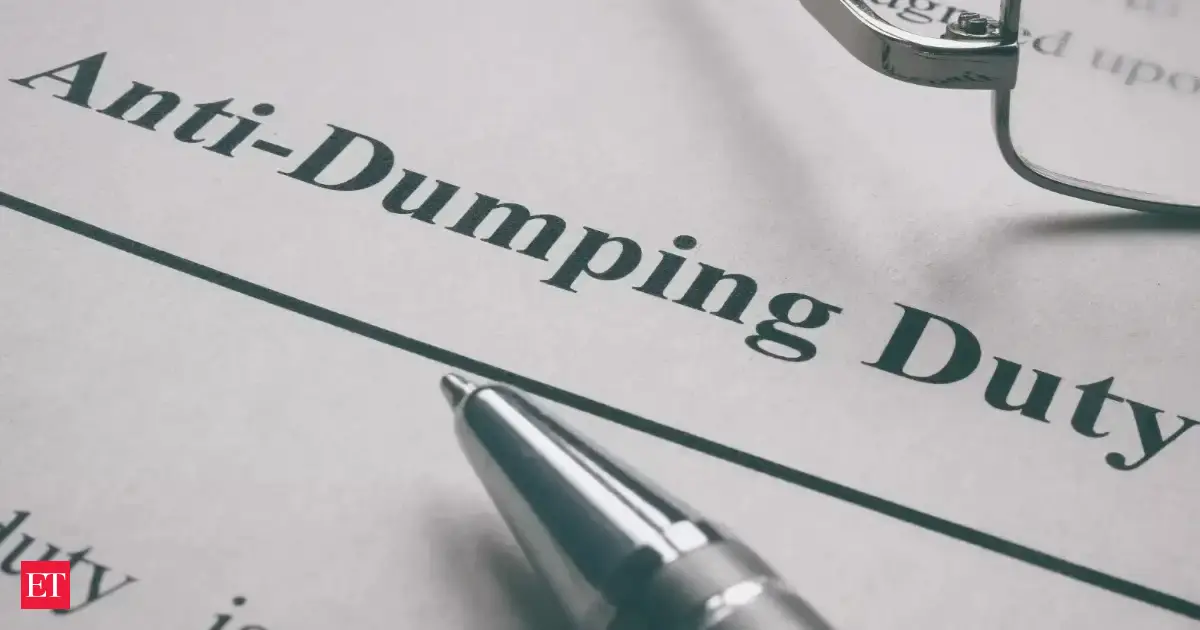
Effective June 10, 2026, the Commerce Ministry has escalated the issue of rising rejections of anti-dumping duty recommendations to the highest level, according to a report by the Economic Times. This move comes in response to the Finance Ministry's increasing rejection of recommendations made by the Directorate General of Trade Remedies (DGTR), which is responsible for protecting domestic industries from unfair trade practices.
Rising Rejection Rates
The DGTR, an arm of the Commerce Ministry, conducts investigations into anti-dumping, anti-subsidy, and safeguard measures, recommending appropriate actions to the government. Historically, India implemented nearly 99.5% of these recommendations until 2020. However, the rejection rate has sharply increased to 81% during November 2025-April 2026, compared to 16% in the previous period from April-November 2025.
Impact on Domestic Industries
According to the C-DEP Research and Centre for WTO Studies report titled "Impact of Anti-Dumping Duties in India," the non-implementation of these duties has resulted in significant economic consequences. The report highlights an annual economic loss of Rs 11,938 crore to the domestic industry. Furthermore, imposing these levies could potentially generate an additional Rs 28,540 crore annually in foreign exchange by reducing imports.
"Non-implementation of anti-dumping duties reduces domestic capacity utilisation, thereby significantly dampening committed and new investments," the report states.
Compliance Obligations
The DGTR's role is crucial in ensuring compliance with domestic laws and India's obligations under the World Trade Organisation (WTO) framework. The Finance Ministry, however, holds the final authority to impose these duties. The Commerce Ministry is actively engaging in discussions to address the reasons behind the Finance Ministry's rejections, although specific reasons are often not disclosed.
Penalties and Economic Implications
The lack of implementation of recommended anti-dumping duties not only affects domestic industries but also weakens long-term industrial resilience and increases the supply-demand gap in the economy. The economic implications underscore the importance of addressing these rejections to bolster domestic industries and enhance economic stability.
Resources and Guidance
- Directorate General of Trade Remedies (DGTR): Responsible for conducting investigations and recommending measures.
- World Trade Organisation (WTO): Provides the framework for international trade obligations.
The ongoing discussions between the Commerce and Finance Ministries highlight the critical nature of these anti-dumping duties in protecting domestic industries and maintaining economic balance.
Sources: