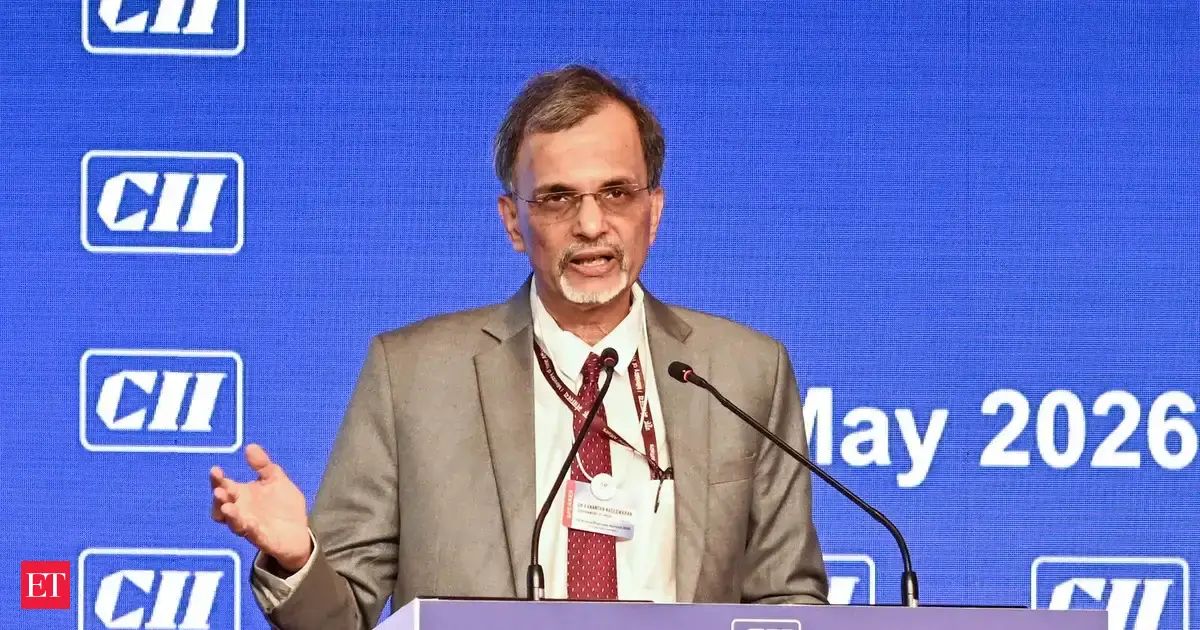
India is well positioned to become one of the anchors of Asia's regional value chains as the global economy shifts towards the Global East, according to Priyam Gandhi-Mody, Executive Director of FECC, speaking at the GEC East event in Singapore.
GEC East: A Platform for Global East Cooperation
The GEC East event was conceived in response to a fundamental shift in the global economy, according to Gandhi-Mody. The gathering has brought together policymakers, sovereign investors, business leaders, financial institutions, academics, and industry experts to discuss the next phase of economic cooperation across Asia and the Indo-Pacific. Gandhi-Mody described the event as a platform for practical conversations around the transition from established markets to the Global East as a driver of trade, investment, manufacturing, and innovation. Singapore was chosen because it sits at the intersection of the Indo-Pacific and serves as a trusted connector between governments, capital, and business.
"We are moving away from an era where economic growth was driven by a handful of established markets towards one in which the Global East is becoming a much larger driver of trade, investment, manufacturing and innovation."
India's Role in Regional Value Chains
Gandhi-Mody highlighted that India is well placed to anchor Asia's value chains. She noted that investors are now looking for trusted partners, resilient supply chains, policy stability, and long-term growth opportunities. Conversations have moved beyond attracting capital into individual projects; investors increasingly want to participate in entire ecosystems, whether in electronics manufacturing, healthcare innovation, clean energy, digital infrastructure, or advanced manufacturing. India, she said, is well positioned to become one of the anchors of these regional value chains.
Manufacturing is becoming a strategic issue rather than simply an industrial one. Gandhi-Mody emphasized that countries cannot rely on efficiency alone; they also need resilience, trusted production networks, and diversified supply chains. At FECC, the belief is that the next phase of industrial growth will be built through regional partnerships rather than isolated national strategies. The conversation is now about identifying complementary strengths and building integrated manufacturing ecosystems.
India has made significant progress through initiatives such as Make in India and the Production Linked Incentive (PLI) schemes. Meanwhile, ASEAN economies have developed deep manufacturing capabilities across sectors including electronics, automotive, and precision engineering. Gandhi-Mody stated that one of FECC's priorities at GEC East is to explore how these strengths can become more integrated, creating regional value chains that are more competitive, resilient, and globally relevant.
Supply Chain Resilience and Strategic Sectors
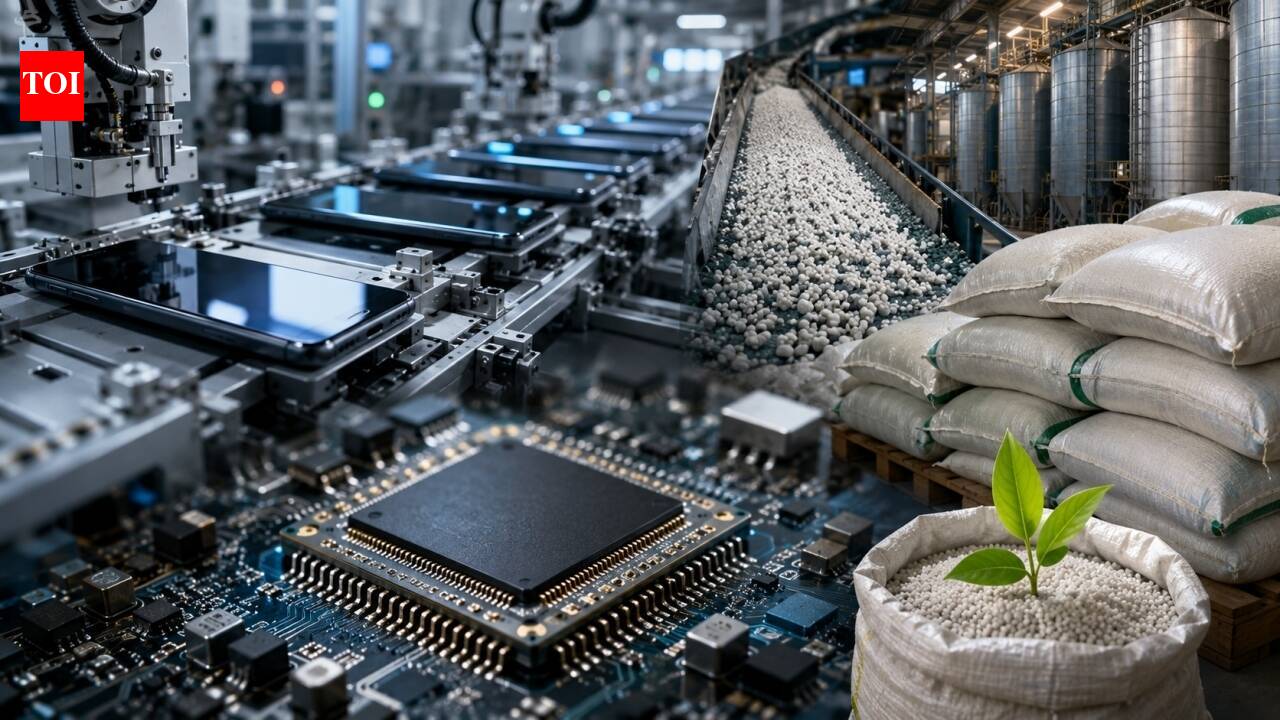
Supply chain resilience has moved well beyond logistics, becoming a question of economic security. The sectors attracting the greatest attention are those that underpin long-term economic competitiveness, according to Gandhi-Mody. These include:
- Semiconductors and electronics
- Pharmaceuticals and healthcare
- Critical minerals
- Clean energy technologies
- Digital infrastructure
- Advanced manufacturing
| Sector | Focus Areas |
|---|---|
| Semiconductors & Electronics | Regional integration of manufacturing capabilities |
| Pharmaceuticals & Healthcare | Resilient production networks |
| Critical Minerals | Secure supply chains for clean energy |
| Clean Energy Technologies | Investment in renewable energy infrastructure |
| Digital Infrastructure | Data centers, cloud, and connectivity |
| Advanced Manufacturing | Automation, precision engineering, and PLI-driven growth |
"Supply chain resilience has moved well beyond logistics. It is increasingly becoming a question of economic security."
The GEC East event is designed to facilitate cooperation across these sectors, with sessions built around identifying opportunities for cooperation in infrastructure, manufacturing, healthcare, technology, the digital economy, energy, and investment. Gandhi-Mody stressed that the discussions reflect a larger reality: the future of economic cooperation will increasingly depend on stronger partnerships across Asia and the wider Global East.
What This Means for Your Procurement Team
For procurement and supply chain leaders, the message is clear: diversification and regional integration are becoming strategic imperatives. India's progress under Make in India and PLI schemes offers opportunities to source from a stable, policy-driven manufacturing base. ASEAN's deep capabilities in electronics and precision engineering provide complementary strengths. Companies should evaluate their exposure to single-source dependencies and explore integrated sourcing strategies across these regions. The emphasis on critical minerals, semiconductors, and clean energy indicates where future supply chain risks and opportunities will concentrate. Engaging with platforms like GEC East can provide early insights into emerging partnerships and investment flows.
Sources: