Enterprise technology decision-makers planning AI-driven customer or workforce automation face a fresh reminder of regulatory fragmentation: Apple has indefinitely delayed the release of Siri AI on iPhones and iPads in the European Union, according to an Engadget report. The conflict stems from the EU's Digital Markets Act (DMA), which Apple says would force any AI system to have "nearly unlimited access to a user's device" and the ability to "act on that access autonomously without a user's ongoing visibility and control." For companies integrating AI assistants into mobile workflows, the delay underscores how regional compliance can stall software rollouts even for a tech giant.
The Delay Announcement
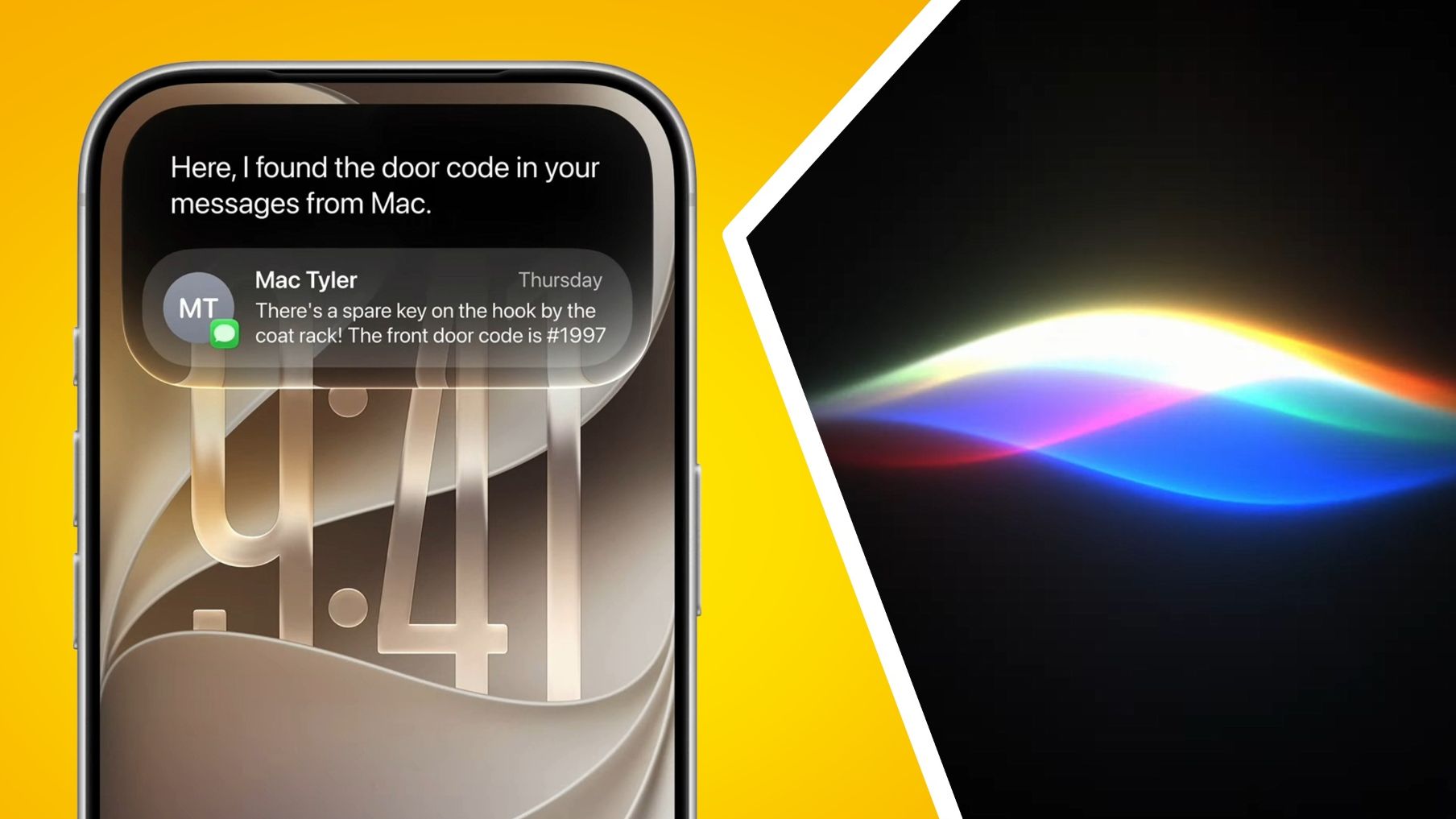
Apple said it will not ship Siri AI as part of the upcoming iOS 27 and iPadOS 27 software updates to EU member states. The news was delivered in a press release by Craig Federighi, Apple's senior vice president of software engineering. "Our hope is to eventually bring Siri AI to the EU, and we will continue to engage with EU regulators on a path forward," Federighi stated. "However, their refusal to engage constructively on solutions that preserve privacy and security means we do not currently have a timeline for Siri AI's availability on iOS and iPadOS in the EU."
"Our hope is to eventually bring Siri AI to the EU, and we will continue to engage with EU regulators on a path forward. However, their refusal to engage constructively on solutions that preserve privacy and security means we do not currently have a timeline for Siri AI's availability on iOS and iPadOS in the EU." — Craig Federighi, Apple SVP of Software Engineering, in a press release
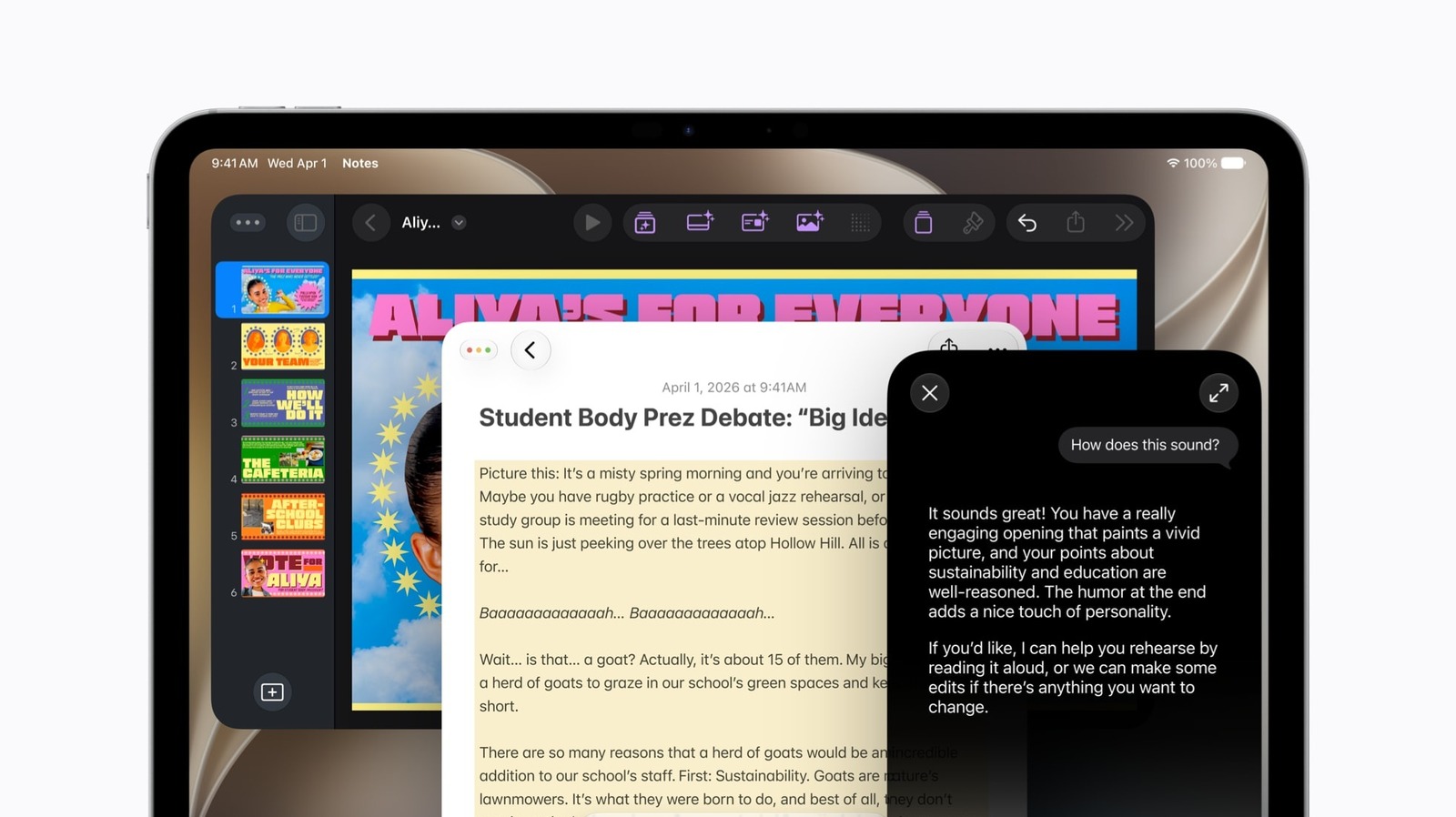
Apple added that the dispute also blocks developers in the EU from testing or using Siri AI features for their apps on the iOS or iPadOS betas.
Regulatory Conflict and Apple's Proposed Solution
According to Apple, the Digital Markets Act requires giving any AI system "nearly unlimited access to a user's device" along with "the ability to act on that access autonomously without a user's ongoing visibility and control." Citing user privacy concerns, Apple said it created the Trusted System Agent — an intermediary that would let virtual assistants use the same features and capabilities as Siri AI for EU devices, along with a rollout plan over the next 18 months. However, Apple said the European Commission did not agree to any of its proposals.
Availability by Platform and Region
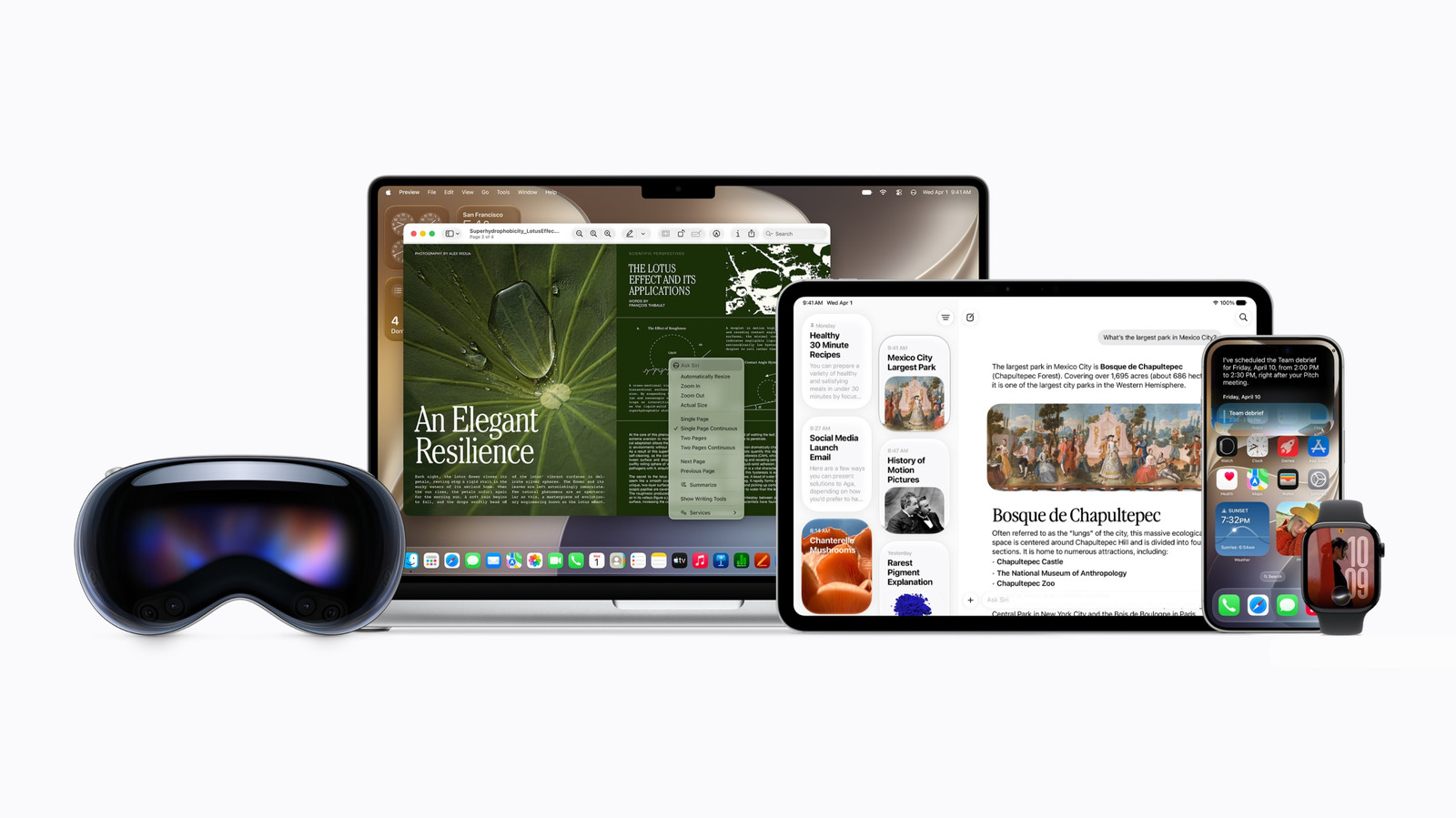
While Siri AI is blocked on iPhones and iPads in the EU, EU users can still experience the revamped Siri through macOS 27, visionOS 27, and watchOS 27. The features are also unavailable in China, where Apple said it must "work through regulatory requirements." The table below summarises the current availability landscape:
| Platform/Region | EU | China | Rest of World (planned) |
|---|---|---|---|
| iOS 27 | Indefinite delay | Not available | Scheduled release |
| iPadOS 27 | Indefinite delay | Not available | Scheduled release |
| macOS 27 | Available | Not available | Scheduled release |
| visionOS 27 | Available | Not available | Scheduled release |
| watchOS 27 | Available | Not available | Scheduled release |
| Developer beta access | Blocked | Blocked | Available |
Broader Implications for Enterprise AI Deployment
For CTOs and digital transformation leaders, the Apple-EU standoff highlights how data-privacy regulations like the DMA can directly constrain the deployment of AI-powered features on widely used mobile platforms. Enterprise applications that rely on Apple's native AI capabilities — for example, voice-controlled inventory lookups or AI-driven field service support on iPhones and iPads — will not be available to EU-based employees or customers until the dispute is resolved. The indefinite nature of the delay, with "no timeline" for availability, forces enterprises to either build alternative solutions on other platforms or await regulatory compromise.
Apple's proposed Trusted System Agent concept, though rejected by the European Commission, may offer a template that other AI providers could adopt to balance accessibility and privacy. However, until the European Commission and Apple reach a consensus, businesses operating in the EU must plan for a fragmented AI assistant landscape where Siri's advanced intelligence is inaccessible on the most common mobile devices.
Sources: