Apple's biggest announcement at WWDC 2026 was the next-generation Siri, now called Siri AI. According to Engadget's hands-on preview, the AI-boosted assistant will be infused into iPhone, iPad, and Mac, bringing significant changes to how users interact with the voice assistant. Early access is available via beta software, and I had the opportunity to test demos at Apple Park.
New Gesture and Interface
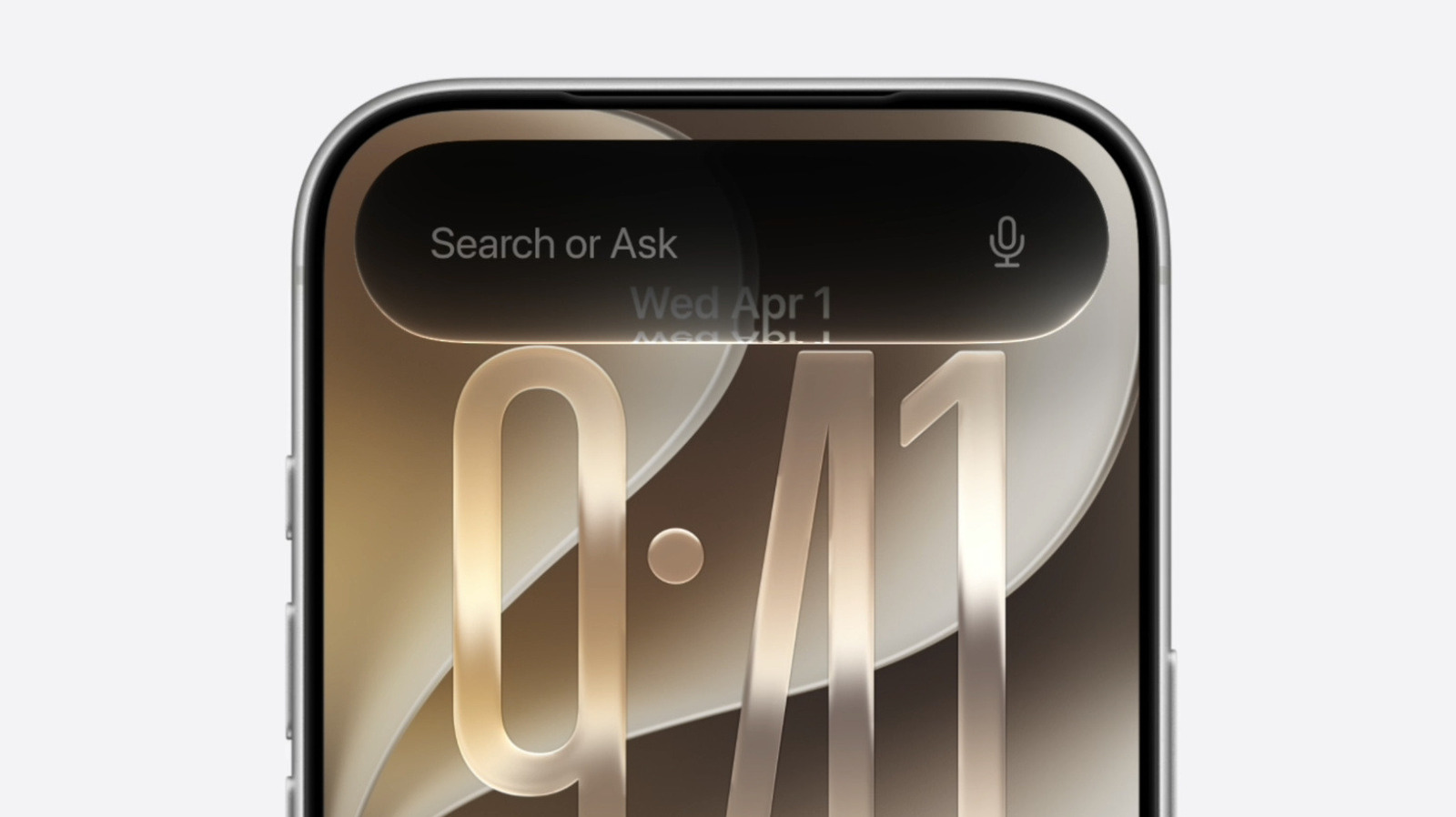
One of the main differences is the new onscreen gesture to invoke Siri. While users can still long-press the power button or say "Hey Siri," the swipe gesture has changed. Instead of double-tapping the bottom of the display to type to Siri, users now swipe down from the top center—the same gesture used to pull down Spotlight search. Engadget described the removal of the double-tap gesture as welcome, as it often interfered with scrolling and gaming. The new gesture effectively turns Spotlight into a Siri-infused search bar.
On iPads, the animation is particularly striking: as the finger drags down from the top, a black droplet oozes down and follows the finger until the swipe completes. Then the Spotlight search bar appears with the words "Search to ask," followed by a second panel with suggested apps, actions, and recent searches.
Siri App for Persistent Conversations
Another key addition is the new Siri app, which stores past conversations and queries. Apple does not save every command—one-off requests like "set a timer for 5 minutes" are excluded. Instead, Apple's algorithms decide which conversations might be worth revisiting. The app displays each conversation as a card with a title based on the topic, and where relevant, a cover image. On demo devices, cards included titles like "San Francisco Parks for Kids," "NYC Buildings over 1,000 feet," and "Dog Domestication Timeline." Cards are sorted in reverse chronological order with a time or day stamp above each title.
Context Menu Integration
Siri AI also appears in context menus. On a MacBook, a new "Ask Siri" option appears at the top of the menu when two-finger clicking. On iPadOS, the "Ask Siri" option appears at the bottom. These placements are likely to change before the public beta or general release, according to Engadget.
Expanded Response Window
After receiving an answer in the search window, users can drag down to expand the response and see more details. There is also an "Ask Siri" bar at the bottom for follow-up questions. A dual arrow icon in the top-right of the floating panel opens the Siri app. The panel can be resized and dragged over other apps.
Availability
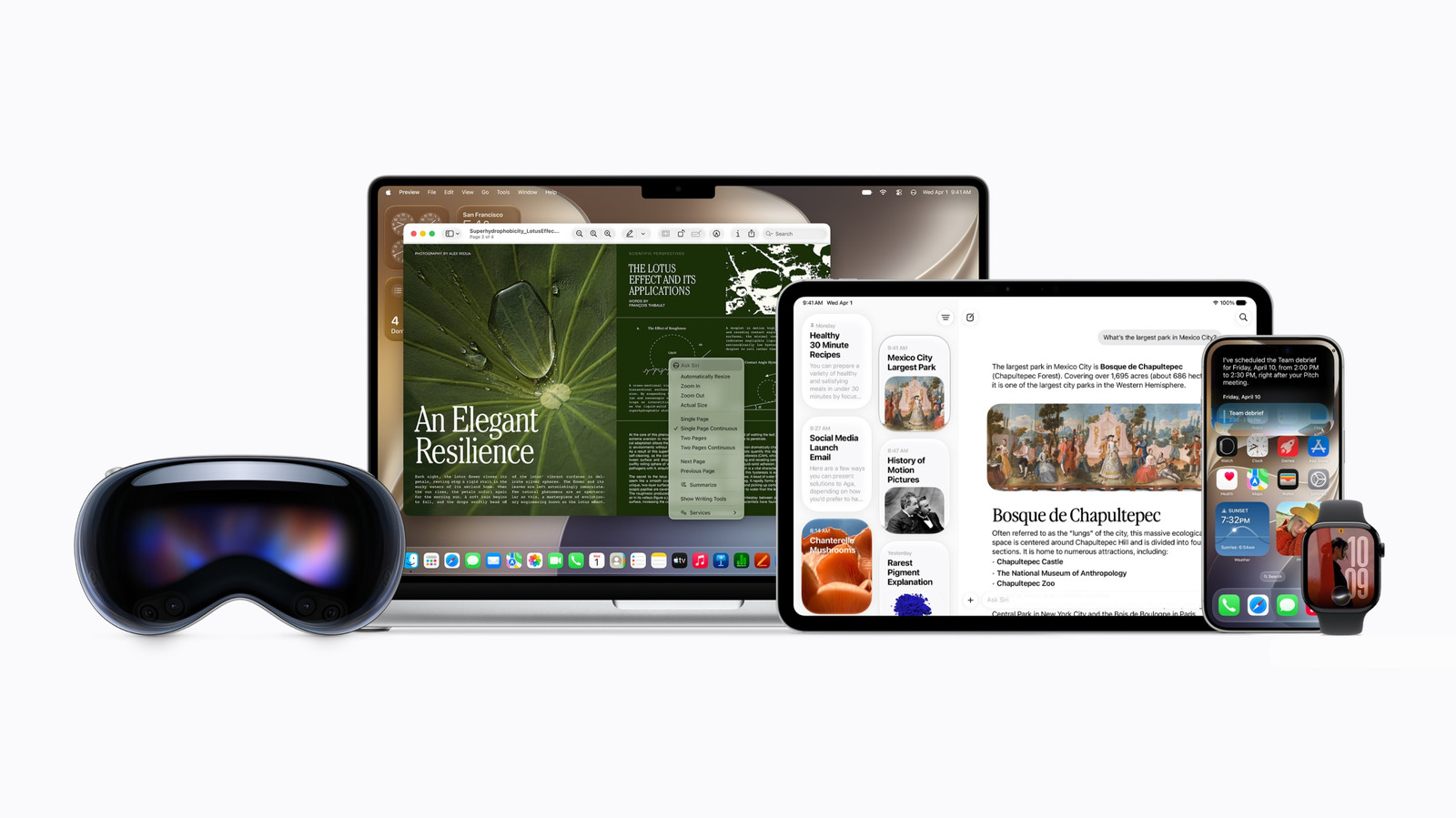
Siri AI will roll out generally this fall. Early access is available via beta software. The new assistant works across iPhone, iPad, and Mac, with the Spotlight search interface appearing on all devices, including via the Search button on a Magic Keyboard connected to iPad or the Command-Spacebar shortcut on Mac.
| Feature | Old Siri | New Siri AI |
|---|---|---|
| Gesture | Double-tap bottom of screen | Swipe down from top center |
| Conversation history | None stored | Saved in Siri app as topic cards |
| Context menu | Not present | "Ask Siri" option in context menus |
| Response window | Fixed | Expandable, resizable panel |
| Follow-up questions | Limited | Persistent "Ask Siri" bar |
For enterprise users who rely on Apple devices for productivity, these changes offer a more powerful and persistent assistant that can retain context across sessions. The ability to review past queries and extract information from conversations may reduce time spent re-asking the same questions. The deeper integration into Spotlight and context menus also suggests Apple is positioning Siri AI as a universal search and assistance layer across its ecosystem.
While the initial demos focused on consumer queries like parks and buildings, the underlying technology could be extended to business use cases such as document retrieval, scheduling, and data queries. As with any major OS update, CIOs should evaluate compatibility with existing workflows and consider beta testing to assess the assistant's impact on employee productivity.
Sources: