Apple’s incoming Siri AI will deliberately avoid flattery and romantic engagement, according to Craig Federighi, the company’s senior vice president of engineering. In an interview with the podcast Mostly Human, Federighi and Apple marketing chief Greg Joswiak outlined a design philosophy that rejects the sycophantic tendencies of many existing chatbots.
Federighi on Siri’s Boundaries
Federighi told Mostly Human that “if you use many of the existing chat bots, they're really focused on engagement to a large degree. And sycophancy, right? They kind of wanna pull you in.” Apple’s approach, he said, is the opposite. “Siri really wants to say, ‘Listen, that's not what I'm here for, right? I'm here to help you. I can help you get things done.’” The executive noted that other AIs might encourage users to reveal personal information to build a connection, but Siri will maintain firm boundaries.
The remarks come after nearly two years of delays before Apple officially introduced the new Gemini-powered Siri at WWDC in 2024. Federighi’s comments reflect Apple’s deliberate strategy to position Siri as a task-oriented assistant rather than a companion.
Joswiak on How Users Interact
Greg Joswiak, Apple’s marketing chief, added that the company wants the technology behind its features to “disappear” into the background. “We want to meet them where they're at,” Joswiak said. Apple aims to avoid requiring users to become “prompt experts” to get the most out of Siri. Instead, the assistant should feel like a natural extension of the device and apps.
This contrasts with the “engagement-first” model of many standalone chatbots, which often use personalized responses to keep users talking. Joswiak emphasized that Apple wants “the products and features become better, and this is just a really helpful technology in making those features and products better.”
New Capabilities and a Dedicated Siri App
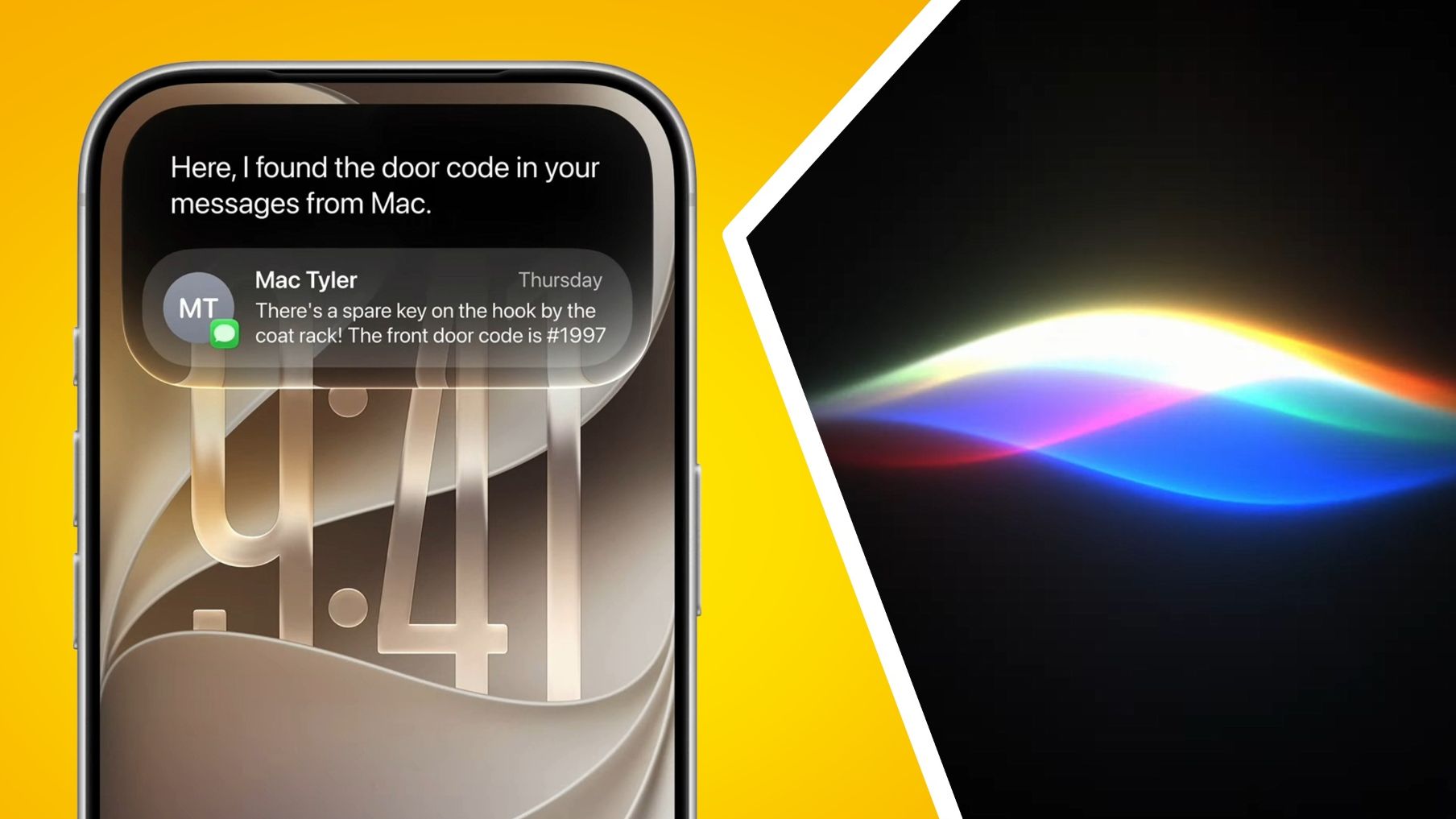
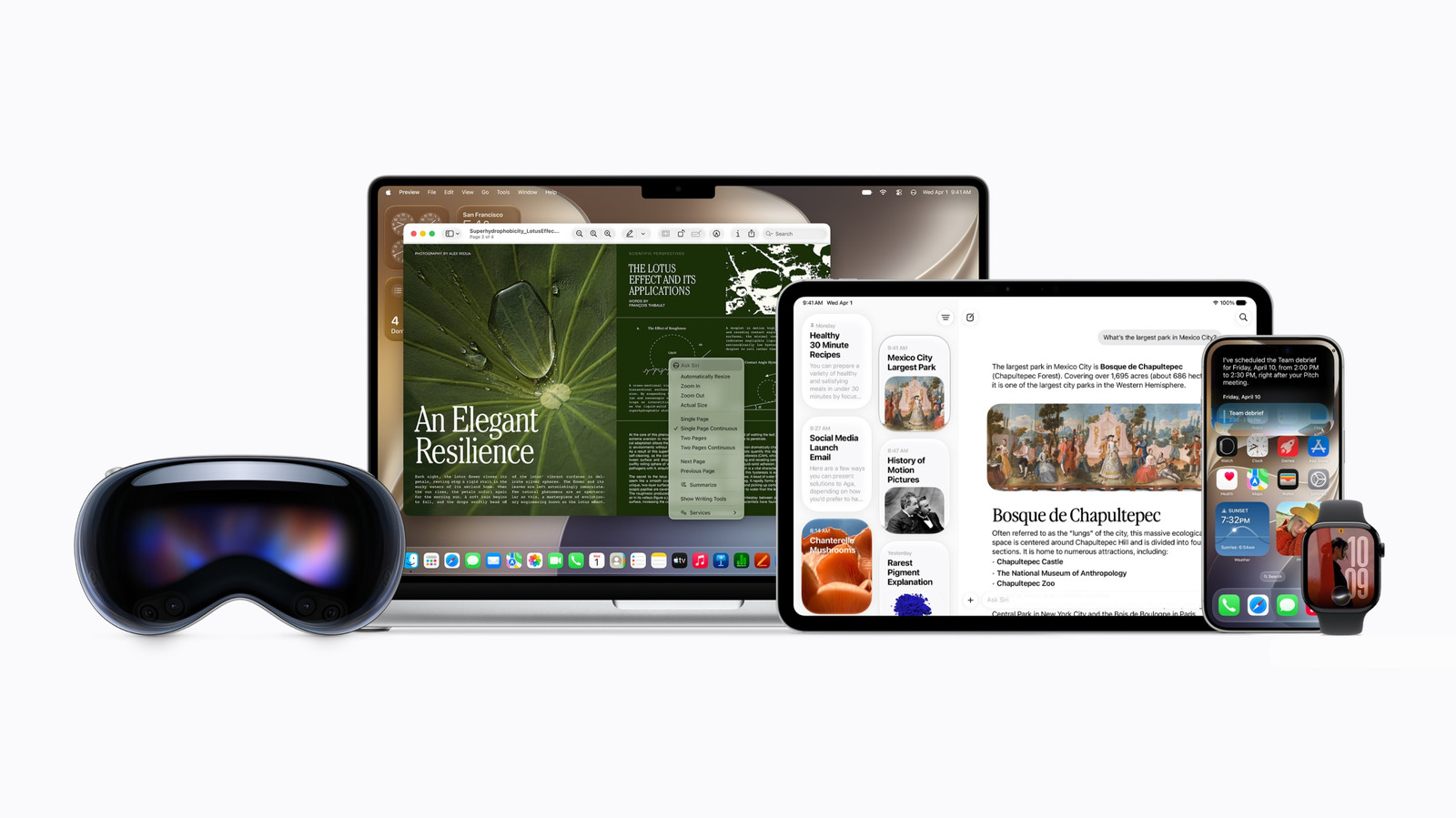
The upgraded Siri, which will debut on iOS 27, will be more deeply integrated into Apple’s mobile platform and its native apps, including Camera and Photos. According to Federighi, the assistant can search the web, understand on-screen context, and take a user’s personal information into account to complete tasks. Apple will also release a dedicated Siri app to compete with chatbots like ChatGPT and Claude, allowing text and voice interaction with the assistant.
Key features of the new Siri include:
- Web search integration
- On-screen context understanding
- Personal information awareness for task completion
- Deeper integration with Camera, Photos, and other first-party apps
- A dedicated app for text and voice conversations
The new Siri’s resistance to flattery is a deliberate design choice. Federighi stated that “other AIs might encourage users to reveal more about themselves and then use that information to establish a connection,” while Siri will “put up and maintain boundaries.”
| Aspect | Apple’s Siri | Typical Chatbots |
|---|---|---|
| Primary goal | Task completion | User engagement |
| Flattery/Sycophancy | Actively avoided | Often encouraged |
| Personal information | Used for tasks, not bonding | Used to build connection |
| User expertise required | None | May need prompt engineering |
Implications for Businesses and Users
For enterprises and professionals who rely on digital assistants for productivity, Siri’s refusal to engage in emotional manipulation could be a selling point. By focusing on getting things done rather than “sucking up,” Siri aligns with Apple’s broader privacy and security narrative. The dedicated app and deeper integration may also reduce reliance on third-party chatbots, keeping user data within Apple’s ecosystem.
Importantly, Siri’s approach means less friction for users who simply want quick answers or task execution. Joswiak’s emphasis on technology “disappearing” suggests Apple is betting that users prefer an assistant that gets out of the way, not one that tries to be a friend.
What to watch: The rollout of iOS 27 and the dedicated Siri app later this year, which will determine whether Apple’s anti-sycophancy strategy resonates with a market accustomed to more personable AIs.
Sources: