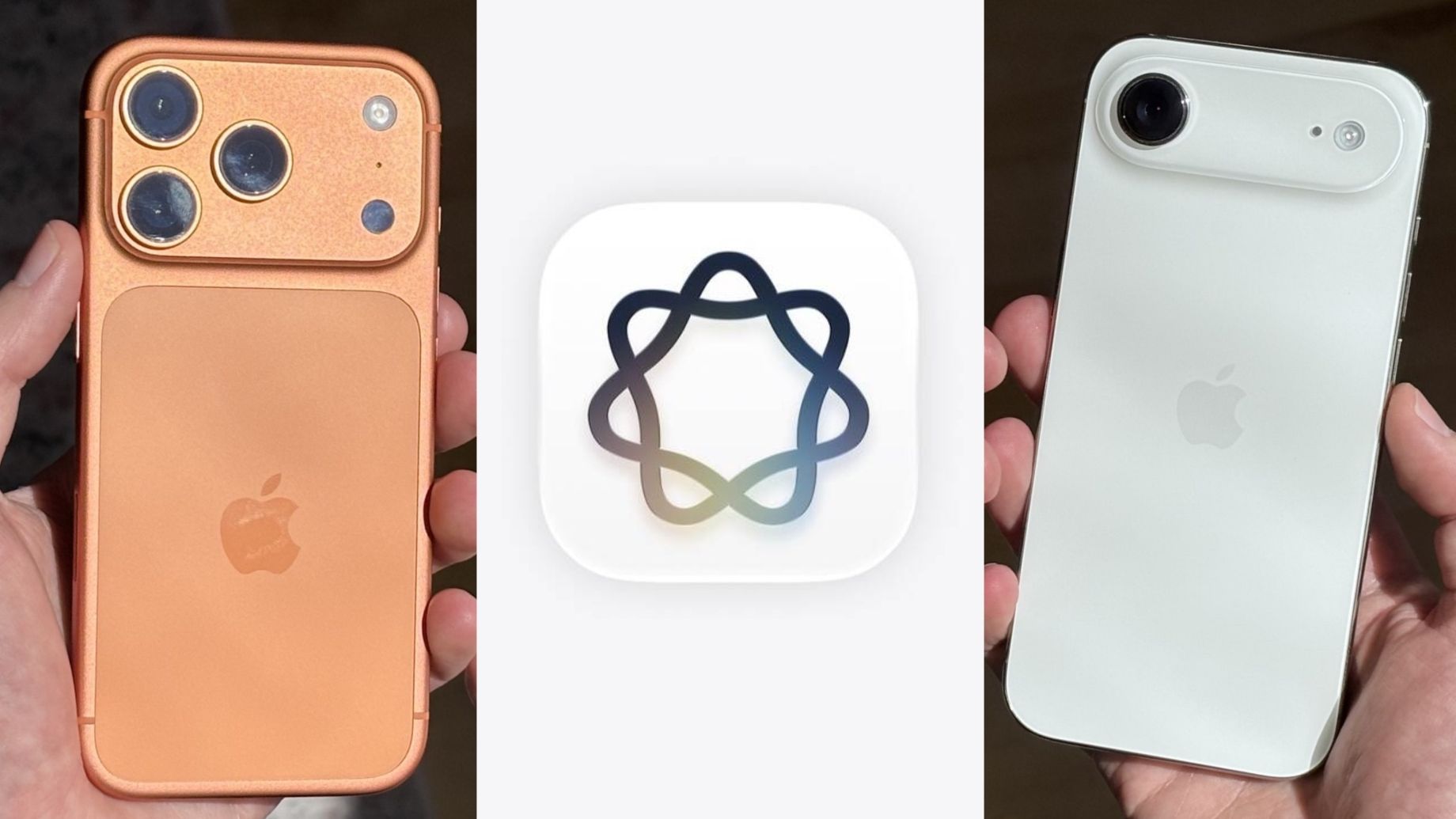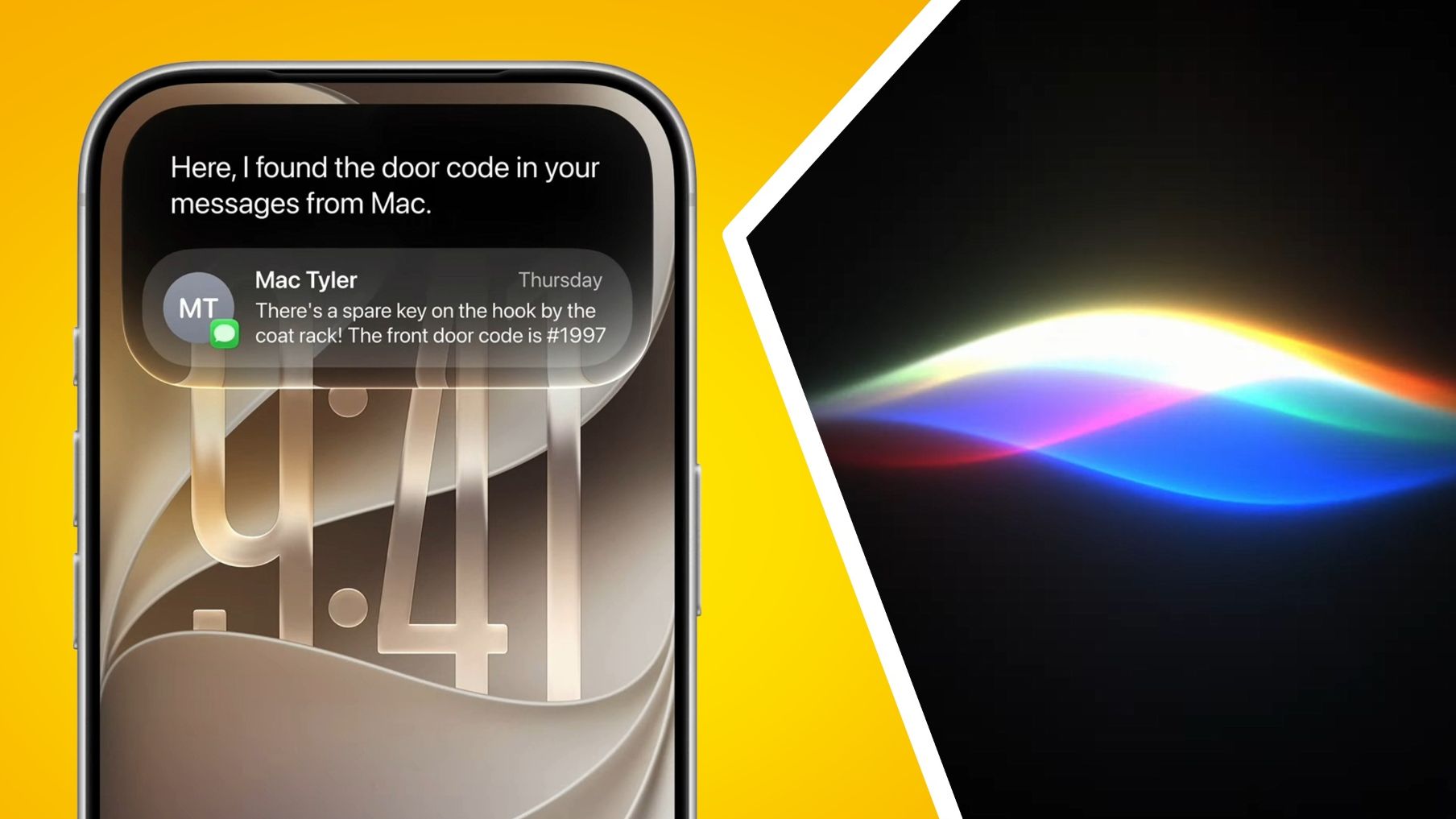
Apple CEO Tim Cook used his final WWDC keynote to unveil a major upgrade to Siri, turning it into a fully AI-powered digital companion in iOS 27. The new Siri, powered by Gemini, now can look at and respond to whatever is on the user's screen, integrate deeply with apps via Voice Control, and pull data from calendar, emails, contacts, and notes to assist with writing responses. Apple hopes these changes will fix the initial stumble of Apple Intelligence.
New Features and Interface
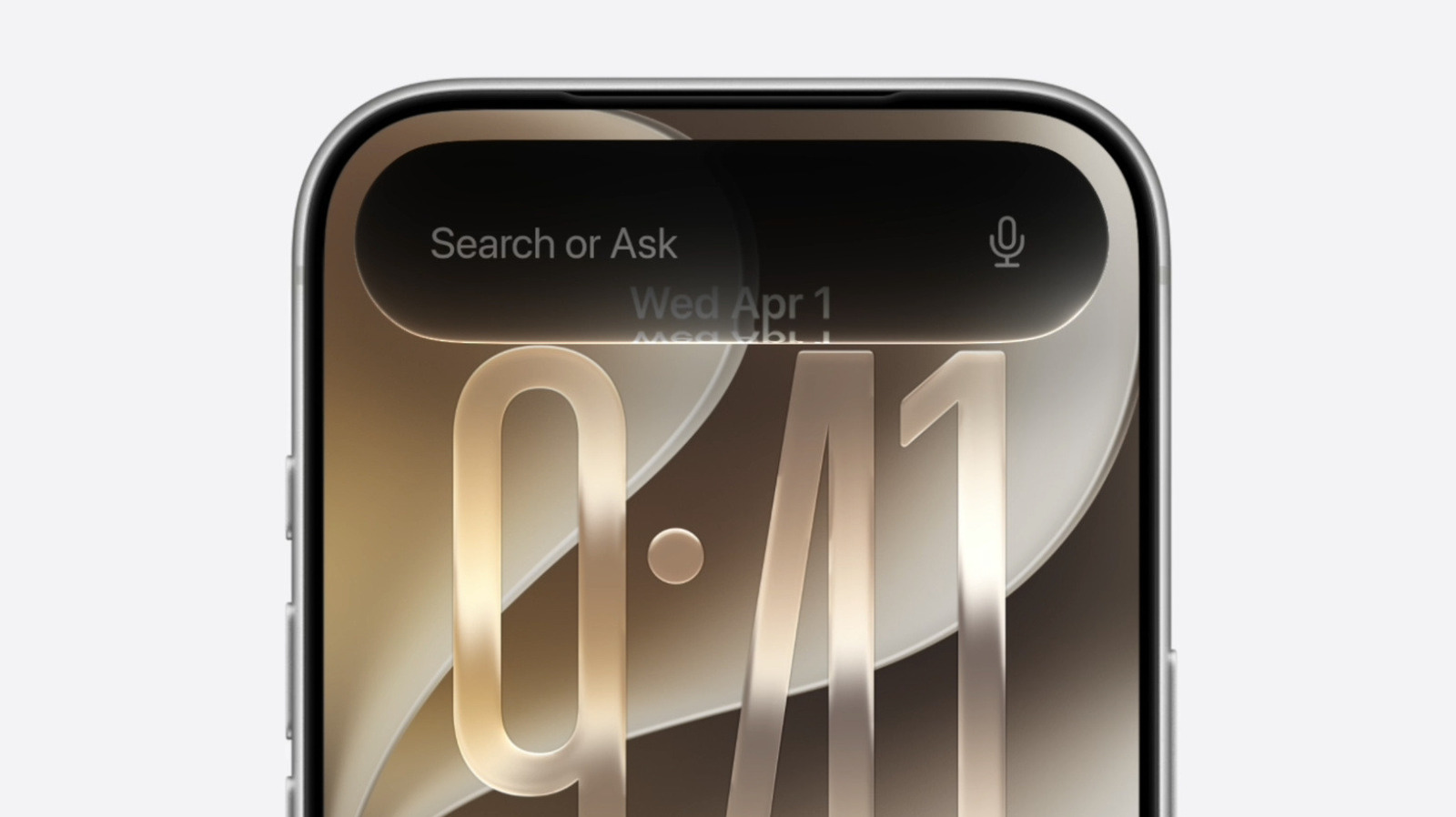
According to TechRadar, the new Siri introduces a 'Search or Ask' interface accessed by dragging down from the top of the iPhone. From there, users can launch apps, write text messages, add events to their calendar, and search the web using AI. The assistant can also look at and respond to on-screen content, and dig deeper into apps through voice commands.
Apple has also embraced generative AI for photo editing, with features such as 'Extend', 'Enhance', and 'Reframe' that allow users to manipulate photos realistically. Image Playground now creates realistic AI images. These features work across all Apple operating systems, ensuring integration for users fully invested in the Apple ecosystem.
Business Performance Context
Despite the initial challenges of Apple Intelligence, the company's financial performance remains strong. TechRadar reported that Apple posted Q2 revenue of $111.2 billion, up 17% year over year. The iPhone achieved a revenue record, fueled by demand for the iPhone 17 lineup. This suggests that consumers continue to buy iPhones regardless of AI features. Apple's push for stronger AI is driven by fear of falling behind competitors like Google and Samsung, according to the article.
Enterprise Implications
For business users, the enhanced Siri could streamline everyday tasks: composing emails, managing calendar events, searching across apps, and pulling information from contacts and notes. The ability to control apps via voice may reduce manual navigation. However, TechRadar notes that features like AI search, email writing, and question answering are already available in apps like Gemini, Claude, and ChatGPT. Apple's advantage lies in seamless integration across its ecosystem and refined user experience.
The table below summarises key capabilities:
| Feature | Description |
|---|---|
| Screen-aware responses | Siri can look at and respond to content on screen |
| Voice Control for apps | Dig deeper into apps using voice commands |
| Data integration | Pulls from calendar, emails, contacts, notes for writing responses |
| Search or Ask interface | Drag down to access new interface for launching apps, writing texts, adding events, web search |
| Photo editing | Extend, Enhance, Reframe with generative AI |
| Image Playground | Create realistic AI images |
Outlook
The new features are expected to launch with the next iPhone in the fall. TechRadar raises the question of whether users will embrace these AI additions, noting that healthy sales of the iPhone 17 indicate that consumers are not crying out for more AI features on their phones. Apple's bet is that small changes in user experience can make a massive difference in how intuitive and easy to use the device feels, leveraging its decades-long expertise in phone design.
As Cook prepares to pass the CEO role to John Ternus on September 1, the success of this AI overhaul will likely be a key part of his legacy. For enterprise decision-makers, the new Siri may offer tangible productivity gains, but it remains to be seen if the integration across Apple's ecosystem will outweigh the capabilities of standalone AI assistants.
Sources: