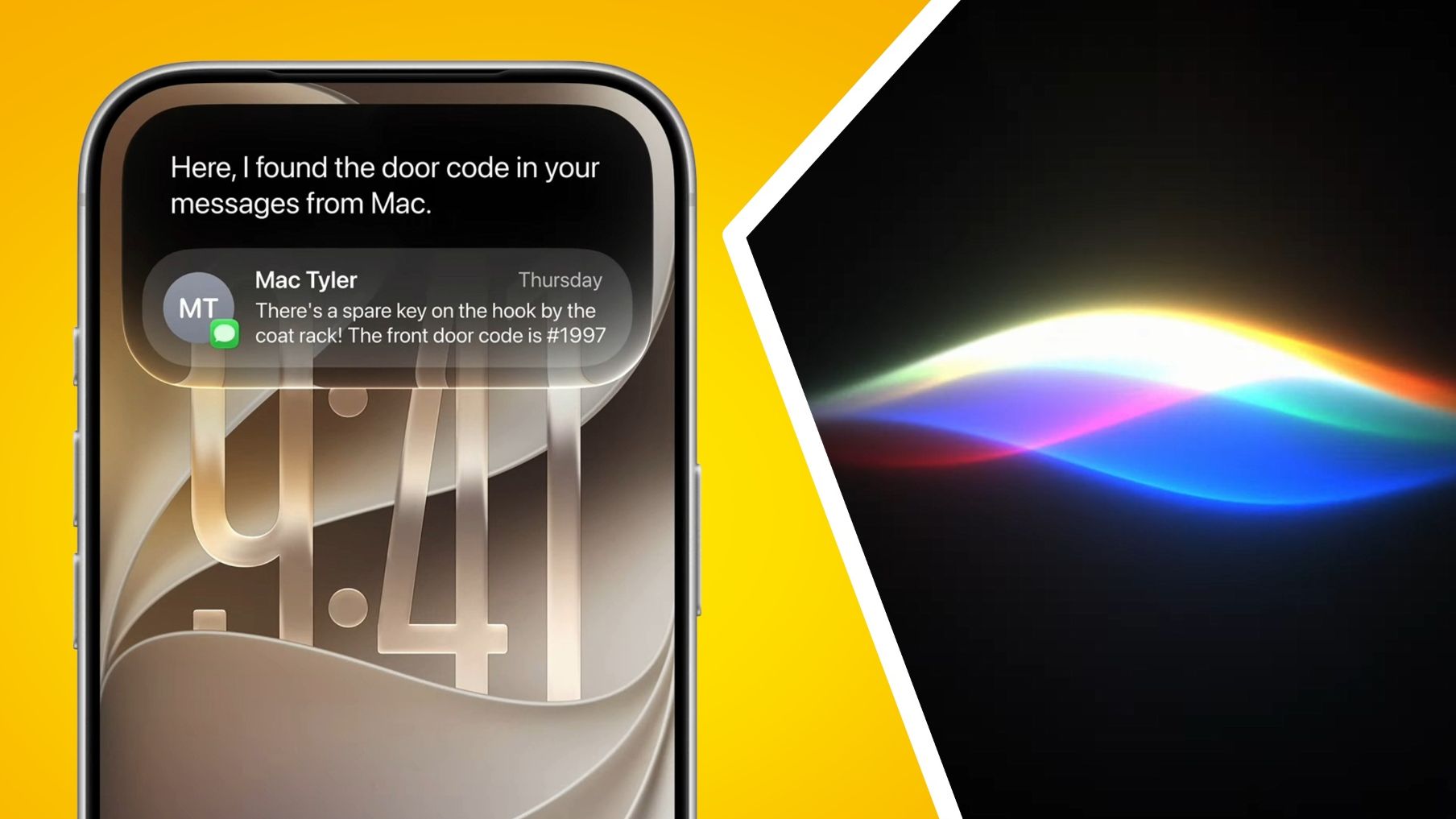
Just hours before Apple's Worldwide Developers Conference (WWDC) 2026 keynote, scheduled for Monday at 10am PT / 1pm ET / 6pm BST, a TechRadar journalist put Siri to the test. The question: what to expect at WWDC 2026? Siri's response was, according to the author, predictably disappointing—ranging from 'I can't answer that question' to offering to use ChatGPT for help. This episode highlights how far Apple's voice assistant has fallen behind in the AI race.
The State of Siri
Two years after Apple promised a new, far more intelligent and self-aware Siri, the rest of the AI world has moved on, TechRadar reported. Siri's sandbox of information remains limited, often unable to answer basic queries or understand context. In contrast, Google's Gemini-infused I/O event earlier this year demonstrated wall-to-wall AI integration, with user data—email, docs, location, shopping, health—tied together to enable a deeply personalized assistant.
Apple's AI Stagnation
Apple's cautious, plodding approach to AI, while rooted in privacy principles, is starting to sound antiquated, the article argues. The company's Apple Intelligence suite currently offers unsatisfying image creation and a lack of self-awareness, relying on external partners like ChatGPT to feed answers. Meanwhile, competitors like Gemini, ChatGPT, and Claude move at breakneck speed, prioritizing frontier models over caution. TechRadar notes that Apple's slow pace has never been perceived as falling this far behind in a critical tech space.
WWDC 2026: A Beta Again?
Despite promised help from Google—which should provide Gemini juice to Apple's own frontier models—recent rumors suggest Apple will again release the next Siri as a beta. The author laments that this cautious approach may once more disappoint. The article compares Apple's current position to a hypothetical scenario a decade after the modern web's explosion, where Apple had no web browser or internet protocols—a misstep that never happened because Apple usually knows when to enter a market.
The Privacy Paradox
Apple's adherence to security and privacy is laudable, but in the fast-moving AI world, it becomes a liability. Users expect AI to understand intentions based on the corpus of personal data. By limiting data access, Apple risks making Siri unintelligent. The author calls for Apple to throw caution to the wind, release the new Siri as a full version, and iterate rapidly to fix issues—a departure from its historical, careful approach.
As the WWDC 2026 keynote approaches, the industry watches whether Apple can finally deliver a Siri that competes with today's AI leaders. The answer, based on TechRadar's test, remains uncertain.
Sources: