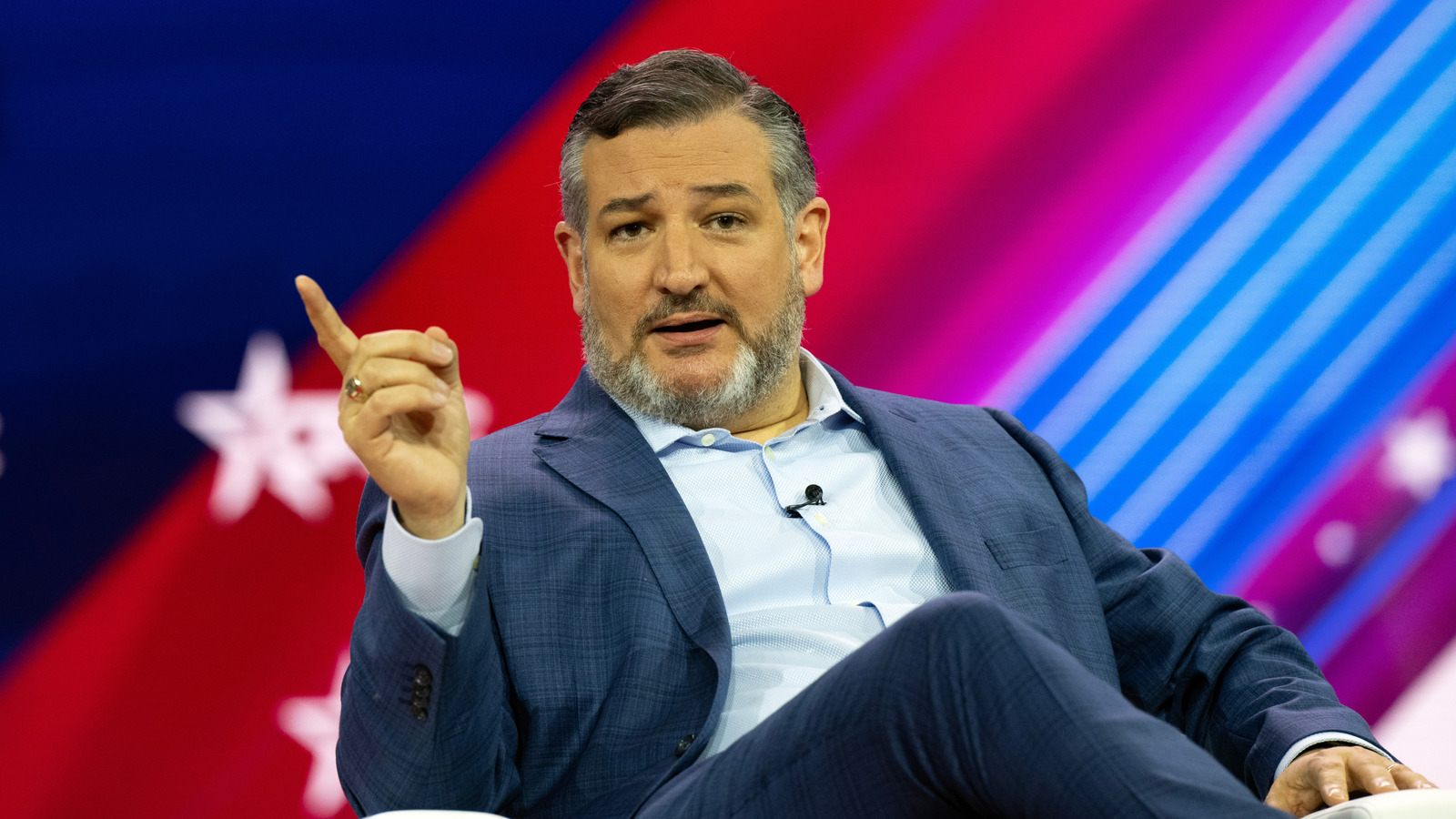
Senators Ted Cruz (R-Texas) and Ron Wyden (D-Ore.) have introduced a bipartisan bill that they said will "hold the government accountable for censorship and violations of the First Amendment." The bill is called the Justice Against Weaponized Bureaucratic Overreach to Networked Expression (JAWBONE) Act, named after jawboning—an act wherein the government attempts to persuade or pressure private companies into changing their moderation policies or to censor speech, according to the senators' announcement.
Key Provisions of the JAWBONE Act
The senators noted that "Americans face significant hurdles in proving these violations" under current law. The JAWBONE Act would address that by:
- Creating a cause of action against any government agency or employee, even if the attempt at censorship was unsuccessful.
- Allowing plaintiffs to seek monetary damages, whereas under current laws they can only ask for an injunction to prevent future violations.
- Requiring government agencies to hand over certain communications with companies involved in complaints to "ensure greater accountability and transparency within the federal government."
Bipartisan Discord: Accusations Fly
Despite the bill's bipartisan sponsorship, both senators used their statements to argue over who is actually censoring whom. Senator Cruz attacked the Biden administration, accusing it of weaponizing "the Cybersecurity and Infrastructure Security Agency to pressure Big Tech into 'canceling' Americans who spoke out against vaccine mandates and election fraud."
Senator Wyden, however, said the most blatant example of jawboning is "Trump threatening cable companies because he doesn't like their late-night shows." A spokesperson for Wyden told Ars Technica that the bill would also apply to the Trump administration putting pressure on app stores to take down certain applications, like what it did with ICEBlock. The creator of that app, which allows users to pin ICE agents' location on a map, is suing the government over "unlawful threats" that led to the app's removal from stores.
Bipartisan Intent and Future Impact
Both senators emphasized that the bill is not about partisan squabbling. Wyden added that the act of jawboning isn't partisan and promised that the bill would provide Americans with the ability to file lawsuits if the government "illegally coerces censorship." Likewise, Cruz said the bill would ensure "the First Amendment is protected, not undermined."
The JAWBONE Act represents a rare bipartisan effort to address government overreach in the digital sphere, though the sharp disagreements between its sponsors highlight the deep divisions over what constitutes censorship. For enterprise technology leaders, the bill could have implications for how government agencies interact with platforms and service providers, potentially reshaping compliance and risk management strategies in areas where government pressure intersects with content moderation. As the legislative process unfolds, the debate underscores the ongoing tension between free speech protections and government influence over private companies.
Sources: