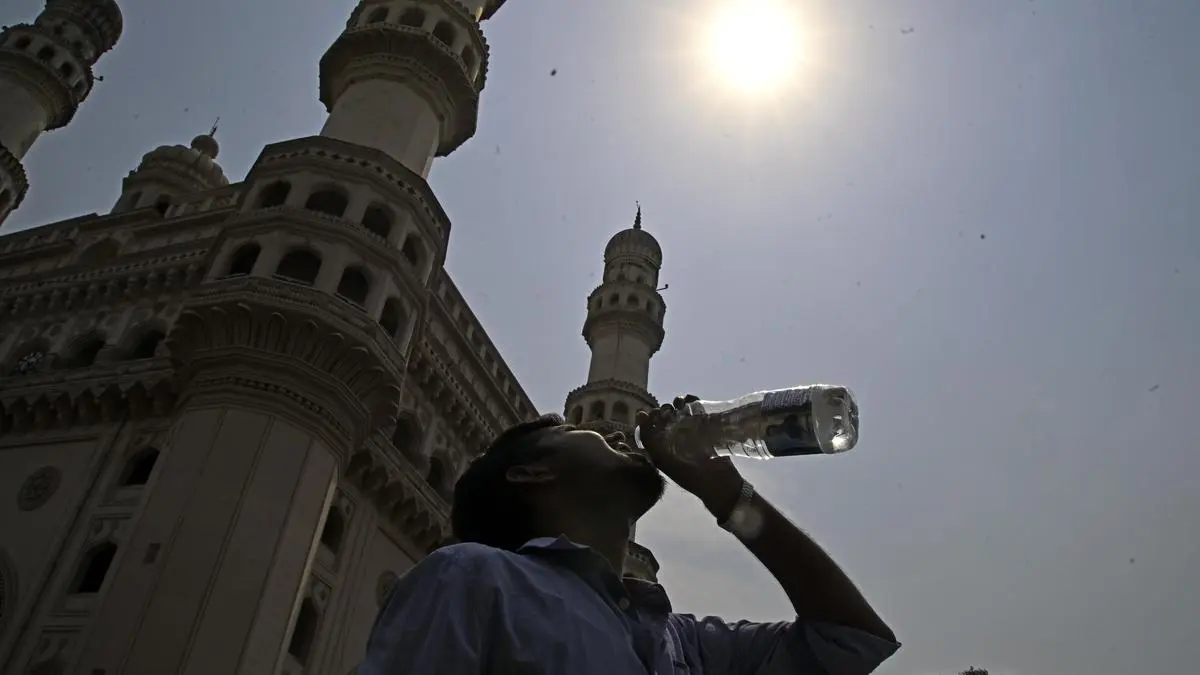
The United Nations has issued a stark warning about the impending rise in global temperatures over the next five years, which is expected to surpass the international climate threshold set by the Paris Agreement. This development could have profound implications for international trade, particularly for importers and exporters dealing with climate-sensitive goods.
Climate Projections and Trade Impact
According to the World Meteorological Organisation (WMO), there is a 75% chance that the average global temperature between 2026 and 2030 will exceed 1.5 degrees Celsius above pre-industrial levels. This threshold, established by the Paris climate agreement in 2015, is critical for maintaining ecological balance.
- Temperature Increase: Expected to be between 1.3°C and 1.9°C since the late 1800s.
- Arctic Warming: Predicted to rise by nearly 3°F (1.66°C) by 2030.
- El Nino Effect: Likely to persist until 2028, exacerbating global temperature spikes.
Implications for Trade
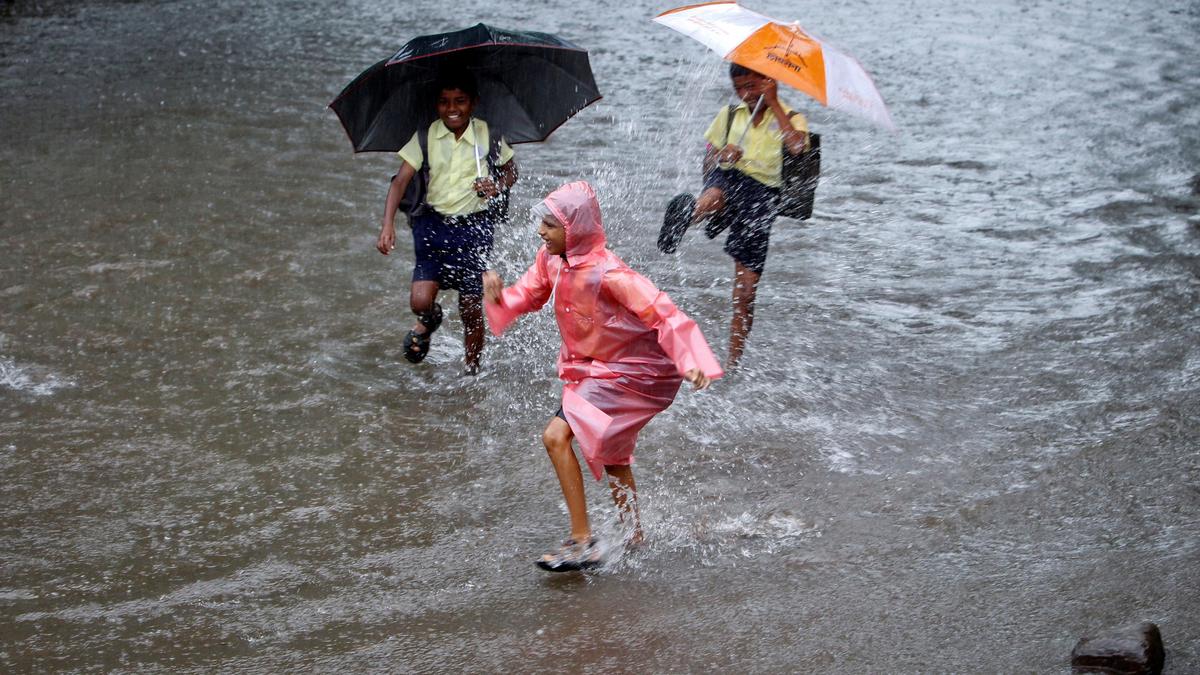
The anticipated rise in temperatures could lead to more frequent and severe weather events, such as droughts and floods, which are likely to disrupt supply chains and affect trade volumes. Melissa Seabrook, a climate scientist at the U.K. Meteorological Office, emphasized the severe impacts of even minor temperature increases.
"Every kind of 0.1 of a degree has more and more severe impact," said Seabrook.
Preparing for Disruptions
Trade professionals must consider the following strategies to mitigate risks:
- Diversifying Supply Chains: Reducing dependency on climate-sensitive regions.
- Investing in Resilient Infrastructure: Ensuring facilities can withstand extreme weather.
- Monitoring Climate Data: Staying informed about climate forecasts and potential impacts.
Statistical Overview
| Year | Probability of Exceeding 1.5°C | Likelihood of Record Heat |
|---|---|---|
| 2026-2030 | 75% | 86% |
Conclusion
As the world braces for unprecedented climate changes, the international trade community must proactively adapt to ensure resilience against potential disruptions. The United Nations and World Meteorological Organisation continue to provide critical data to guide policy and operational adjustments.
The next five years will be crucial in determining how well global trade can adapt to these environmental challenges.