India has implemented stricter regulations on silver imports, now requiring Directorate General of Foreign Trade (DGFT) approval for silver grains and powder. This decision, effective immediately, is part of broader efforts to manage the country's import bill and stabilize the rupee.
Import Restrictions
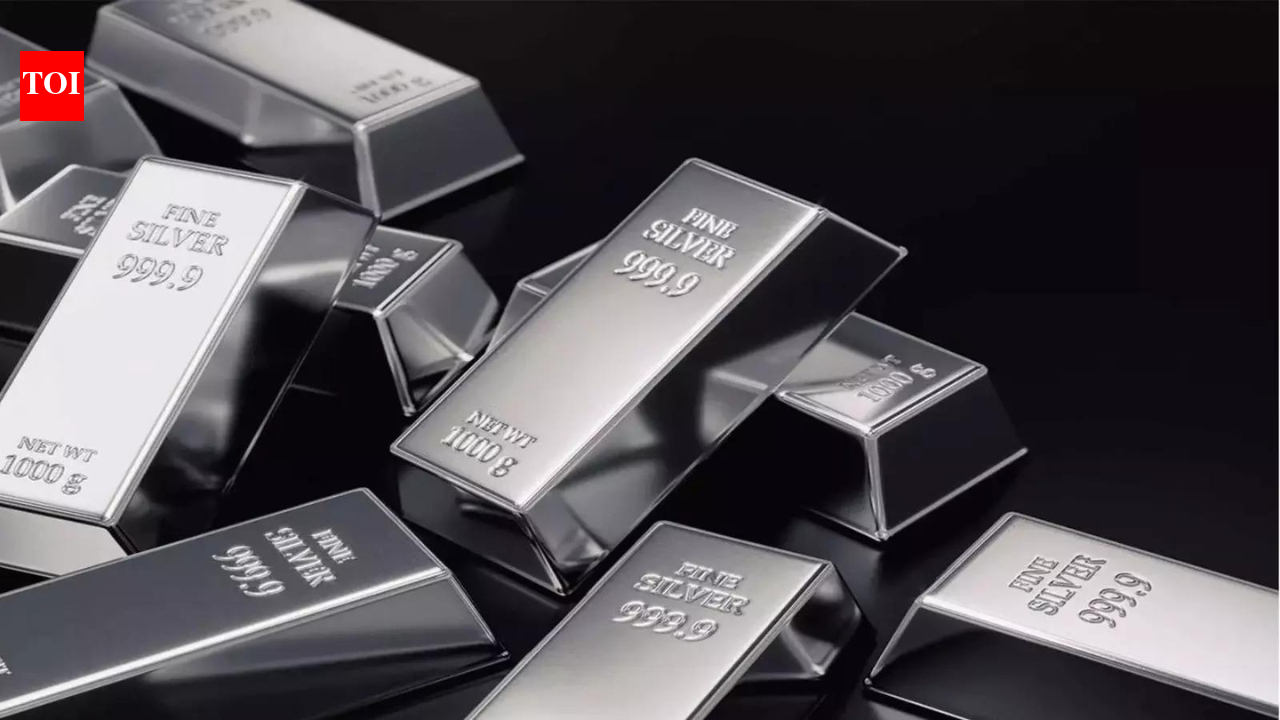
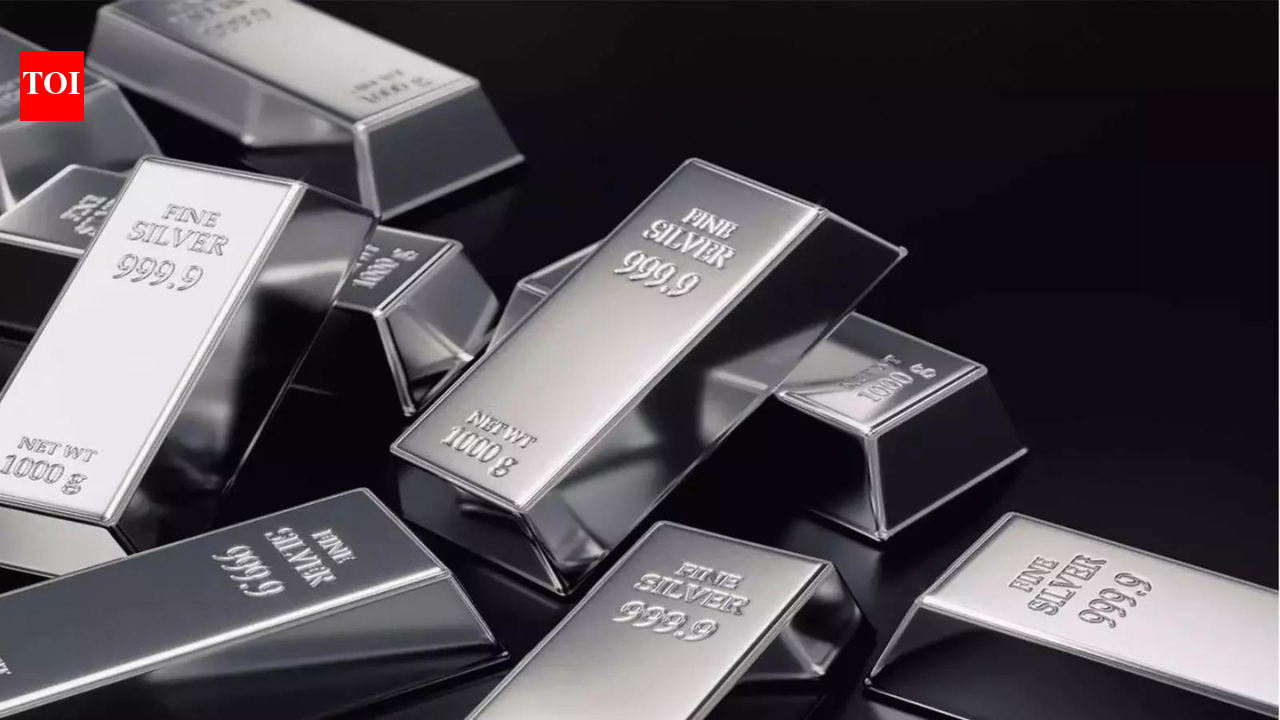
The revised rules place silver grains, powder, and products with 99.9% silver content under the restricted category. Importers must now secure a valid import authorization from the DGFT. This follows recent measures that categorized silver bars and semi-manufactured forms of silver as restricted.
- Silver Grains and Powder: Now require DGFT approval.
- Silver Bars: Previously restricted, requiring similar approvals.
Economic Impact
India, the world's largest silver consumer, imported $12 billion worth of silver in the fiscal year ending March 2026, a significant increase from $4.8 billion the previous year. In April alone, imports rose 157% year-on-year to $411 million.
| Fiscal Year | Silver Imports ($ Billion) |
|---|---|
| 2025 | 4.8 |
| 2026 | 12 |
Government Strategy
The Indian government has also raised import duties on gold and silver from 6% to 15% to reduce foreign purchases and protect foreign exchange reserves. This strategy is part of a broader effort to mitigate the impact of high commodity prices on the economy.
"The government has made it harder for the bullion industry to bring in silver. Importers now need approval first, and there is no clear idea if they will get it or how long it will take," a Mumbai-based bullion dealer commented.
Trade Partners
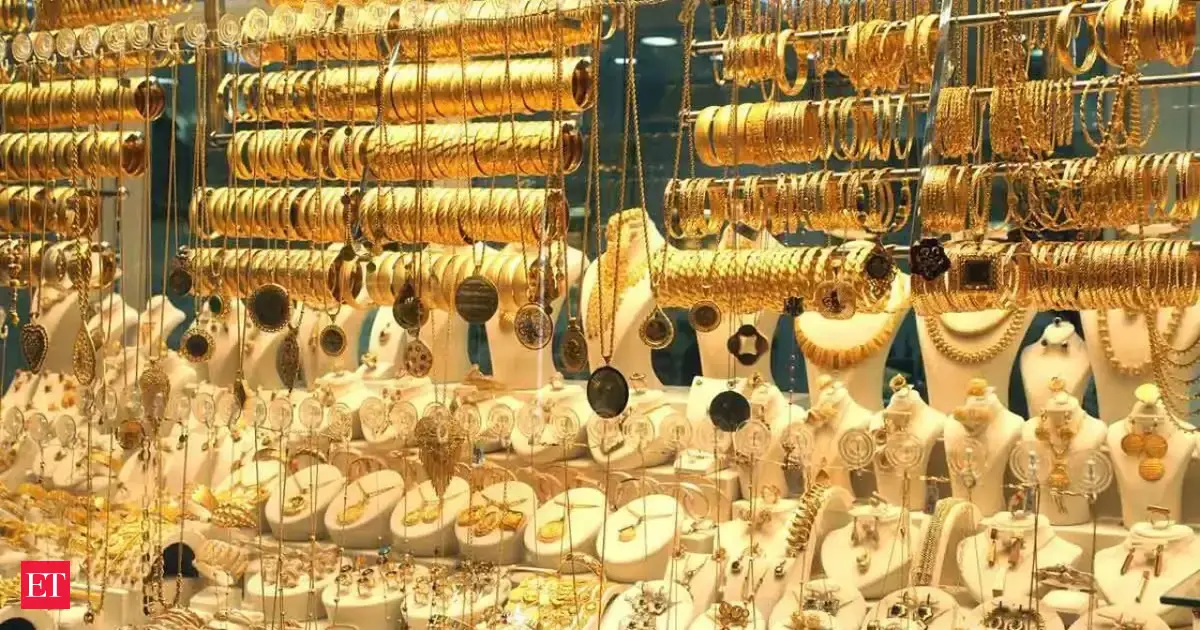
India primarily imports silver from the United Arab Emirates, Britain, and China. The demand for silver in India spans jewelry, coins, bars, and industrial applications, with recent trends showing increased investment buying.
Conclusion
These regulatory changes reflect India's strategic approach to managing its trade balance and currency stability. Importers and trade professionals must navigate these new requirements to continue operations smoothly.