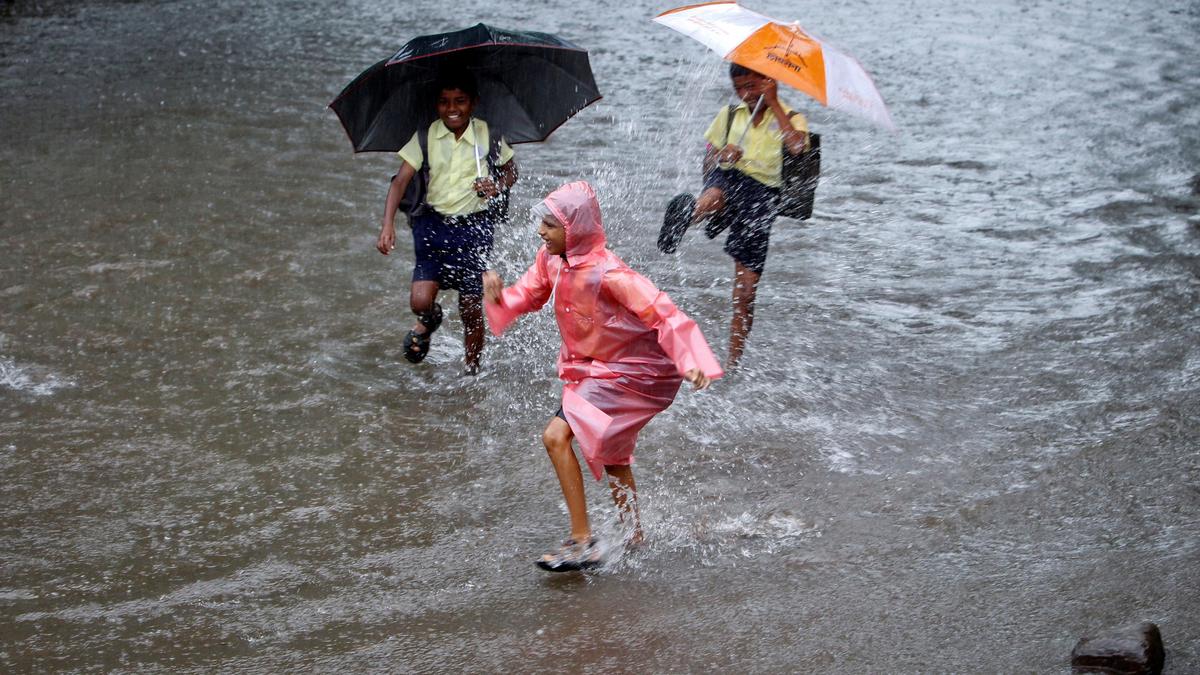
The India Meteorological Department (IMD) has announced that the monsoon onset over Kerala is expected on June 4, a delay from the usual start date. The first day of the monsoon season, beginning June 1, recorded a significant 55% below normal rainfall across India, affecting 26 states and union territories.
Impact on Trade
The delayed monsoon onset and deficient rainfall could have substantial implications for India's agricultural sector, which is heavily reliant on monsoon rains. Importers and exporters of agricultural products should prepare for potential disruptions in supply chains.
- 26 states reported deficient or no rain.
- 10 states experienced normal to excess rainfall, covering 37% of the geographical area.
Regional Rainfall Variations
In Central India, only Chhattisgarh and Madhya Pradesh received normal or higher rainfall, while other regions remained dry. The north-west region also faced deficiencies, with only Himachal Pradesh and Uttarakhand reporting some rain.
| Region | Rainfall Status |
|---|---|
| Central India | Normal/Excess |
| North-west | Deficient |
| South Peninsula | Deficient/Excess |
Future Outlook
The IMD has indicated favorable conditions for the monsoon to advance into more parts of the south-west and south-east Arabian Sea, Lakshadweep Islands, and parts of Kerala and Tamil Nadu by June 4.
"Conditions are favorable for further advance of monsoon into some more parts of south-west and south-east Arabian Sea," said the IMD.
Strategic Considerations
Trade professionals should monitor these developments closely, as the monsoon's progression will influence agricultural output and commodity prices. The World Trade Organization and other bodies may need to adjust forecasts based on these climatic changes.
Conclusion
The delayed monsoon onset and below-normal rainfall present challenges for India's trade sector, particularly in agriculture. Stakeholders should remain vigilant and adapt strategies to mitigate potential impacts.