The United States has indicated a potential shift in its policy regarding Russian oil imports, signaling an end to the sanction waivers that have been in place since March 2026. These waivers were initially granted to ease global energy supply constraints following geopolitical tensions.
Background
The waivers, which were extended twice, are set to expire on June 17, 2026. US Secretary of State Marco Rubio testified before the Senate Foreign Policy Committee, emphasizing the temporary nature of these waivers. The Department of Treasury is responsible for the final decision on their continuation.
Impact on Global Markets
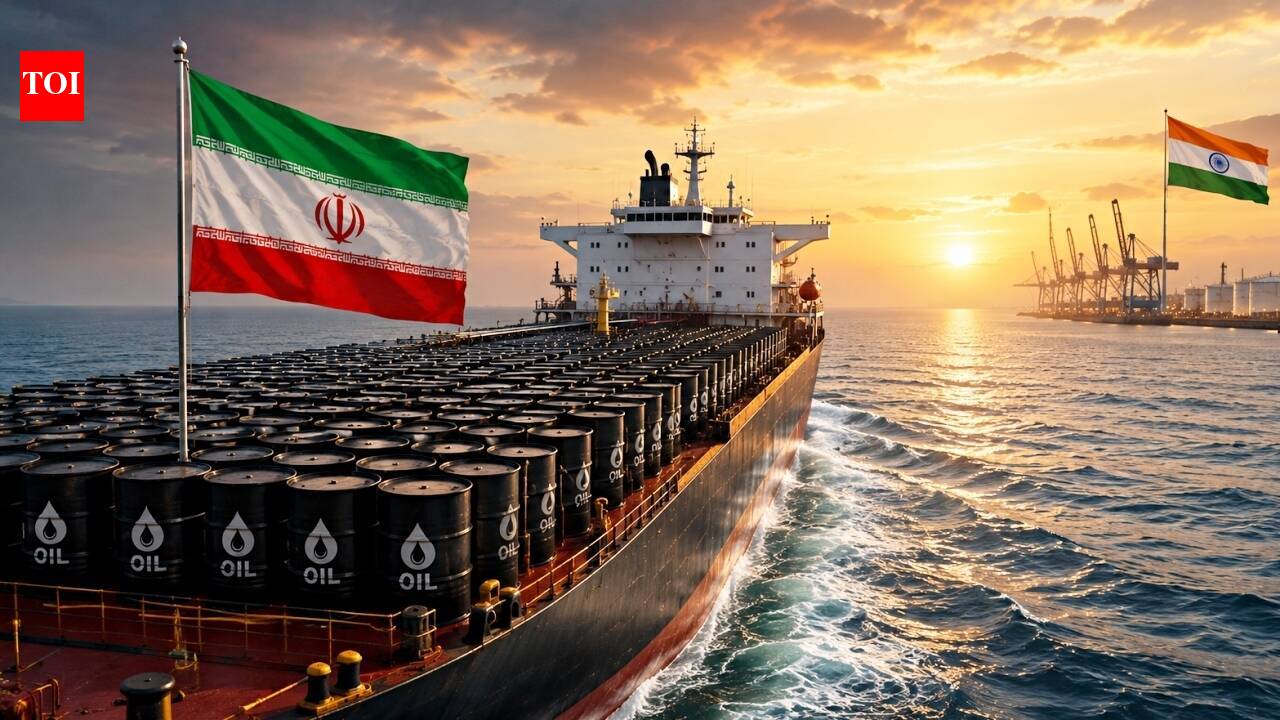
Countries like India have benefited significantly from these waivers, allowing them to import Russian oil without facing US sanctions. The potential end of these waivers could lead to shifts in global oil prices and trade dynamics.
- India: Major beneficiary of the waivers
- US: Aims to reinforce its sanction policy
- Global Markets: Potential volatility in oil prices
Policy Implications
The US's stance reflects its broader strategy to maintain pressure on Russia while balancing global energy needs. Democrat Jeanne Shaheen questioned Rubio on the commitment to not extend the waivers further, highlighting the political and economic stakes involved.
"We would like to end it as soon as we possibly can because the underlying policy of this country has been to sanction their oil," said Rubio.
Future Outlook
As the expiration date approaches, stakeholders in the energy sector are closely monitoring the situation. The decision will have significant implications for international trade and energy security.
| Country | Benefit from Waiver | Potential Impact |
|---|---|---|
| India | High | Increased costs |
| US | Low | Policy alignment |
The global energy market remains on edge as the US deliberates its next steps, with potential ripple effects across economies reliant on Russian oil imports.