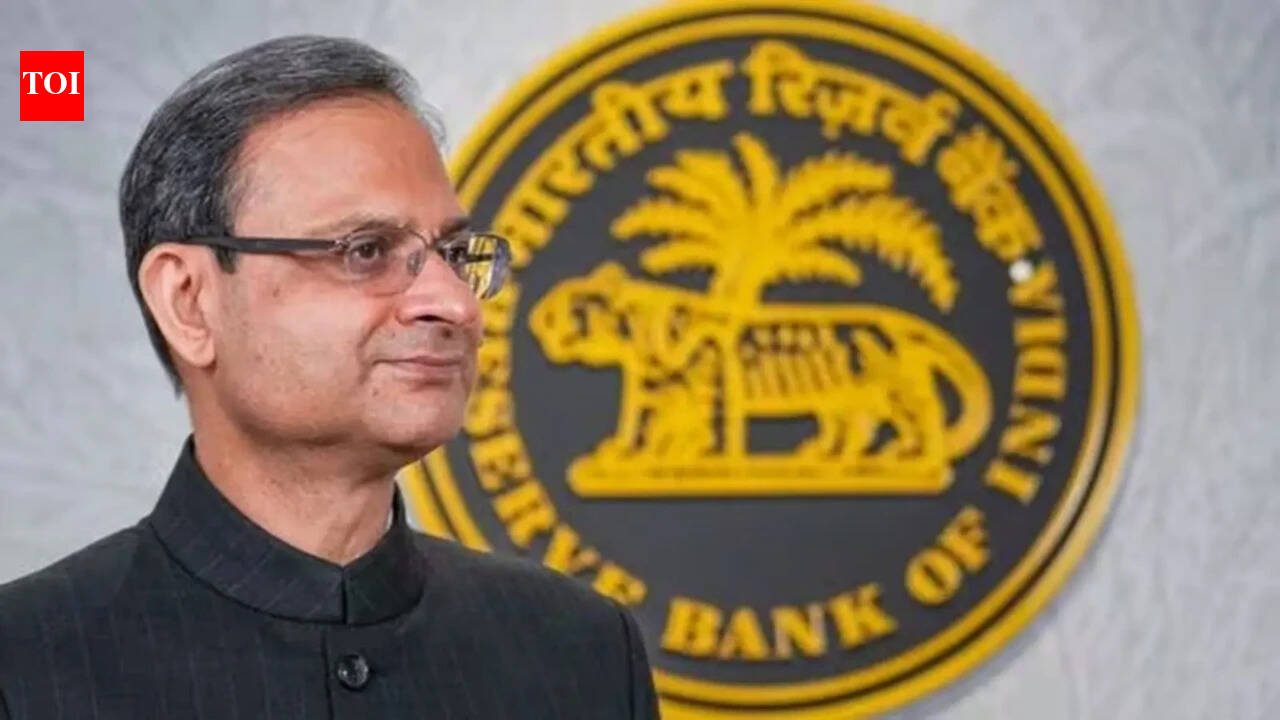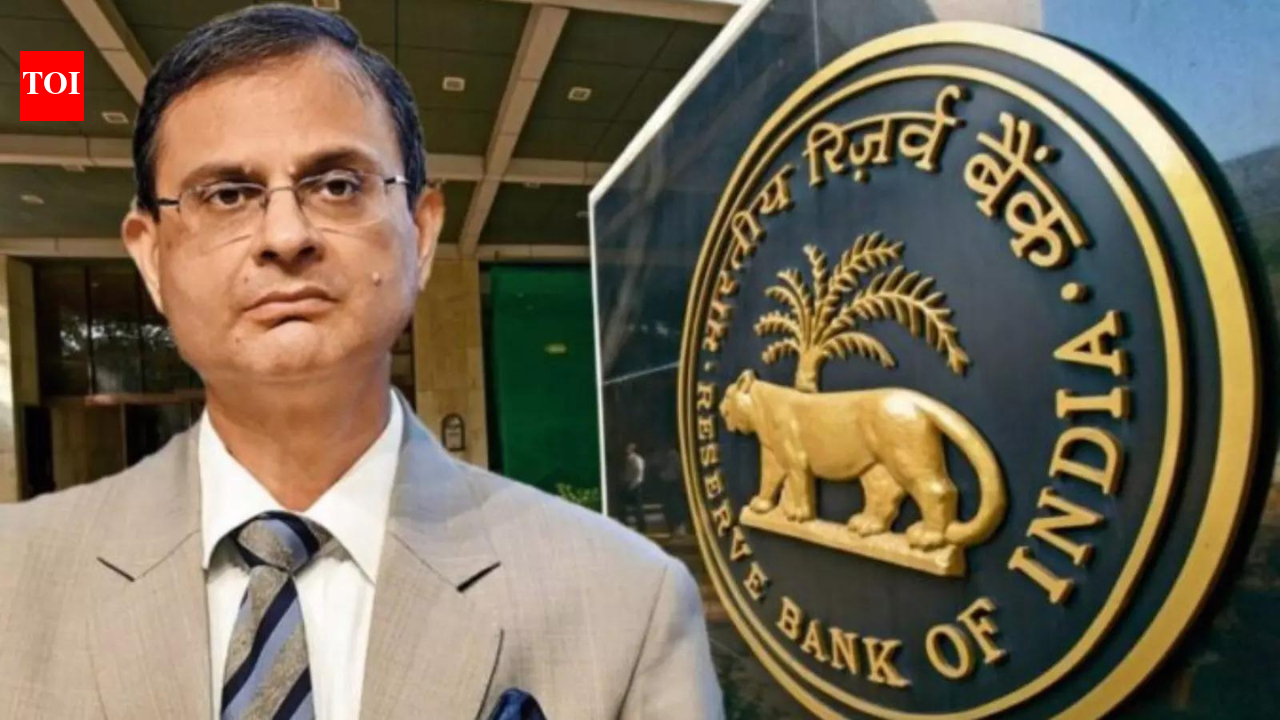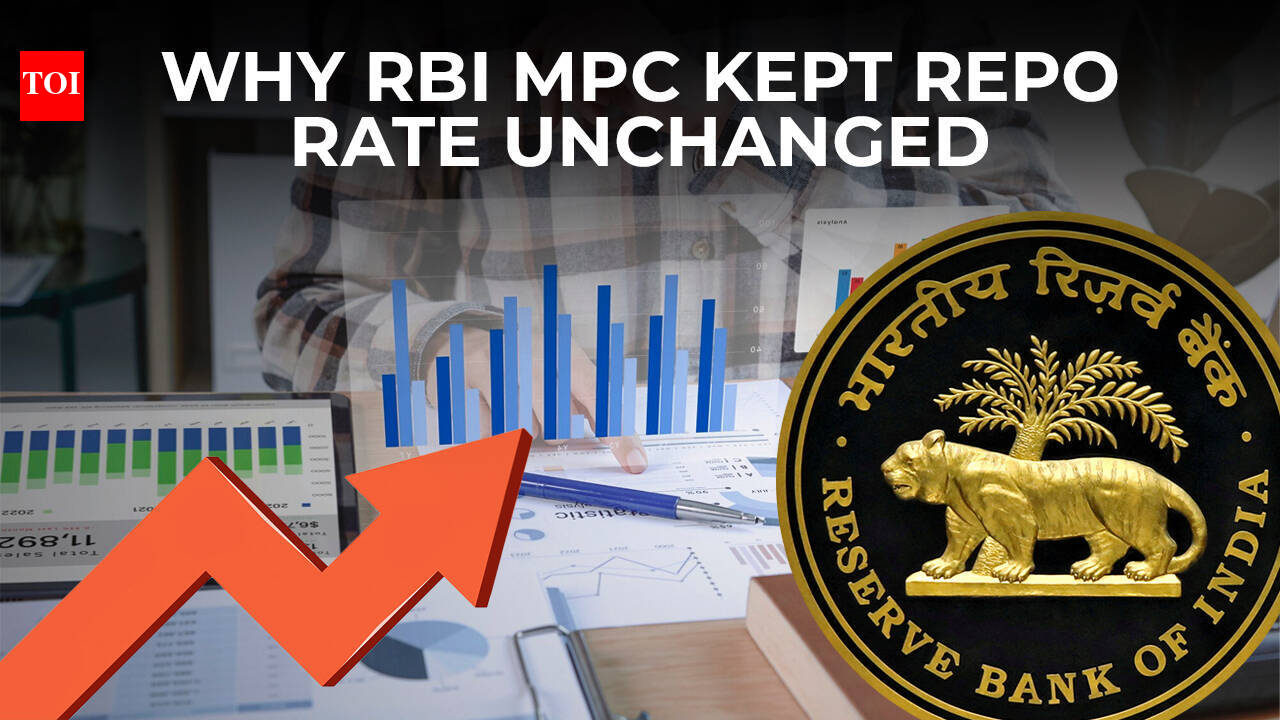
India's central bank held its benchmark repo rate at 5.25% on Wednesday, bucking a global tightening trend even as the US-Iran conflict disrupts crude supply chains and trade tensions cloud the world economy, according to Reserve Bank of India (RBI) Governor Sanjay Malhotra's monetary policy statement.
Global headwinds shaping the decision
The Monetary Policy Committee (MPC) unanimously decided to leave the policy repo rate under the Liquidity Adjustment Facility unchanged at 5.25%, Malhotra said. The MPC also unanimously resolved to retain its neutral policy stance.
The decision comes amid a backdrop of rising global inflation and central banks raising rates to keep price pressures in check, while the US-Iran conflict has unleashed a crude oil supply chain disruption since March, the RBI noted. Last week, the US Federal Reserve also opted to keep interest rates unchanged, even as some voices within the US central bank are supporting a hike to control inflation.
"Trade-related uncertainty has also persisted following the imposition of fresh tariffs by the United States," Malhotra said. "As a result, the global economic outlook has become more uncertain, with growth expected to moderate and inflation projected to be higher in 2026 than previously anticipated."
He added that crude oil prices, currency markets, and financial markets have remained highly volatile, responding to changing developments and uncertainties surrounding the West Asia conflict.
Why the MPC held the repo rate
The biggest factor behind the hold, according to the policy statement, is that while inflation has risen, the impact of cost pressures has not been widespread. Headline Consumer Price Index (CPI) inflation rose above the target in line with expectations, but inflation during the first quarter came in slightly below RBI's projections, indicating that transmission of higher input costs to consumer prices remained limited.
"The higher inflation is mostly on account of fuel and food with little signs of generalisation of price pressures so far," said Sanjay Malhotra.
Core inflation, excluding precious metals, has continued to remain subdued, the governor said. RBI expects headline inflation to rise further over the coming months and likely peak in the third quarter of FY27, mainly because of food and fuel prices, before easing thereafter.
Growth, meanwhile, continues to be robust. Economic activity is underpinned by strong domestic demand, steady expansion in the manufacturing and services sectors, and healthy export performance, reinforcing India's status as the world's fastest-growing major economy.
Revised inflation and growth forecasts
The MPC trimmed its inflation projection for the current financial year to 5% from 5.1%, while raising the GDP growth forecast to 6.7% from 6.6%, according to the policy statement.
| Indicator | Previous FY forecast | Revised FY forecast |
|---|---|---|
| CPI inflation | 5.1% | 5.0% |
| GDP growth | 6.6% | 6.7% |
"To sum up, even though headline inflation is projected to increase, it is primarily on account of supply side pressures caused by food and fuel; it is not getting broadbased; core inflation remains moderate and is expected to decline after peaking in Q3," Malhotra said.
Risks to the outlook
Malhotra stressed the need for greater clarity on the impact of El Nino and the West Asia conflict before further policy moves. "Growth, albeit resilient, is expected to be lower in 2026-27," he said. "The outlook, however, is hazy because of the uncertainties regarding south-west monsoon, El Nino, geopolitics and global trade policy. There is a need for greater clarity to emerge, especially regarding inflation, its path and composition before further action."
The RBI's decision to hold rates despite global headwinds signals a preference to wait for clearer evidence on monsoon behaviour, crude prices, and trade policy before adjusting the policy stance, with the MPC retaining room to act as inflation and growth data evolve through the year.
Sources: