A sharp deterioration in consumer sentiment alongside downgraded growth forecasts, rising inflation expectations and a weakening rupee has signalled a broad-based macroeconomic slowdown, according to the Reserve Bank of India's May 2026 survey rounds. Both households and professional forecasters turned more cautious over the near-term outlook, data from the Urban Consumer Confidence Survey and the 100th Survey of Professional Forecasters showed.
Deteriorating Consumer Sentiment
Urban consumer sentiment weakened further, with the current situation index falling to 90.7 in May from 95.7 in March, marking the third consecutive decline and keeping the index firmly below the 100 threshold that separates optimism from pessimism, according to the RBI survey. The future expectations index also slipped to 118.7 from 120.2, its lowest level since September 2023.
| Metric | March 2026 | May 2026 | Change |
|---|---|---|---|
| Current Situation Index | 95.7 | 90.7 | -5.0 |
| Future Expectations Index | 120.2 | 118.7 | -1.5 |
| Net Response: General Economic Situation | -8.6 | -16.5 | -7.9 |
| Net Response: Employment Conditions | -9.1 | -14.4 | -5.3 |
| Net Response: Income | 3.0 | 0.9 | -2.1 |
| Net Response: Overall Spending | 78.4 | 74.0 | -4.4 |
| Net Response: Non-essential Spending | 0.8 | -0.8 | -1.6 |
"Households reported worsening perceptions across key indicators." – based on survey covering 6,086 respondents across 19 cities.
The net response on the general economic situation deteriorated to minus 16.5 from minus 8.6 in March, while one-year-ahead expectations declined to 19.5. Employment conditions also weakened, with current perceptions falling to minus 14.4 from minus 9.1, and future expectations easing to 21.8 from 25.2.
Inflation and Spending Trends
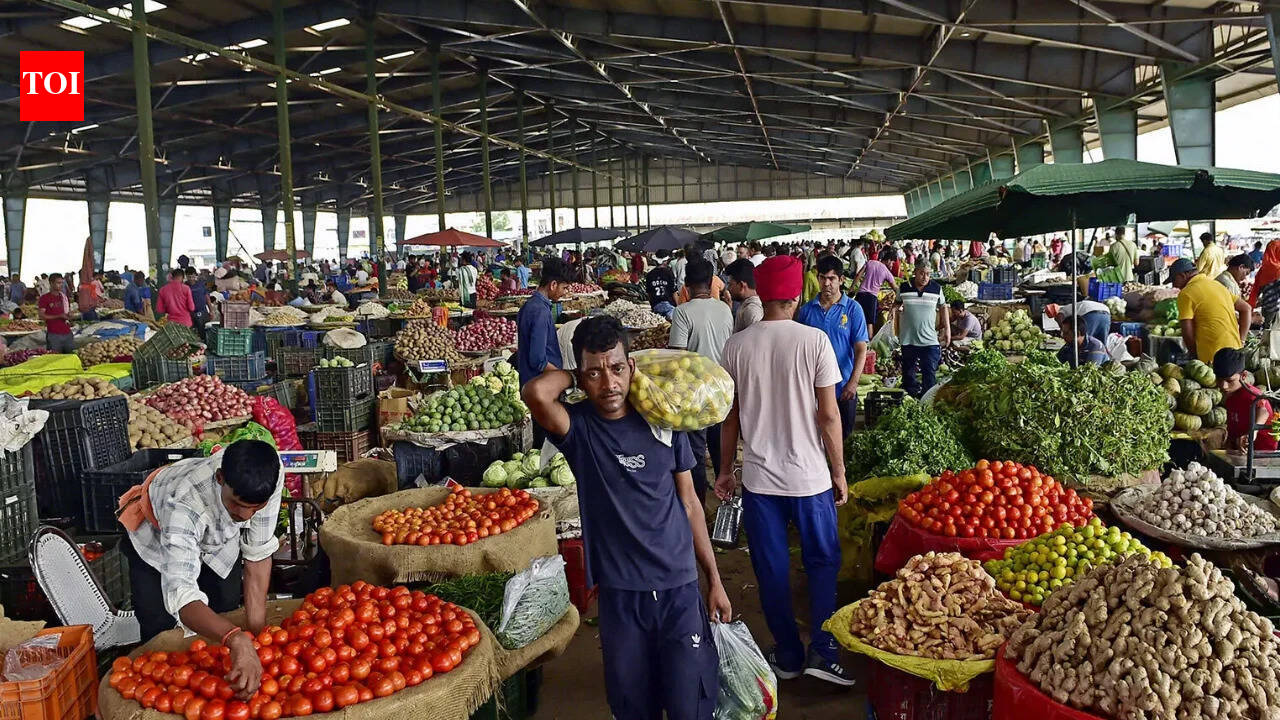
Price pressures remained acute. Around 91.6% of respondents said prices had increased over the past year. Income growth showed signs of stagnation, with the net response on current income falling to 0.9 from 3.0. Overall spending sentiment moderated to 74.0 from 78.4.
The decline in spending was driven by pulled-back discretionary consumption, as non-essential spending perceptions turned negative at minus 0.8 from 0.8 in March, even as essential spending remained relatively stable.
Professional Forecasters Turn Cautious
Professional forecasters mirrored this caution, lowering growth projections and revising macroeconomic assumptions in the 100th Survey of Professional Forecasters round. Real GDP growth for 2026-27 was revised down to 6.5% from 6.9%.
The most pronounced revision was the 60 basis point reduction in capital formation, indicating that firms may slow expansion plans amid rising costs and uncertain demand, according to the survey.
Implications for Corporates and Investors
For corporate executives and investors, the survey data points to weakening demand and rising cost pressures. The contraction in non-essential spending suggests consumers are tightening belts, which could weigh on revenues for companies in discretionary sectors. The downward revision in capital formation indicates that firms themselves are pulling back on investment, potentially slowing capacity expansion. The combination of elevated inflation expectations—91.6% of respondents seeing price increases—and stagnant income growth (net response at 0.9) squeezes household purchasing power, a key concern for consumer-facing businesses. The RBI's next policy move will be closely watched, as the weakening rupee and inflation may limit room for rate cuts despite the slowing economy.
Next milestone: The RBI's monetary policy committee meeting is scheduled for June 2026, where it will decide on interest rates based on these survey findings.
Sources: