UK households owe more than £7bn in unpaid bills to water, broadband and energy companies, and the vast majority of them do not know that financial help is available, according to a report from the National Audit Office (NAO). The debt total, which stood at over £7bn by March last year, has likely increased since, the spending watchdog said.
The Scale of Household Debt
Household energy debt has surged 118% since 2021, driven largely by the rise in wholesale energy prices following Russia's invasion of Ukraine, the NAO reported. The study covered the work of the three utility regulators – Ofgem (energy), Ofcom (broadband and telecoms), and Ofwat (water).
Awareness of support schemes remains critically low. Only a third of eligible broadband customers and 39% of water customers who were struggling to pay their bills knew about social tariffs, the NAO found. Energy customers who had agreed repayment plans owed on average £1,000 less than those in debt who had no such plan.
Regulatory Gaps and Consumer Harm
"Regulators have made progress to support consumers, but they're not keeping up with the pressure now facing millions of households," said Gareth Davies, head of the NAO. "With debt rising sharply, it's more important than ever to make regulation work so that people know what support is available and can contact essential providers when they need to."
Sir Geoffrey Clifton-Brown, who chairs the Commons Public Accounts Committee, criticised basic billing errors that push households deeper into debt. "It remains too difficult for consumers to contact companies when things go wrong, financial support is poorly promoted, while basic billing errors are pushing households further into debt," he said. He acknowledged that Ofgem, Ofcom and Ofwat have made some progress but said they "must now act with far greater urgency."
The NAO also noted that awareness of the Priority Services Register – a UK-wide scheme that helps utility companies identify and support customers with extra communication, access or safety needs – remained low.
Personal Impact: A Pensioner's Story
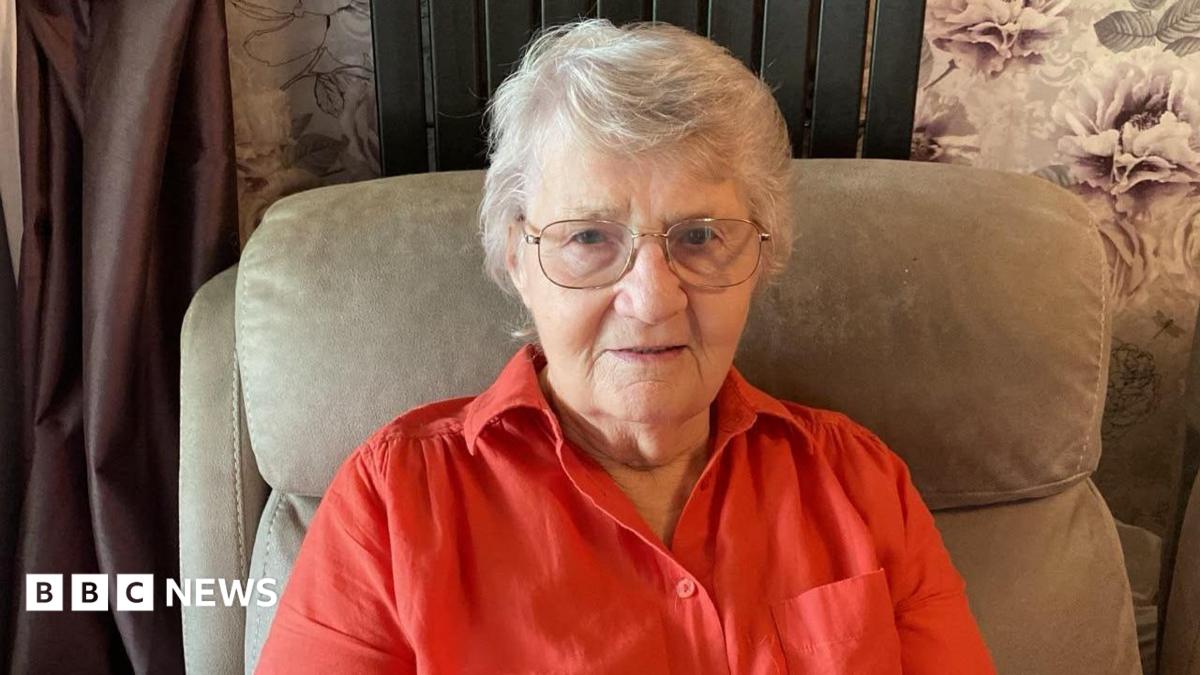
Linda, aged 70, told the BBC that she had never been in debt before but now owes hundreds of pounds on her utility bills. The credit on her energy meter often ran out three or four days before she received her pension. "I could afford my bills before, but I'm really struggling now," she said. She added that her energy supplier had been helpful after she disclosed her difficulties, but that even with instalment repayments, "the debt is not going down." She relied solely on a state pension.
Business Implications and Next Steps
For executives and investors in the UK utility sector, the NAO's findings signal rising regulatory and reputational risk. The three regulators – Ofgem, Ofcom and Ofwat – have stated that helping vulnerable customers is a priority and that reforms are being implemented, but the NAO says more urgent action is required. Utility companies may face increased pressure to improve billing accuracy, proactively identify struggling customers, and promote social tariffs and repayment plans. Failure to do so could invite stricter regulatory oversight or public backlash as household debt continues to climb.
The NAO report serves as a reminder that consumer debt in essential services is not merely a social issue but a structural challenge for regulated industries, with potential implications for bad-debt provisions, customer churn, and future tariff-setting decisions.
| Support Awareness | Eligible Customers Aware |
|---|---|
| Broadband social tariffs | 33% |
| Water social tariffs | 39% |
| Energy repayment plans (average debt saved) | £1,000 less owed |
Additional reporting by Bobbi Huyton.
Sources: