Marriott International has observed that strong domestic travel in India is mitigating the impact of the West Asia war on inbound tourism, according to statements by company executives to the Times of India.
Impact on Inbound Travel
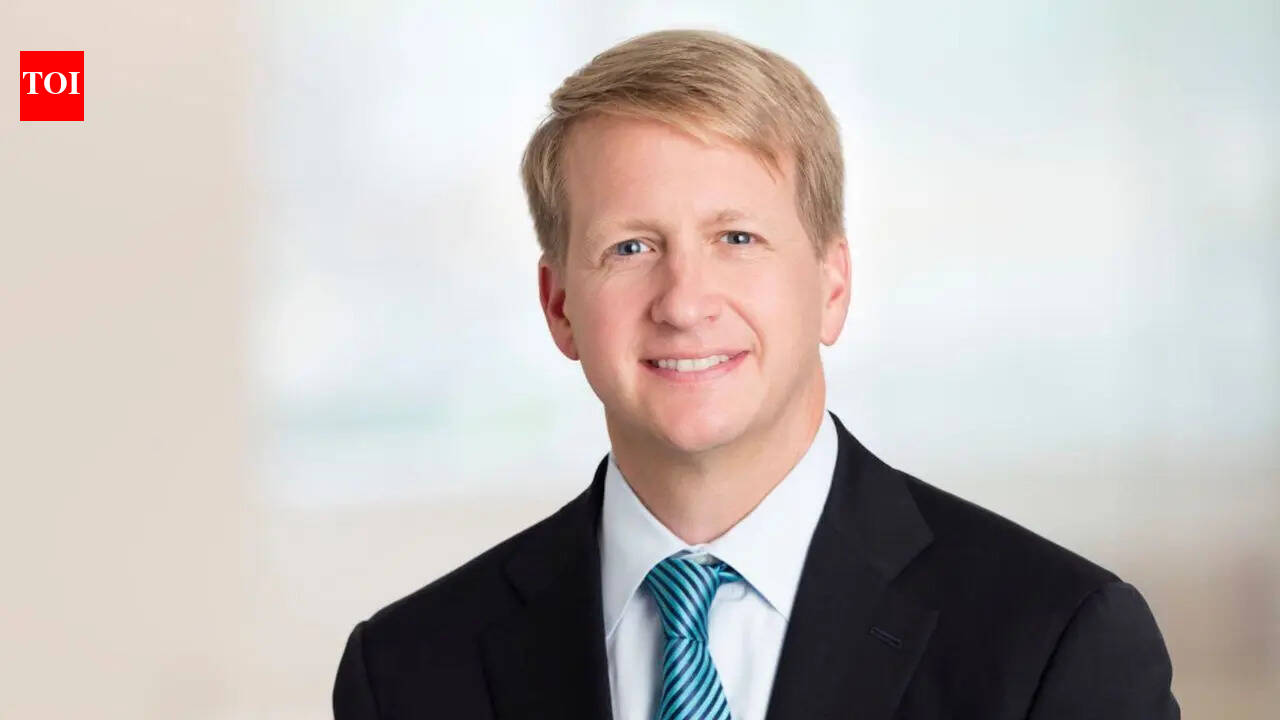
David Marriott, chairman of the board of Marriott International, told TOI that over 40% of people flying to India and other parts of Asia from the west do so via the Middle East (West Asia). "That has slowed down inbound," he said. The conflict has disrupted a key transit corridor, reducing international visitor arrivals.
Domestic Travel Resilience
Despite the drop in inbound traffic, Indian travellers are adapting. "The good news is local travellers are changing their trip destinations and staying largely within the country. They are not staying home but still hitting the road," Marriott said. This shift has helped maintain occupancy levels in the domestic market.
Business Recovery and RevPAR Data
After a dip in March, business has returned to normal. Rajeev Menon, Marriott's president for Asia Pacific (excluding China), provided a month-by-month breakdown:
| Month | RevPAR Growth Trend |
|---|---|
| March (first full month of conflict) | Projected double-digit growth turned negative |
| April | Shifted from flat to marginally positive |
| May | Returned to double-digit growth |
| June (current month) | Same as May; forward bookings strong |
Menon noted, "Right as the conflict started, we saw a lot of cancellations. In March, the first full month, we were projecting double-digit RevPAR growth in India. That turned negative." He added that travellers pivoted rather than cancelled entirely.
Marriott's India Expansion and Workforce
Marriott International is bullish on India. David Marriott stated, "India will soon be the third biggest market in terms of presence, overtaking Mexico, and behind our home country, US, and China." The chain currently operates 6,000 hotels in the US, 700 in China, under 300 in Mexico, and 220 in India. With a strong pipeline, India will soon surpass Mexico.
India's hospitality culture is a key asset. "India has an incredible hospitality culture, one of the finest in the world. We have taken a large number of professionals from India to work in properties abroad and now that we are on our way to have 300-plus hotels here, they are coming back to work here in their home country," Marriott said.
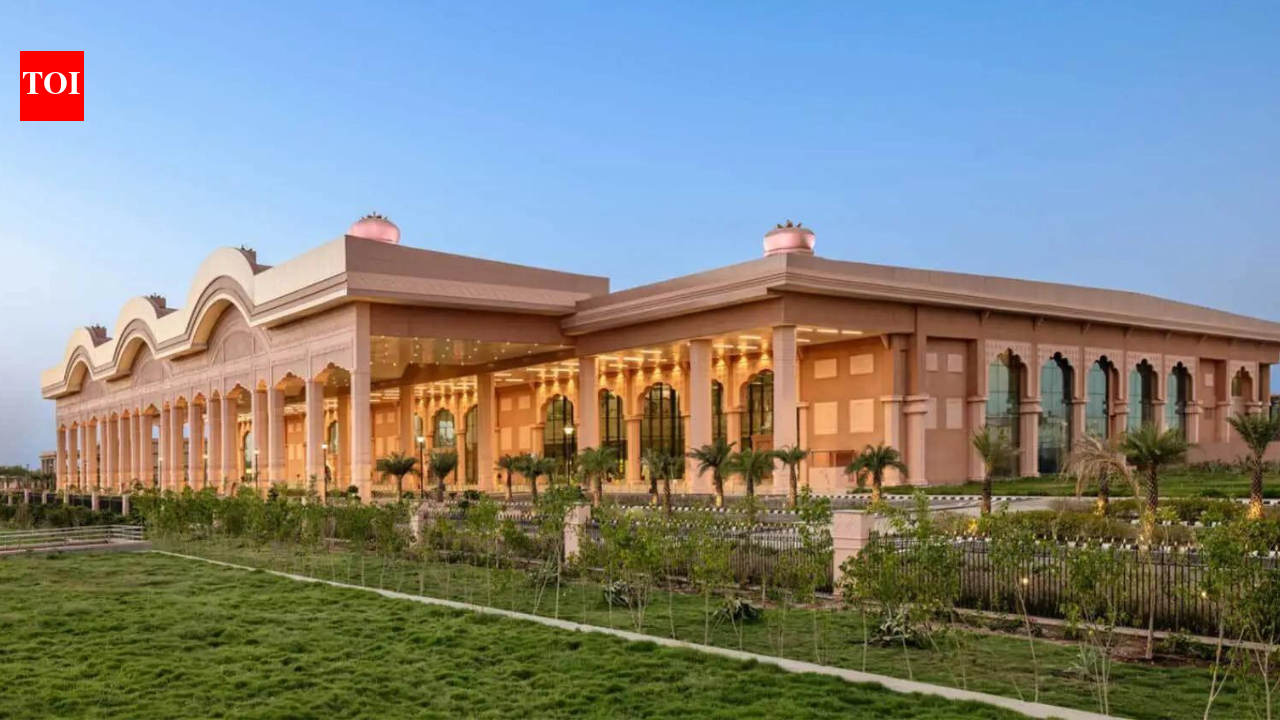
The company's landmark 10,000th property opened in Ranthambore, a JW Marriott. The opening coincided with the birth anniversary of David Marriott's late mother, Donna Garff Marriott, adding personal significance.
Future Outlook
The world's largest hotel company expects a strong rebound once the conflict ends. "The way we bounced back post the pandemic, travel will be back. And, stronger than before," Marriott said. For trade executives, the sustained domestic travel indicates continued business activity within India, while inbound recovery will depend on the resolution of the West Asia conflict and restoration of Middle East transit routes.
Sources: