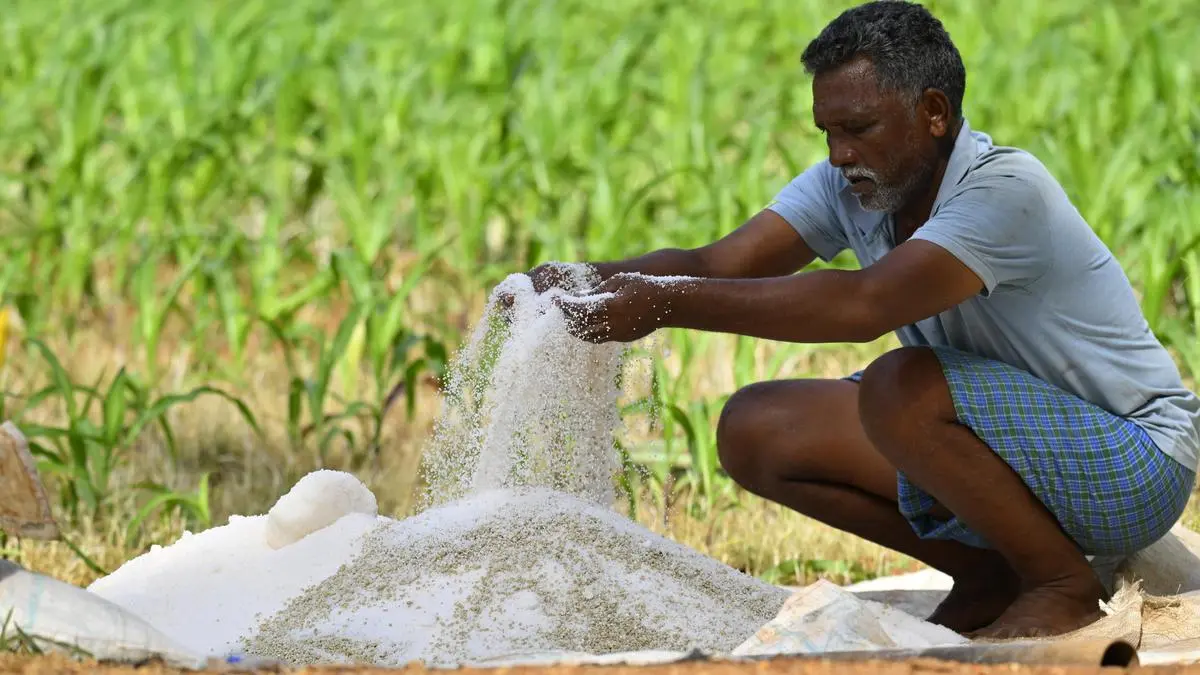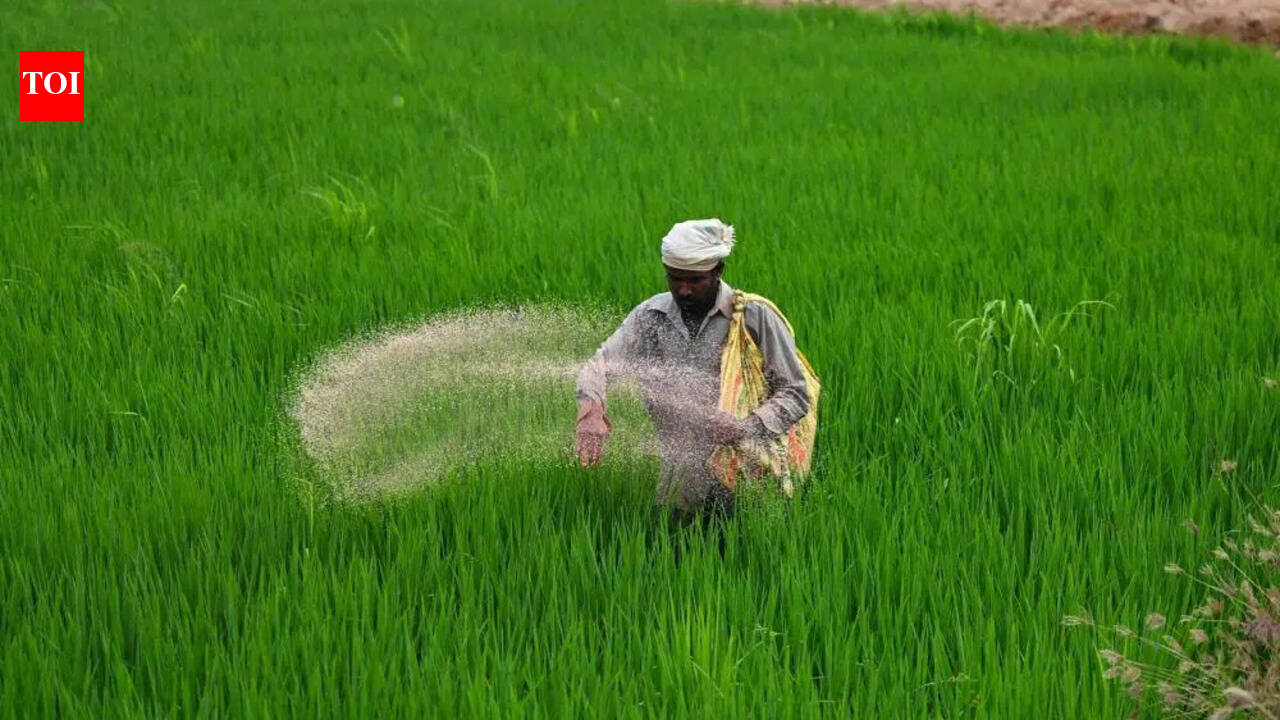
India is set to add 25.4 lakh tonnes of annual urea production capacity with two new high-capacity fertiliser plants expected to begin operations shortly, according to PTI. The announcement, reported by the Ministry of Chemicals and Fertilizers, signals a further step toward reducing the country's dependence on imported urea.
Supply-Side Boost: Capacity and Production Trends
Since 2014, the government has established six mega urea plants, adding a combined annual capacity of 76.2 lakh tonnes. The two upcoming units will add another 25.4 lakh tonnes, lifting total new capacity to over 100 lakh tonnes. According to the ministry, domestic urea production rose from 225 lakh tonnes in 2014-15 to a record 314.07 lakh tonnes in 2023-24, and stood at 306.67 lakh tonnes in 2024-25.
| Metric | 2014-15 | 2023-24 | 2024-25 |
|---|---|---|---|
| Urea production (lakh tonnes) | 225 | 314.07 | 306.67 |
| P&K fertiliser production (lakh tonnes) | 159.54 | — | 211.22 |
Phosphatic and Potassic (P&K) fertiliser output also touched a record 211.22 lakh tonnes in 2024-25, up from 159.54 lakh tonnes in 2014-15. Public and private sector companies continue to expand capacity through new P&K projects, the ministry added.
Import Dependence and Domestic Demand
Despite rising output, India still imported more than 100 lakh tonnes of urea during the 2025-26 fiscal year. The ministry noted that the new plants will help ease import dependence by substituting foreign volumes with domestic production. The government said fertiliser availability remains adequate for the ongoing kharif sowing season, ensuring supply to farmers.
Price Stability and Subsidy Shield
The Ministry of Chemicals and Fertilizers stated that the Centre has absorbed the impact of rising global fertiliser prices to keep retail rates unchanged for farmers. A 45-kg bag of urea continues to be sold at a subsidised price of Rs 266.50, despite global prices exceeding Rs 4,100 per bag. Similarly, DAP (di-ammonium phosphate) is retailed at Rs 1,350 per 50-kg bag against a global price of around Rs 5,000 per bag.
"The Modi government has kept the interests of the farmers paramount by absorbing international inflationary shocks. While geopolitical conflicts have sent global prices soaring, the retail price of fertilisers for Indian farmers has not been raised by a single paisa," the ministry said.
Geopolitical Resilience and Logistics
The government highlighted proactive measures to secure fertiliser supplies amid geopolitical disruptions. "Despite severe geopolitical conflicts in West Asia causing skyrocketing prices, acute shortages of natural gas, and heavily delayed shipping lines, the Government has mounted a proactive, war-footing response to ensure seamless fertilizer sufficiency," the ministry said. To address shipping delays around the Strait of Hormuz, authorities rapidly explored alternative transit routes and engaged diplomatic channels to source materials directly from global producers.
India's fertiliser security remains strong, stable, and well-managed, with availability consistently exceeding requirements across all major fertilisers, according to the ministry. The addition of the two new urea plants will further reinforce domestic supply and reduce vulnerability to global price swings and logistical bottlenecks.
Sources: