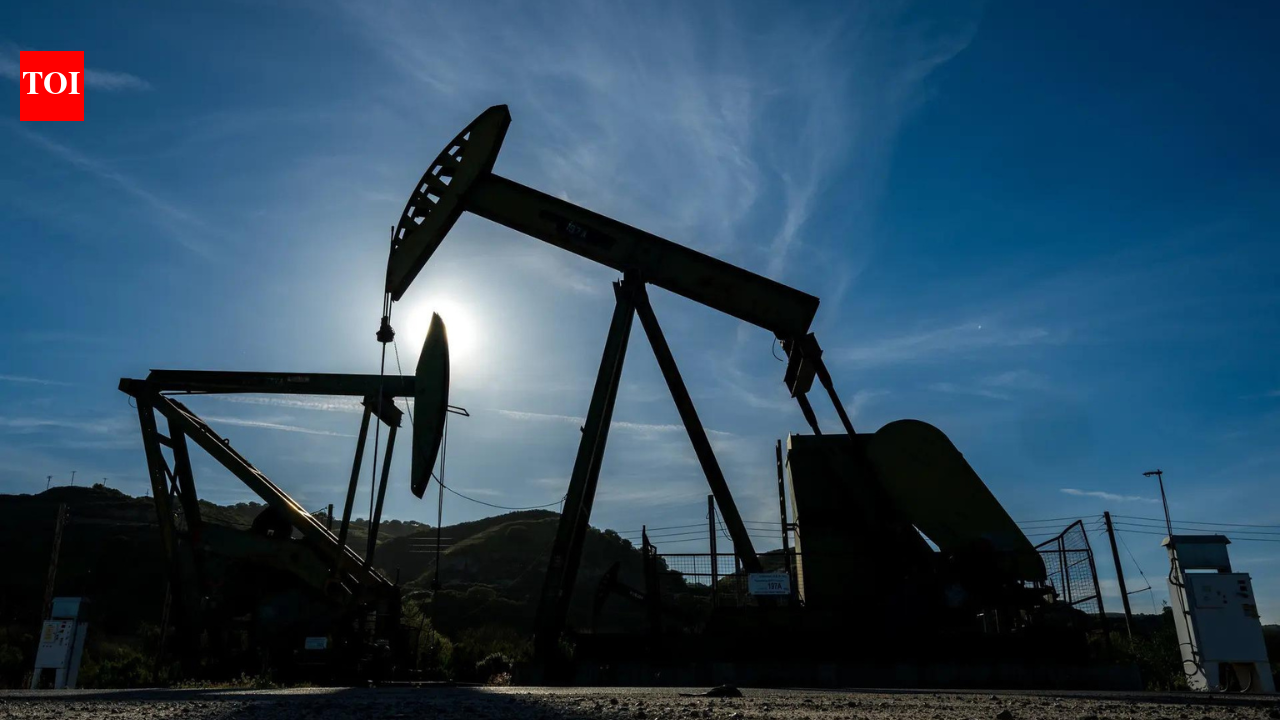
Brent crude, the international oil benchmark, surged 1.6% to $97.51 per barrel on the Intercontinental Exchange (ICE), inching closer to the critical $100 mark. This price represents a week-over-week increase of 1.6% and a year-over-year rise of 12.3%.
Geopolitical Tensions Drive Prices
The recent price surge is primarily driven by escalating tensions in the Middle East. The US military reported that Iran fired missiles towards Kuwait and Bahrain, which failed to hit their targets. In retaliation, the United States struck an Iranian military ground control station on an island in the Strait of Hormuz.
Supply Concerns Amidst Conflict
The conflict has intensified supply concerns, as the Strait of Hormuz is a critical chokepoint for global oil shipments. OPEC+ compliance rates remain high, but the potential for further disruptions looms large. US EIA inventory data shows a slight drawdown, adding to the supply-side pressures.
Demand Dynamics
Despite the geopolitical unrest, demand remains robust. China's industrial activity has shown signs of recovery, bolstering demand for crude. The International Energy Agency (IEA) projects a steady increase in global oil consumption, driven by economic recovery in major markets.
Price Outlook
Looking ahead, the market will closely monitor developments in the Middle East. Any resolution between Washington and Tehran could ease supply concerns and stabilize prices. Key upcoming data releases include the US EIA's weekly petroleum status report and OPEC+'s monthly production data.
"The geopolitical tensions have injected significant volatility into the oil markets, with prices reacting sharply to any developments," said an analyst from Goldman Sachs.
| Metric | Current | Week-over-Week Change | Year-over-Year Change |
|---|---|---|---|
| Brent Crude Price | $97.51/barrel | +1.6% | +12.3% |
| US EIA Inventory | Drawdown | -0.5% | -3.2% |