Equinor and its partners have agreed on the development concept for the Ringvei Vest subsea project, a tieback to the Troll B platform in the Norwegian North Sea, according to Splash247. The project is expected to contribute 240 million barrels of oil equivalent from eight discoveries and one prospect, spread across eight licences.
Project Scope and Discoveries
The discoveries included in the Ringvei Vest project are:
- Grosbeak
- Swisher
- Mulder
- Kveikje
- Toppand
- Røver Sør
- Røver Nord
Additionally, the prospect Grønngylt is included. The resources are spread across eight licences. As the operator in all the licences, Equinor evaluated different solutions on which discoveries to include in the development, as well as the host platform.
"We estimate that Ringvei Vest will contribute 240m barrels of oil equivalent. A solid effort has been put in over a long period, and I am confident that together with partners and authorities, we have arrived at the best development solution, which also ensures optimal resource utilisation," said Kjetil Hove, Equinor's EVP for exploration and production in Norway.
Infrastructure and Development Plan
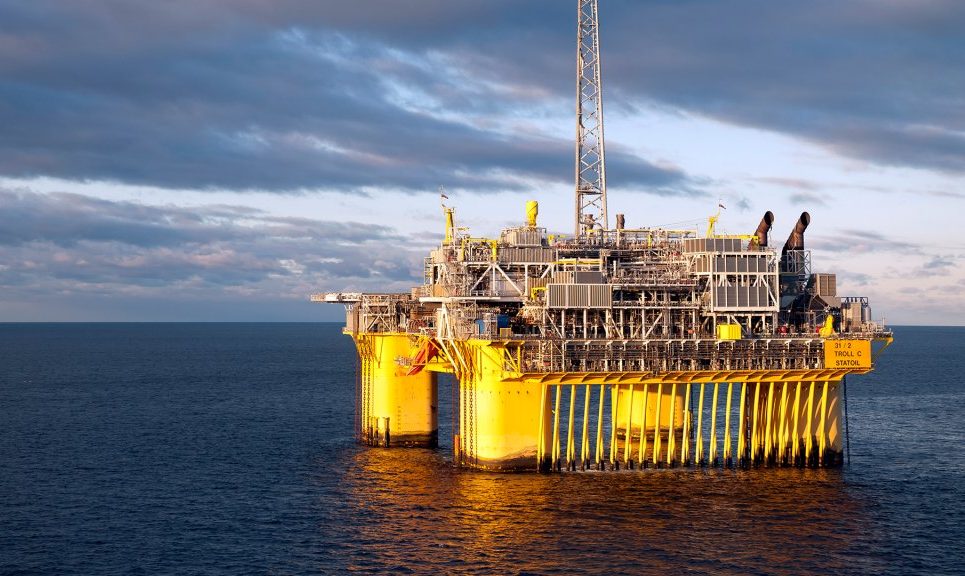
Ringvei Vest covers a large area, and the plan is to drill a total of 13 wells through six templates. The well stream will be separated on the seabed before being transported to Troll B, which also provides power for the subsea facilities. The wells are planned to be controlled from Troll B. From the platform, the oil will be transported to Mongstad and the gas to Kollsnes. Troll B is partially shore-powered, enabling oil and gas production in Ringvei Vest with low emissions.
Equinor's Production Targets and Strategic Context
"To maintain a high activity level and reliable energy supplies to Europe, it is important to develop marginal discoveries near existing infrastructure and collaborate across licences. Equinor aims to increase our equity production from the Norwegian Continental Shelf to 1.3m barrels per day in 2035," says Hove. The Ringvei Vest project aligns with this strategy by tying marginal discoveries to existing infrastructure.
Timeline and Next Steps
The decision on continuation is planned for the end of the year. However, the timeline for the final investment decision, submission of the development and operation plan, and production start-up has not yet been decided, according to Splash247.
For commodity traders and analysts, this project represents a long-term addition to North Sea supply, but immediate price impacts are minimal as the project is still in the concept phase. The focus on low-emission production via shore power may influence future regulatory trends for offshore developments in the region.
Sources: