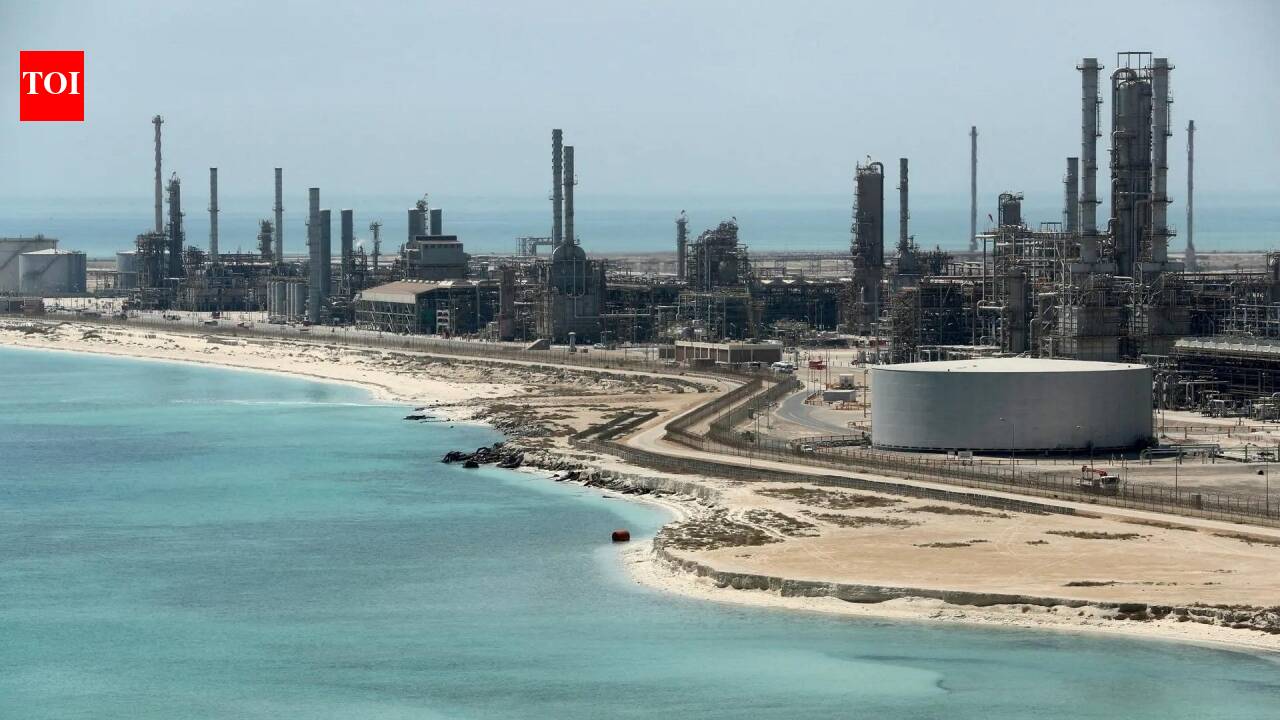
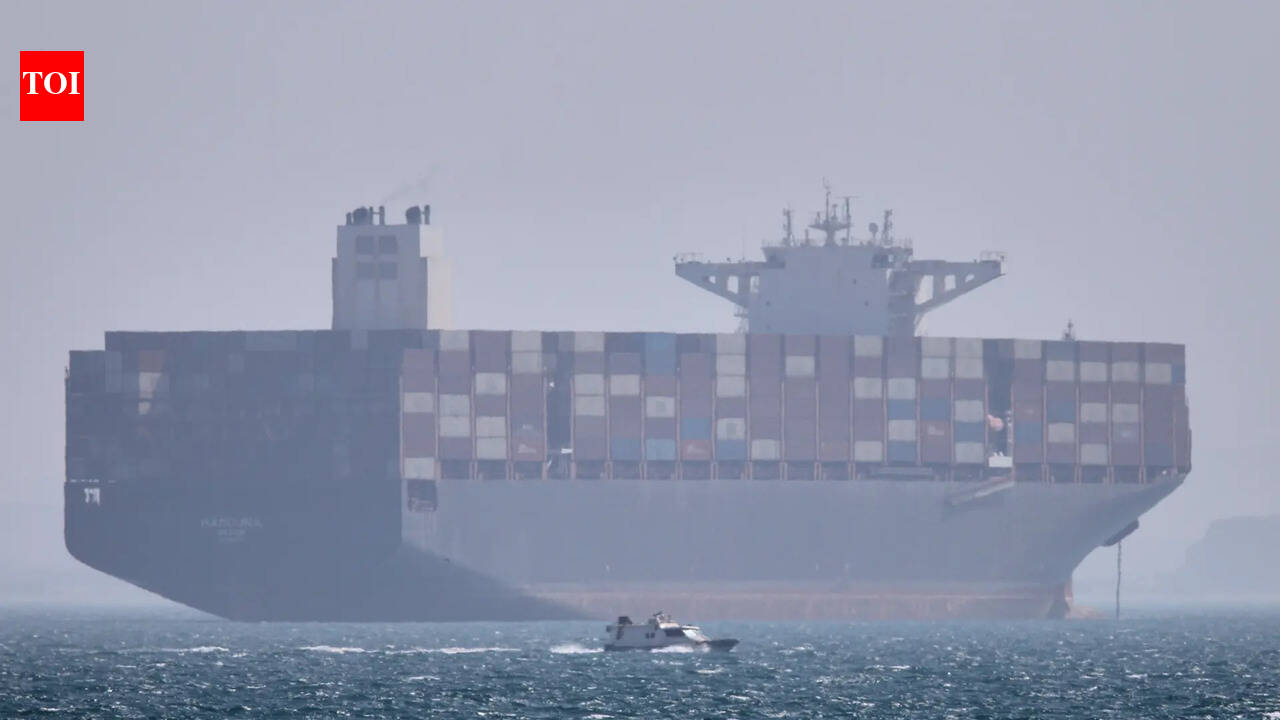
PetroChina and Indian Oil Corp (IOC) have failed to secure very large crude carriers (VLCCs) to lift Iraqi Basrah crude in late June, according to company and shipping sources cited by Reuters on Thursday. Another Chinese major, Sinochem, is also hunting for a tanker but has not yet succeeded. The disruptions are driving ocean freight rates to extreme levels and forcing buyers to declare force majeure, directly impacting crude supply chains from the Middle East to Asia.
The enquiries from Chinese state energy firms follow an interim deal between the United States and Iran to end their war and reopen the Strait of Hormuz, a vital waterway for Middle East energy supplies. However, despite the peace deal, fixing a vessel remains complicated due to astronomical rates and contractual uncertainties.
Trade Lanes and Affected Operations
PetroChina had sought a VLCC to load from Iraq's Basrah Oil terminal between June 25 and 30, two shipping sources told Reuters. Each VLCC can carry 2 million barrels of oil. The Chinese major received at least six offers at worldscale points of 650 to 750 — rates nearly triple those charged before the US and Israel launched the war in late February. The worldscale measure is used by the shipping industry to calculate freight rates.
IOC, India's largest refiner, failed to secure a VLCC in a tender last week for lifting oil from Iraq on June 22 and 23 and delivering to Paradip port on India's east coast. A source familiar with the matter said IOC did not receive any offers at all. Subsequently, IOC issued a force majeure on the cargo.
Meanwhile, Sinochem sought a VLCC to load oil in the Gulf between June 20 and 30 for Asia, the shipping sources said. It was not immediately clear if the company would succeed in finding a vessel.
Freight Rate Benchmarks
The following table summarizes the rate offers received by PetroChina compared to pre-war levels:
| Indicator | Pre-war (late February) | Late June offers | Change |
|---|---|---|---|
| Worldscale points (VLCC Basrah) | Estimated ~220-250 | 650-750 | Nearly tripled |
*Note: Pre-war exact figures not provided in source; 'nearly triple' stated by shipping sources.
Shipper and Operator Implications
A PetroChina official stated: "There are tankers available, but the problem is it's too expensive and there is no guarantee you can exit the strait." One of the shipping sources told Reuters that securing supplies from the Gulf would likely remain complicated despite the peace deal. "It'll be still difficult to fix a vessel due to the rate, and I assume that both parties need to agree to some special clause (in the contract for transiting the strait)," the source said.
For freight forwarders and logistics managers handling crude oil shipments, the key takeaways are:
- Extreme rate volatility: VLCC rates from Basrah have skyrocketed, making spot chartering prohibitive.
- Contractual complexity: Special clauses for Strait of Hormuz transit are likely required, adding negotiation time.
- Force majeure risk: Shippers like IOC have had to nullify cargoes due to lack of offers.
- Limited vessel supply: Despite tanker availability, owners demand premium compensation for war risk and transit uncertainty.
Watch List
- Strait of Hormuz reopening: The US-Iran peace deal's implementation timeline and any remaining security issues will determine if rates stabilize.
- Sinochem's tender outcome: Whether Sinochem secures a VLCC will indicate if the market is easing or remaining tight.
- Further force majeure declarations: More Asian refiners may follow IOC's lead if rate offers remain unattractive.
- Worldscale adjustments: Potential revisions to base rates by the industry in response to geopolitical risk.
PetroChina and Sinochem did not immediately respond to Reuters' requests for comment, and IOC also did not respond. The situation underscores how geopolitical events can cascade into acute logistics bottlenecks, even after a ceasefire is announced.
Sources: