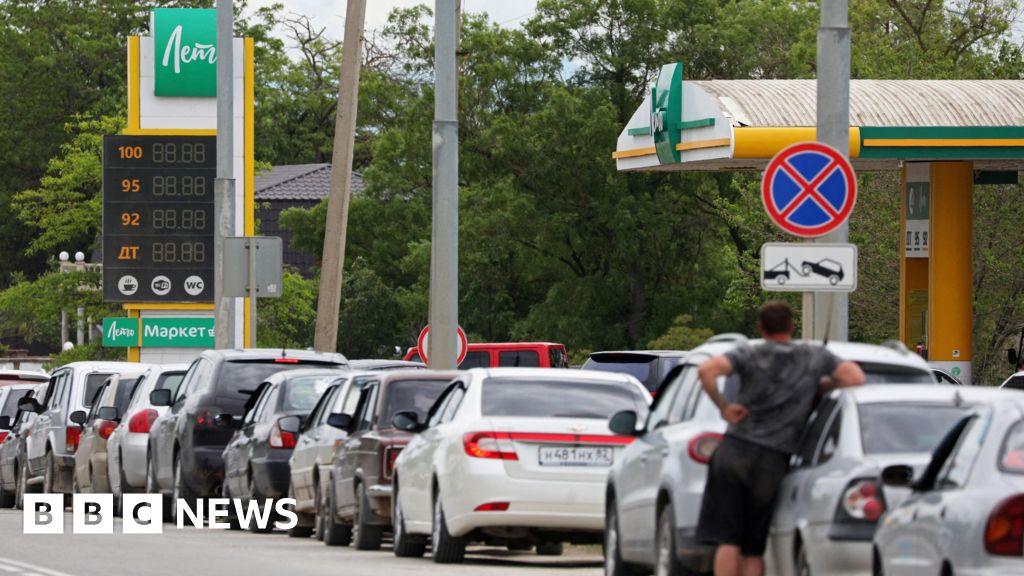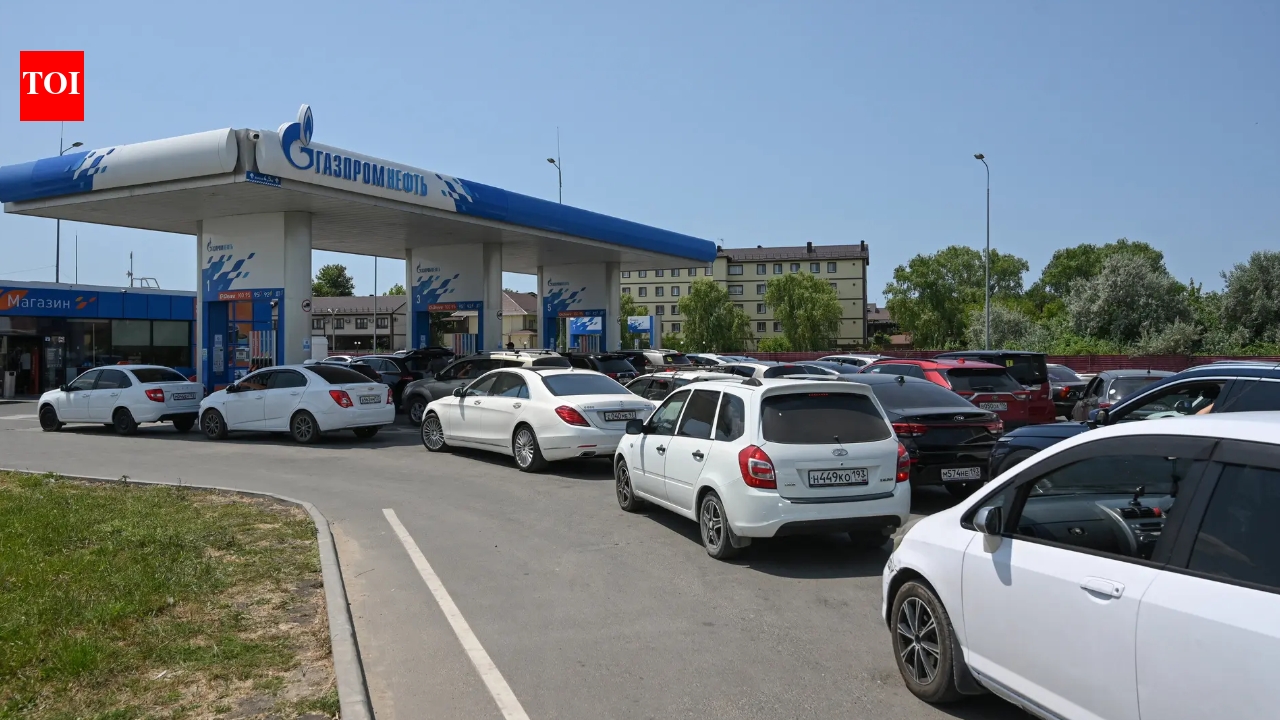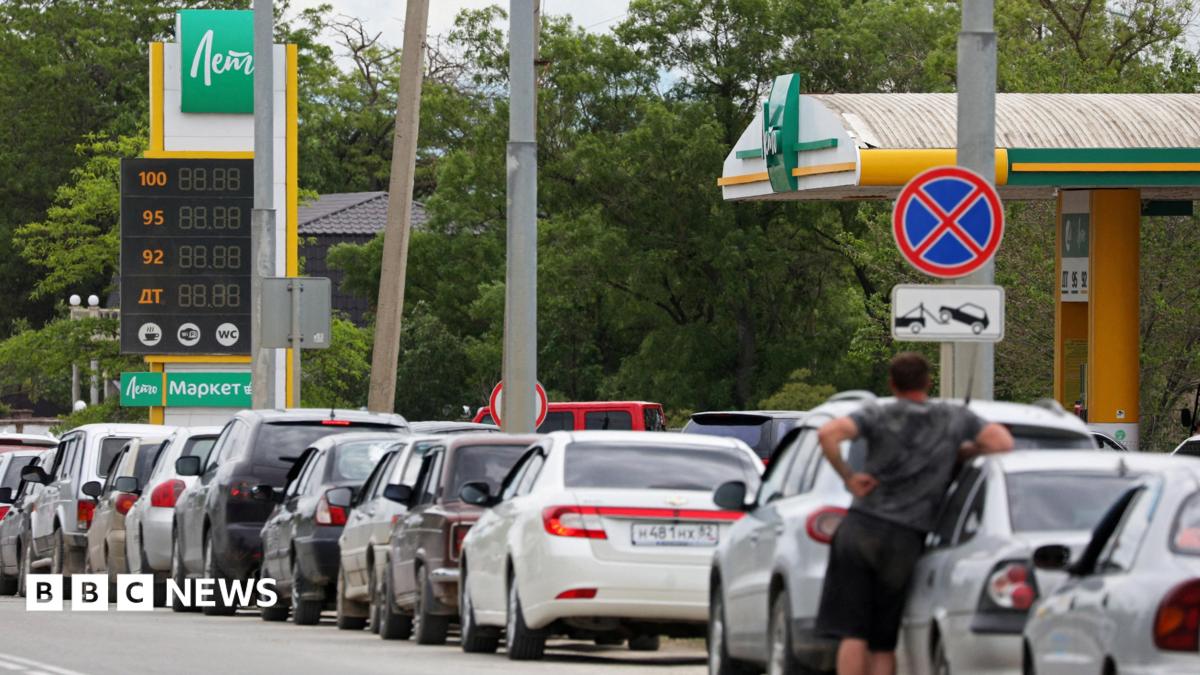
Russian-backed authorities in occupied Crimea have suspended fuel sales to the public, the BBC reported, as Ukraine continues its campaign against supply routes in Russian-occupied territories. Governor Sergey Aksyonov said individuals and businesses would be turned away from petrol stations, and fuel would only be sold to government agencies ensuring Crimea's "functioning and security." Fuel had already been rationed due to shortages caused by Ukraine's recent attacks on logistics routes.
Supply disruption and Ukraine's military campaign
The suspension follows a Ukrainian drone attack on an oil depot in Kerch overnight, which Governor Aksyonov said killed four people and injured 28. President Volodymyr Zelensky called the attack a "just response to Russia's brutal attacks." He also stated that Kyiv had hit a logistics facility for oil transportation in Russia's Krasnodar region, which lies adjacent to Crimea across the Kerch Strait. Local authorities reported one person killed on a passenger ferry. Additionally, military logistics facilities and radar systems were struck, Zelensky said, without specifying locations.
Russia's defence ministry said 239 Ukrainian drones had been shot down overnight. The drone attack on the Kerch oil depot is part of a broader Ukrainian strategy to disrupt Russian fuel supplies and logistics.
Strategic and economic implications
Crimea, which Russia illegally annexed in 2014, has experienced logistical difficulties and shortages, but the current fuel restriction is the most significant to date, according to the BBC. The peninsula is strategically important as a launchpad for Russian strikes into Ukraine and is also a popular summer holiday destination for Russians. Some holidaymakers have reported struggling to find petrol to return home.
Kyiv's focus has been to choke off revenue for Moscow's war chest by hitting its fuel exports, the BBC reported. It also aims to undermine the Russian war effort and maximise disruption for its population, in hopes of pressuring President Vladimir Putin to negotiate. So far, however, there is little sign he is ready to talk, having rebuked Zelensky's request for face-to-face talks in early June.
| Key impact | Details |
|---|---|
| Fuel sales halt | Public sales suspended; only government agencies served |
| Kerch oil depot attack | 4 killed, 28 injured (drone attack) |
| Krasnodar logistics facility hit | 1 killed on passenger ferry; oil transport disrupted |
| Drone defence | Russia claimed 239 Ukrainian drones shot down |
| Holiday travel disruption | Some Russians unable to find petrol to return home |
Escalation and broader conflict context
Both sides have escalated attacks in recent months, with progress towards a ceasefire stalling more than four years after Russia's full-scale invasion. Ukraine has developed a booming defence sector, rapidly advancing its mid- and long-range drone capabilities and offering advice and expertise to allies, the BBC reported. But this success is a double-edged sword: for every strike that gets through and embarrasses Putin, there is an inevitable reply.
On Thursday, Ukraine struck an oil refinery in Moscow in its largest attack of the full-scale war so far, causing specks of black oil to rain down on the city. The people of Kyiv and beyond are now bracing themselves for Russia's response.
Zelensky said at least seven people had been killed in Russian attacks over the weekend, with children among more than 30 injured. "Russia understands only strength, and our long-range strength is certainly working for peace," he said in a statement posted on X.
Sources: