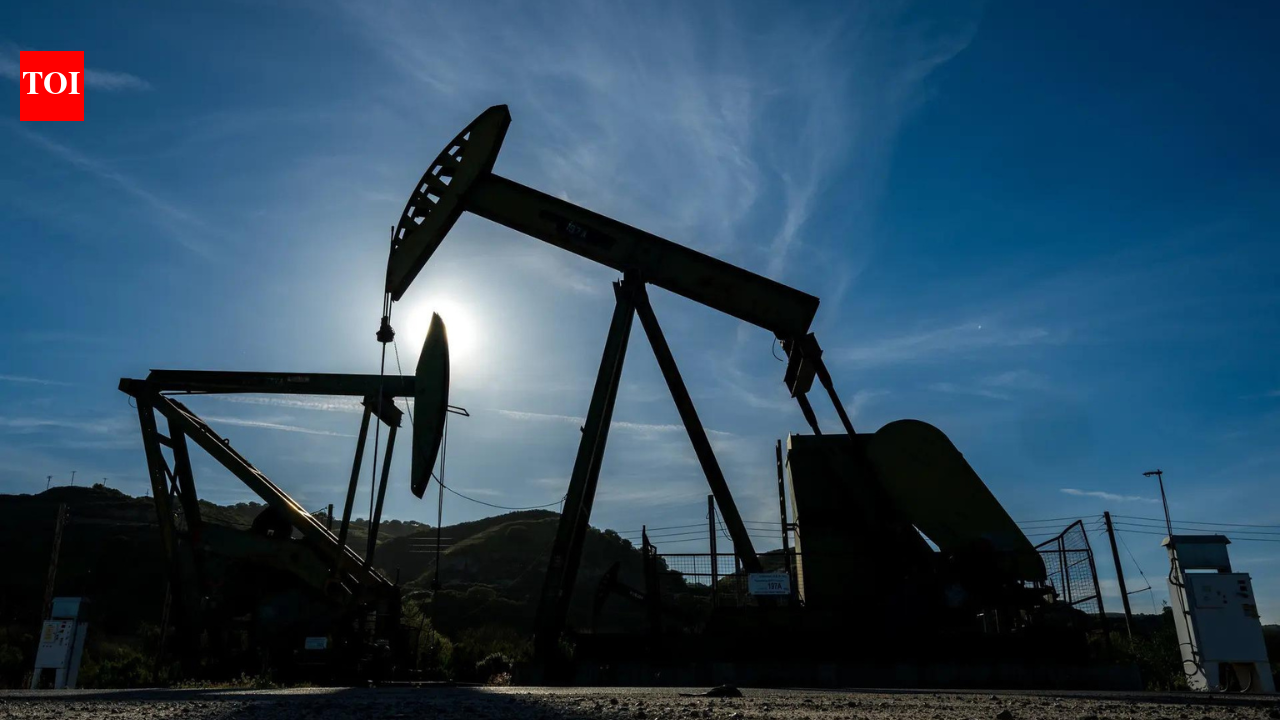
The Strait of Hormuz is back in business after more than 100 days of disruption, with 62 million barrels of crude set to leave the pipeline following a US-Iran peace deal, according to Business Today. The return of these shipments could quickly turn previous concerns over shortages into worries about an oversupplied market, especially for Asian refiners that rushed to secure alternative supplies during the conflict.
Supply Dynamics: 62 Million Barrels Unblocked
According to Signal Group data cited by Bloomberg, around 31 supertankers carrying an estimated 62 million barrels of crude were stranded inside the Persian Gulf and are expected to begin sailing once the key shipping route reopens. The crude cargoes could reach India in about a week and East Asia in roughly three weeks, traders familiar with the matter told Business Today.
During the conflict, producers in the Persian Gulf, including Abu Dhabi National Oil Co. (ADNOC) and Kuwait Petroleum Corp., continued to market supplies and move some cargoes through Hormuz. These additional volumes are now contributing to the expected increase in supply.
Impact on Asian Refiners
The arrival of these volumes comes at a time when many Asian refiners are already well supplied for both this month and next, after moving quickly to secure replacement barrels during the conflict, according to traders. They added that refiners had also reduced processing rates as elevated oil prices weakened fuel demand.
During the early days of the conflict, oil prices surged and market participants warned of significant supply shortages. Refiners increased purchases from regions such as the United States, while China largely remained absent from the market and countries like Japan drew on domestic inventories.
Traders said that the incoming crude volumes could be substantial enough to prompt refiners to store barrels in operational tanks or increase processing rates.
Forward Curve Shifts into Contango
Oil market pricing has already begun reflecting expectations of increased supply. The forward curve for benchmark Middle Eastern grades such as Dubai and Murban has shifted into a bearish contango structure for the first time since the conflict began, according to traders. Oman crude also traded at a discount to its Dubai benchmark this week, reversing its typical premium. In addition, at least one diesel cargo changed hands at a discount to its benchmark, compared with earlier trades at premiums.
Traders also said that at least one South Korean refiner had been offering a larger-than-normal volume of distillate fuels, including diesel and jet fuel, for sale, aiming to bring supply to market before the full reopening of Hormuz.
“We now assume that Persian Gulf exports normalize to pre-war levels by the end of July,” Goldman Sachs Group Inc. analysts including Daan Struyven said in a note cited by Bloomberg.
Broader Geopolitical Framework: The US-Iran MoU
The expected reopening of the Strait of Hormuz is part of a broader memorandum of understanding (MoU) between the United States and Iran aimed at ending military confrontation and creating a framework for future negotiations. The 14-point MoU, signed virtually by US President Donald Trump and Iranian President Masoud Pezeshkian on Thursday, outlines steps to restore commercial movement through the Strait of Hormuz, release Iran’s frozen assets, provide $300 billion for reconstruction, and begin a 60-day negotiation process covering sanctions relief, economic cooperation, and Iran’s nuclear programme.
| Metric | Details |
|---|---|
| Volume stranded | 62 million barrels (31 supertankers) |
| Transit time to India | ~1 week |
| Transit time to East Asia | ~3 weeks |
| Forward curve (Dubai, Murban) | Shifted to contango |
| Goldman Sachs forecast | Exports normalize to pre-war by end-July |
For commodity traders and procurement teams, the sudden release of 62 million barrels represents a dramatic reversal from supply panic to potential glut. Asian refiners, having already stocked up, may now face margin pressure as spot prices weaken. The bearish contango in Middle Eastern benchmarks and discounted diesel cargoes suggest that the market is pricing in ample supply through the third quarter. All eyes will be on weekly US EIA inventory data and the subsequent 60-day US-Iran negotiations to gauge how quickly — and at what price — the flood of crude finds a home.
Sources: