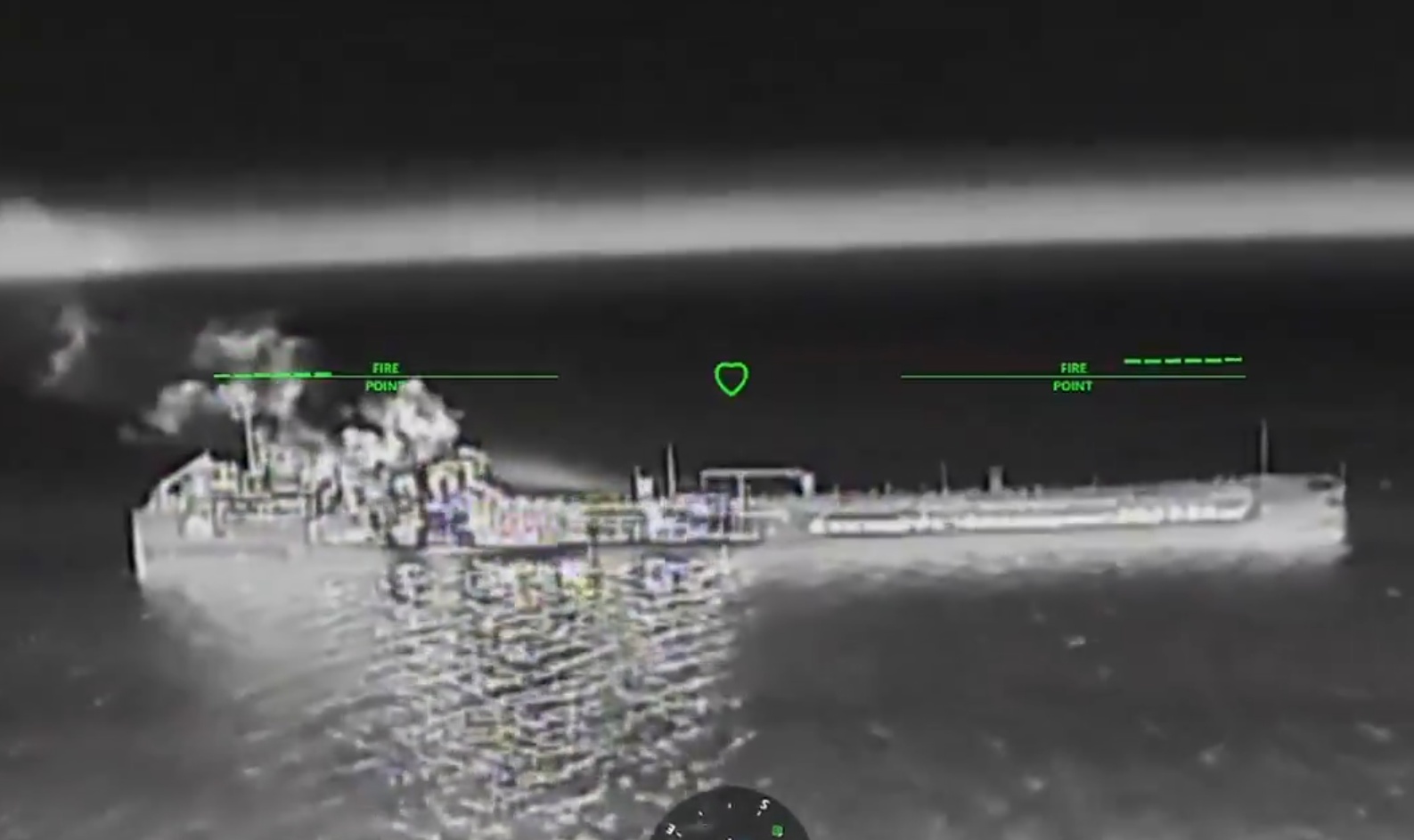
Russia has, for the first time, publicly acknowledged a decline in its oil production this year, attributing the downturn to unscheduled maintenance at several refineries. Deputy Prime Minister Alexander Novak confirmed the decrease during the St Petersburg International Economic Forum, highlighting the impact of ongoing Ukrainian drone attacks on Russian energy infrastructure.
Geopolitical Tensions Impacting Production
The decline in production is primarily due to Ukrainian drone strikes targeting Russian refineries and oil export facilities. These attacks have disrupted operations and forced unscheduled maintenance, affecting Russia's ability to maintain its usual production levels.
"Current production is indeed somewhat lower than it was at the beginning of the year," Novak stated, acknowledging the challenges faced by the Russian oil industry.
Supply Chain Adjustments
Despite the production decline, Russia's crude oil exports through its western ports increased by 15% in May. This rise is a strategic move to compensate for domestic disruptions by boosting international sales. The International Energy Agency (IEA) noted a production fall in April, reflecting the ongoing impact of the attacks.
| Month | Export Increase (%) |
|---|---|
| April | 10 |
| May | 15 |
Demand and Market Reactions
The global oil market is closely monitoring these developments, as disruptions in Russian oil supply could influence global prices. The Organization of the Petroleum Exporting Countries (OPEC) and its allies are also assessing the situation to adjust their production strategies accordingly.
Future Outlook
Looking ahead, the market will be watching for further developments in the geopolitical landscape and any additional disruptions to Russian oil production. Upcoming data releases from the US Energy Information Administration (EIA) and the International Energy Agency (IEA) will provide further insights into global oil supply and demand dynamics.